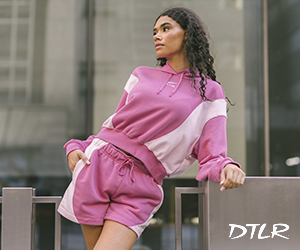
How to Choose the Right Belt to Cinch Your Waist and Elevate Your Outfit
The single most important rule for selecting a waist-cinching belt is this: the belt must sit at your natural waist, not your hips. That tiny shift in placement changes a sloppy silhouette into a polished frame. A belt that hits your true waist (the narrowest part between your ribs and navel) creates an hourglass line that flatters almost every body type. Get this wrong, and even an expensive belt will look like an afterthought.
Why Belt Width Matters More Than You Think
Belt width is not a style preference — it is a structural decision. Too narrow, and the belt disappears, offering no cinching power. Too wide, and it overwhelms your torso, making you look boxy.
Width Ranges and Their Effects
For most women, a belt width between 1.5 inches and 2.5 inches hits the sweet spot. Here is how each width behaves:
- 1 inch or less — decorative only. These belts add a touch of color or texture but do not reshape your silhouette. Best for layering over cardigans or adding a metallic accent to a monochrome dress.
- 1.5 to 2 inches — the workhorse range. Provides noticeable waist definition without restricting movement. Works with jeans, trousers, midi dresses, and blazers. The Madewell The Essential Belt (1.5 inches, $58) is a reliable example in this category.
- 2.5 to 3 inches — high-impact cinching. Creates dramatic waist emphasis. Ideal for structured dresses, high-waisted wide-leg pants, and coat-dresses. The Everlane The Leather Waist Belt (2.5 inches, $68) offers this width without looking costume-like.
- 3 inches or more — advanced territory. Requires a long torso and careful proportion balancing. A 3.5-inch corset belt can look stunning on a sheath dress but will shorten a short-waisted person.
Failure mode to avoid: buying a 0.75-inch belt expecting it to cinch a loose dress. It will not. That width is jewelry, not structure.
Material and Hardware: The Underrated Decision
Leather quality and buckle type determine whether a belt looks like an investment piece or a fast-fashion mistake after three wears.
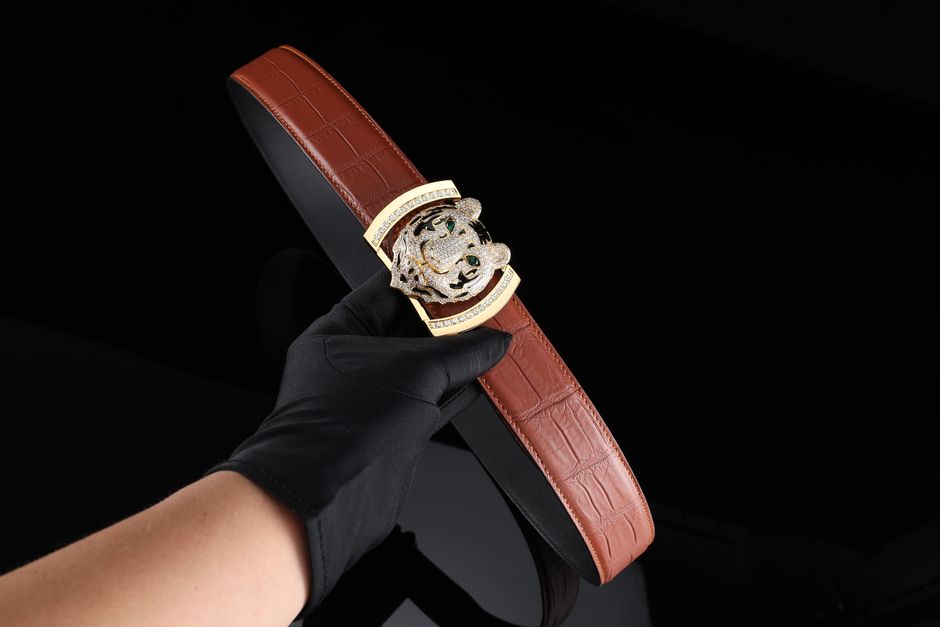
Full-grain leather belts develop a patina over time and hold their shape. The Levi’s Leather Belt with Metal Buckle ($45) uses full-grain leather and a solid brass buckle — it will outlast five seasons of regular wear. Vegan leather belts, like those from ASOS Design (around $22), are lighter and more affordable but may crack at the fold line after one year of daily use.
Buckle size matters for visual balance. A 1-inch wide belt with a 3-inch buckle looks top-heavy. A good rule: buckle width should be roughly equal to belt width. A Gucci GG Marmont belt (1.5 inches, $450) uses a buckle that is exactly 1.5 inches wide — deliberate proportioning.
Metal finish: Silver-toned hardware reads cooler and more modern. Gold-toned reads warmer and more classic. Match your belt hardware to your watch or jewelry for a pulled-together look.
How to Match Belt to Outfit Silhouette
This section answers the question most searchers actually have: “I have this dress/pantsuit — what belt goes with it?”
| Outfit Type | Recommended Belt Width | Best Placement | Example Product |
|---|---|---|---|
| Sheath dress (knee-length) | 1.5 – 2 inches | At natural waist | Madewell The Essential Belt |
| High-waisted wide-leg trousers | 2 – 2.5 inches | At waistband, not below | Everlane The Leather Waist Belt |
| Blazer or long cardigan | 1 – 1.5 inches | Over the garment at waist | Levi’s Leather Belt |
| Maxi dress (loose fit) | 2.5 – 3 inches | Above natural waist, empire line | ASOS Design Wide Waist Belt |
| Button-down shirt (tucked) | 1 – 1.5 inches | Through belt loops | Gucci GG Marmont Belt |
Common mistake: wearing a thin belt over a thick sweater. The belt disappears into the fabric. You need at least 2 inches of width to cinch a chunky knit effectively.
When NOT to Wear a Waist-Cinching Belt
Belts are not universal. There are specific situations where skipping the belt is the smarter fashion choice.
1. You have a short torso. A belt at your natural waist visually truncates your upper body, making legs look shorter. Instead, choose a belt that sits at your high hip (below the waistband) or skip the belt entirely and rely on tailoring.
2. The garment has heavy vertical details. A dress with a strong center seam, vertical pleating, or a long necklace already creates a lengthening line. Adding a belt breaks that line and shortens you.
3. The fabric is too delicate or too stiff. Silk charmeuse will pucker under a tight belt. Heavy wool coating will resist cinching, creating a bulge above and below the belt. Both cases call for a fabric belt (soft leather or ribbon) or no belt at all.
4. You are wearing a jumpsuit with a built-in waist seam. Adding a belt over a jumpsuit that already defines the waist can look over-accessorized and cluttered. Let the garment’s structure speak for itself.
Alternative angle: When you want waist definition but a belt does not work, try a fitted top tucked into a high-waisted bottom. That creates the same hourglass line without a belt.
Three Fit Checks Before You Buy
Most belt sizing guides tell you to measure your waist and add two inches. That advice is too generic. Here are three specific checks:
- The pinch test: Buckle the belt at the middle hole (not the tightest or loosest). You should be able to pinch one inch of belt between your thumb and forefinger at the side. Less than that means the belt is too tight; more means too loose.
- The sit test: Sit down in the belt. If the buckle digs into your stomach or the belt leaves red marks after 10 minutes, it is too small. Belts stretch slightly over time, but leather does not stretch significantly — do not count on it.
- The tuck test: If you plan to wear the belt with a tucked-in shirt, the belt should be thin enough that the shirt does not bulge over the top edge. A 1.5-inch belt is usually the maximum for a clean tuck.
Final verdict: For most women, a 1.5-inch to 2-inch leather belt in a neutral shade (black, brown, or tan) with a matching metal buckle is the single most versatile waist-cinching tool you can own.