Cashmere Vs Merino Wool Warmer Durable Fall: Cashmere vs. Merino Wool: Which is Warmer and More Durable for Fall?
Most people assume cashmere is always the warmer choice. It feels softer, costs more, and has that luxury halo. But the truth is more complicated. Merino wool actually traps heat better ounce-for-ounce in many conditions, and it survives the washing machine without turning into a doll-sized sweater. This guide breaks down the real differences so you can pick the right sweater for your fall wardrobe — without wasting money on something that pills in three wears.
Warmth Showdown: Fiber Structure and Heat Retention
Warmth comes from trapped air, not just thickness. Cashmere fibers are hollow and crimped, which creates tiny air pockets. Merino fibers are finer and more uniform, so they pack tighter. Here’s the raw data:
| Property | Cashmere (Grade A) | Merino Wool (Superfine) |
|---|---|---|
| Fiber diameter | 14–19 microns | 16–20 microns |
| Thermal conductivity | Lower (warmer per gram) | Slightly higher |
| Moisture wicking | Poor — absorbs 30%+ of weight in water | Excellent — wicks sweat away, stays dry |
| Weight for equal warmth | Lighter (needs less material) | Heavier (needs more material) |
In dry, cold air (below 40°F), a 100% cashmere sweater from N.Peal or Johnstons of Elgin will feel warmer than a merino sweater of the same weight. But if you’re active — walking briskly, commuting, or layering under a coat — merino wins. Why? Cashmere traps moisture against your skin. Once damp, its insulation drops sharply. Merino keeps you dry even when you sweat.
When to pick cashmere for warmth
Choose cashmere for sedentary cold: sitting in a drafty office, evening dinners, or car rides. A 2-ply cashmere sweater from Naadam ($195) is noticeably warmer than a standard merino crewneck from Uniqlo ($69.90) at the same thickness.
When merino outperforms
For active fall days (hiking, farmers market shopping, running errands on foot), a 200gsm merino sweater from Icebreaker or Smartwool provides better temperature regulation. You won’t overheat indoors, and you won’t freeze when the wind picks up.
Durability Under Real Wear: Pilling, Stretching, and Washing
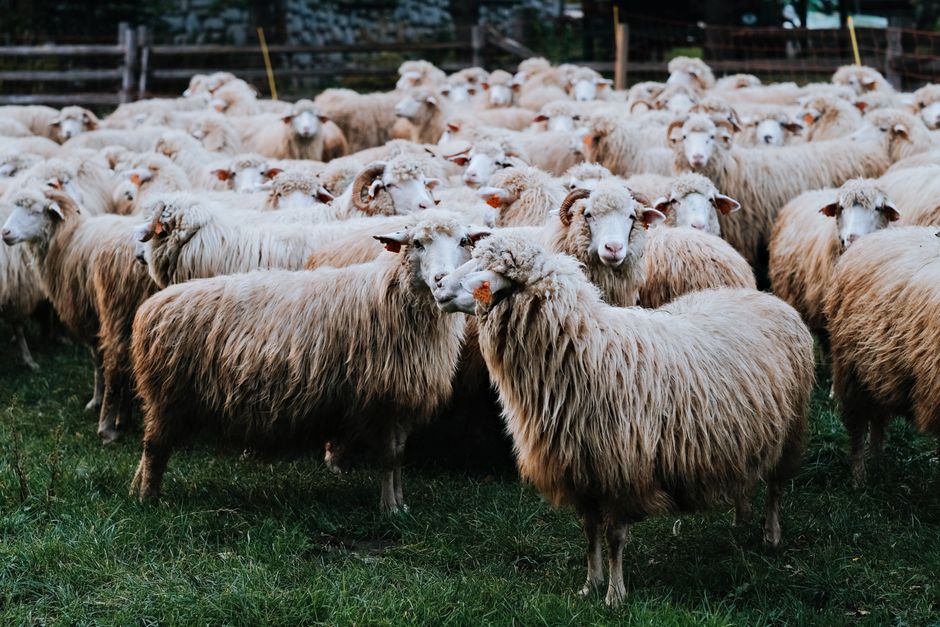
Here’s where the gap widens. Cashmere has a reputation for being delicate — and it’s earned. Short cashmere fibers (under 30mm) pill aggressively. Many affordable brands like Quince or Everlane use shorter fibers to keep prices low, and those sweaters look ragged after three wears.
Merino wool, especially from brands like Ibex or Ridge Merino, uses longer, stronger fibers that resist pilling far better. A mid-weight merino sweater (250gsm) can handle 50+ machine washes on delicate cycle with minimal fuzzing. Cashmere? Hand wash only, lay flat to dry, and even then expect pills by wear 10.
The stretch test
Merino has natural elasticity — it snaps back after stretching. Cashmere sags. Hang a cashmere sweater overnight and the shoulders will droop. Store it folded, not hung. This isn’t a minor detail; it’s the difference between a sweater that looks new for two seasons versus one that looks tired after one.
Washability comparison
- Cashmere: Hand wash cold, mild detergent (Soak or Eucalan), lay flat. Machine spin = disaster.
- Merino: Machine wash cold, gentle cycle, wool-safe detergent (Tide Free & Gentle works). Tumble dry low or lay flat.
If you hate hand washing, merino is the practical choice. If you’re willing to baby your clothes, cashmere rewards you with unmatched softness.
Common Buying Mistakes That Waste Money
Most people buy the wrong sweater because they don’t check the label. Three mistakes kill your investment:
Mistake 1: Buying cheap cashmere
A $60 cashmere sweater from Amazon or H&M uses short, low-grade fibers (often recycled). It pills within two wears and loses shape in a month. You’re better off with a $90 merino sweater from Uniqlo or Banana Republic that lasts three years.
Mistake 2: Ignoring ply count
Cashmere is sold as 1-ply, 2-ply, or 3-ply. Higher ply means more strands twisted together — stronger, less pilling, warmer. A 1-ply cashmere sweater from Nordstrom ($150) will pill faster than a 2-ply from N.Peal ($395). For merino, look for Superfine 150s or 180s — those numbers indicate fiber fineness and quality.
Mistake 3: Assuming all merino is the same
Merino from Patagonia or Smartwool uses mulesing-free, ethically sourced wool with longer fibers. Merino from fast-fashion brands uses shorter, lower-grade fibers that pill just as badly as cheap cashmere. Read the label: if it doesn’t specify “Superfine” or “Australian Merino,” assume low quality.
Alternatives and Tradeoffs: When to Skip Both
Cashmere and merino aren’t the only options. For specific situations, other materials beat both:
- Alpaca wool: Warmer than cashmere, lighter, and more durable. Brands like Armor Lux and Baby Alpaca sell sweaters for $150–$250. Downside: can be itchy for sensitive skin.
- Cotton-cashmere blends: Less pilling, cheaper, but not as warm. Good for mild fall days (60–65°F). Example: J.Crew cotton-cashmere crewneck ($98).
- Synthetic blends (polyester-nylon): Cheap, durable, machine washable. But they don’t breathe and trap odor. Fine for gym wear, not for style.
When NOT to buy cashmere or merino: If you live in a humid climate (southeast US, coastal areas), both materials hold moisture. A linen-cotton blend or lightweight silk sweater will be more comfortable in 70°F humidity.
Verdict: Which One Should You Buy for Fall?
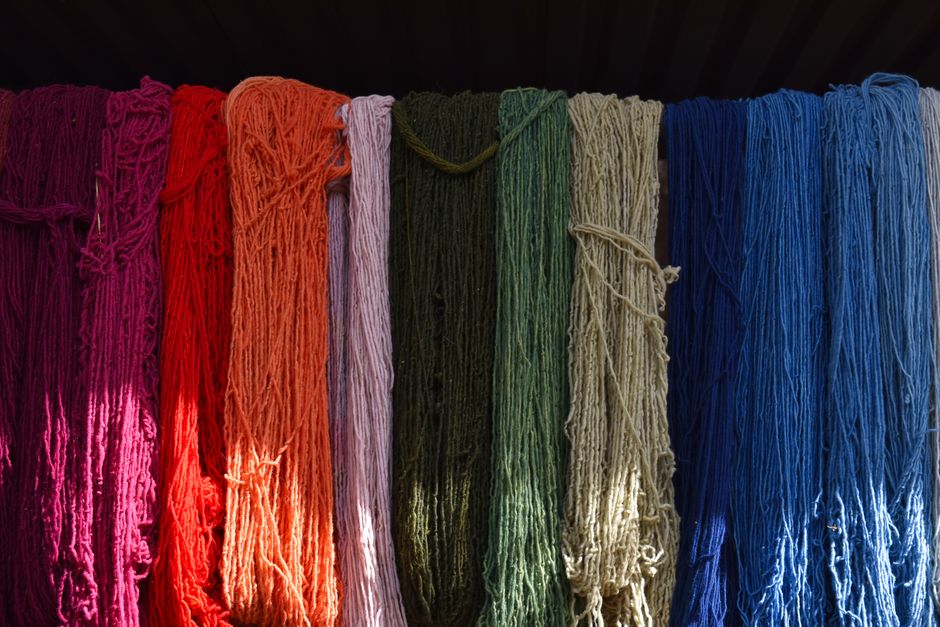
Pick merino wool if: you want a sweater that survives real life — machine washable, resists pilling, stretches and snaps back, works for active days. The Icebreaker Quantum IV ($150) or Smartwool Classic Crew ($110) are excellent choices. They’re not as soft as cashmere out of the box, but they break in after a few wears.
Pick cashmere if: you want unmatched softness, you’re willing to hand wash, and you’re wearing it for dressier occasions — date nights, office meetings, dinner parties. A 2-ply cashmere sweater from Johnstons of Elgin ($295) or Naadam ($195) will feel incredible and last for years with proper care.
Here’s the honest bottom line: for 80% of fall wardrobes, merino wool is the better investment. It’s warmer when you’re active, more durable, easier to care for, and costs less. Cashmere is a luxury indulgence — worth it if you have the budget and patience, but not the practical choice for daily wear. Buy merino for your workhorse sweater, and save cashmere for the one evening a week you want to feel like you’re wrapped in a cloud.