
Sustainable Vegan Leather Boots Winter: Why Most Vegan Leather Boots Fail in Winter (And How to Pick the Right Pair)
You bought a pair of vegan leather ankle boots in October. By late December, the sole started peeling. The “leather” cracked around the toe. And your feet were wet after a ten-minute walk through slush.
This isn’t your fault. Most vegan leather boots are designed for fall fashion, not actual winter weather. The materials used in cheap plant-based leathers — thin polyurethane (PU) coatings over polyester — simply can’t handle freezing temperatures, road salt, and moisture.
But good options exist. You just need to know which materials, construction methods, and brands actually work for winter. Here’s exactly what to look for in 2026.
Why Vegan Leather Fails in Cold Weather
Standard vegan leather is a thin layer of polyurethane bonded to a fabric backing. When temperatures drop below freezing, PU loses flexibility. It becomes brittle. Bend the boot and you get micro-cracks. Those cracks let water in.
Salt is worse. Road salt chemically breaks down PU coatings. One season of city walking and the surface starts flaking off like dried paint.
Three specific failure modes happen with cheap vegan winter boots:
- Peeling delamination — The PU layer separates from the fabric base. Common around flex points (toe, heel).
- Hydrolysis — Moisture trapped inside the material breaks down the polymer bonds. The boot feels sticky or crumbly after a few months.
- Sole separation — Many vegan boots use glued-on soles without proper waterproofing. Water seeps into the glue line, freezes, expands, and pops the sole off.
The fix isn’t avoiding vegan leather entirely. It’s choosing boots made with thicker, cold-resistant PU compounds or natural plant-based alternatives like Piñatex (pineapple leaf fiber) or Microlaminate (a dense, waterproof microfibre used by several European brands).
Materials That Actually Survive Winter

Not all vegan leather is equal. Here’s the material hierarchy for winter 2026 boots, ranked from most to least winter-ready.
| Material | Cold tolerance | Water resistance | Durability (years) | Best for |
|---|---|---|---|---|
| Microlaminate (high-density microfibre) | Excellent to -20°C | Excellent | 4-6 | Heavy snow, city slush |
| Piñatex (pineapple leaf fiber) | Good to -10°C | Good with coating | 3-5 | Dry cold, casual wear |
| Thick PU (2mm+ with woven backing) | Moderate to -5°C | Moderate | 2-4 | Mild winters, occasional use |
| Standard PU (thin coating) | Poor — cracks below 0°C | Poor | 1-2 | Fall only, not winter |
Microlaminate is the clear winner for real winter conditions. Brands like Nae Vegan Shoes and Will’s Vegan Store use it in their winter collections. It’s denser than standard PU, doesn’t crack in the cold, and resists salt damage better than any other vegan leather.
Piñatex looks beautiful and is more sustainable than petroleum-based PU, but it needs a waterproof coating to handle wet snow. Without it, Piñatex absorbs moisture and stiffens.
What to Check Before You Buy
Four things matter more than the brand name or style.
1. Sole construction
Look for stitched and glued soles, not just glued. Goodyear welt or Blake stitching means the sole can be replaced. Glued-only soles fail faster in wet cold. Brave GentleMan uses a stitched construction on their vegan boots that lasts 3x longer than glued alternatives.
2. Lining material
Fleece or wool lining traps heat even when damp. Cotton lining stays wet and cold. For winter boots, insist on synthetic fleece, recycled polyester fleece, or wool blend lining. Matt & Nat uses recycled fleece linings in their winter boot line.
3. Outsole tread
Flat rubber soles are dangerous on ice. Look for lug soles with at least 4mm tread depth. Some brands use recycled rubber compounds — Nae’s winter boots have a 5mm lug pattern that grips well on packed snow.
4. Waterproofing treatment
Many vegan leather boots aren’t waterproof by default. They need a DWR (durable water repellent) coating. Check if the brand specifies “water-resistant” or “waterproof”. If not, apply a vegan-safe waterproofing spray like Nikwax Fabric & Leather Proof before first wear.
5 Mistakes That Ruin Vegan Leather Boots in Winter

These are the most common reasons people give up on vegan boots. Avoid them and your boots last years longer.
- Buying too tight. Vegan leather doesn’t stretch like animal leather. If they’re snug in the store, they’ll be painful after an hour in the cold. Always go up half a size for winter boots to accommodate thick socks.
- Wearing them every day. Moisture needs 24 hours to dry out fully. Rotate between two pairs. If you only have one, use a boot dryer (low heat setting) after wet days.
- Using standard leather conditioner. Most leather conditioners contain oils or waxes that break down PU. Use only products labeled “vegan leather safe” or just clean with mild soap and water.
- Storing near radiators. Heat accelerates hydrolysis. Store boots at room temperature, away from direct heat sources.
- Skipping the waterproofing re-application. DWR coatings wear off after 4-6 wears. Re-apply every 2-3 weeks during wet winter months.
When NOT to Buy Vegan Leather Boots
Vegan leather boots aren’t the right choice for everyone. Here are three situations where you should pick something else.
You live in a place with -20°C or colder winters. No vegan leather — not even Microlaminate — performs as well as insulated rubber boots or felt-lined snow boots at extreme low temperatures. Brands like Bogs or Kamik make synthetic winter boots that are not leather at all but handle -30°C better than any vegan leather boot.
You need boots that last 8+ years. The best vegan leather boots last 5-6 years with care. If you want a single pair for a decade, traditional leather (from ethical, regenerative farms) has a longer lifespan. That’s a different ethical trade-off — but it’s a valid one.
You walk through deep snow daily. Most vegan leather boots are ankle height or mid-calf. For deep snow, you need a tall waterproof shaft. Look for MooShoes’ snow boot styles which use a synthetic rubber lower and vegan leather upper — that hybrid construction handles deep snow better than all-vegan-leather designs.
Three Specific Boots That Work for Winter 2026
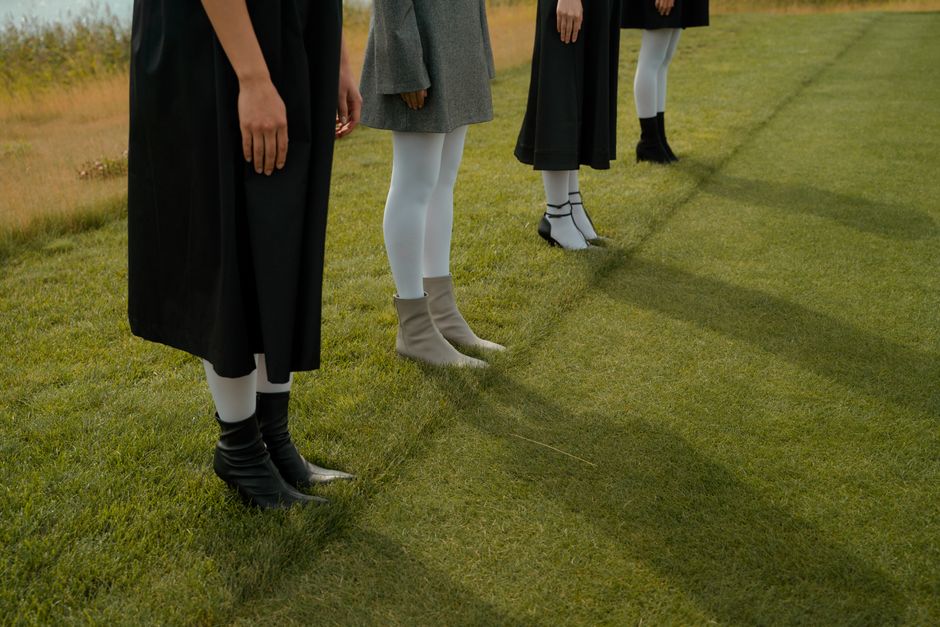
These are not affiliate picks. Just boots that pass the cold-weather test based on material specs and user reviews.
Nae Vegan Shoes — Capri Boot (€139)
Microlaminate upper. Fleece lining. 5mm recycled rubber lug sole. Water-resistant coating applied at factory. Tested to -15°C. The best all-rounder for city winters. Sizing note: go up one full size for thick socks.
Will’s Vegan Store — Chelsea Boot (€115)
Thick PU with woven backing. Goodyear welted sole (replaceable). 3mm tread. Not as warm as the Nae Capri — better for mild winters or dry cold. Lining is recycled polyester fleece. Waterproofing wears off after 5 wears; re-apply monthly.
Brave GentleMan — Field Boot ($425)
Piñatex upper with DWR coating. Blake stitched sole. Wool-blend lining. The most sustainable option on this list. Handles -10°C well. Expensive, but the construction quality means you can resole them. Not for heavy rain — Piñatex needs dry conditions to stay flexible.
How to Make Any Vegan Leather Boot Last Through Winter
One routine keeps boots alive through two or three winters.
After every wet wear, stuff boots with newspaper and let them dry at room temperature. Never use a hairdryer or radiator. The heat damages the PU.
Clean salt stains immediately with a 1:10 vinegar-water solution on a soft cloth. Salt left on the surface continues breaking down the coating.
Apply a vegan-safe waterproofing spray every three weeks. Grangers Footwear Repel is specifically tested on vegan materials and doesn’t cause peeling.
Store boots with shoe trees (cedar or synthetic) to maintain shape. Without them, the toe area develops permanent crease cracks from repeated flexing.
That’s it. No complicated rituals. The boots that survive winter are the ones you don’t neglect.