Essential Knit Sweaters 2026: 10 Essential Knit Sweaters: The 2026 Capsule Wardrobe Edit
Most women own too many sweaters and still feel like they have nothing to wear. That’s because the average closet is stuffed with impulse buys — a scratchy acrylic turtleneck from a fast-fashion sale, a too-short cropped knit that gaps at the waist, three almost-identical grey crewnecks. The fix isn’t more sweaters. It’s the right ten.
Why a 10-sweater capsule works better than a 30-sweater mess
A functional knit wardrobe for 2026 means every piece earns its hanger space. You need sweaters that layer cleanly under a wool coat, hold their shape after ten wears, and pair with at least three different bottoms. That eliminates most of what’s sold on the high street right now.
The problem with cheap knits is the yarn. A $40 sweater made from 100% acrylic pills in three washes, loses its hem elasticity, and traps sweat odors that won’t wash out. The cost per wear on that $40 sweater is actually higher than a $200 cashmere piece that lasts five years.
Here’s the rule: fibre content determines lifespan. Look for at least 50% natural fibre — merino wool, cashmere, cotton, or alpaca. The other 50% can be nylon or viscose for stretch and durability. Pure synthetics are a no-go for anything you plan to keep past one season.
The math on cost per wear
A $180 merino crewneck worn 40 times per year for three years = $1.50 per wear. A $45 acrylic sweater worn 8 times before it pills and gets donated = $5.63 per wear. The expensive option is actually cheaper.
The 2026 silhouette shift
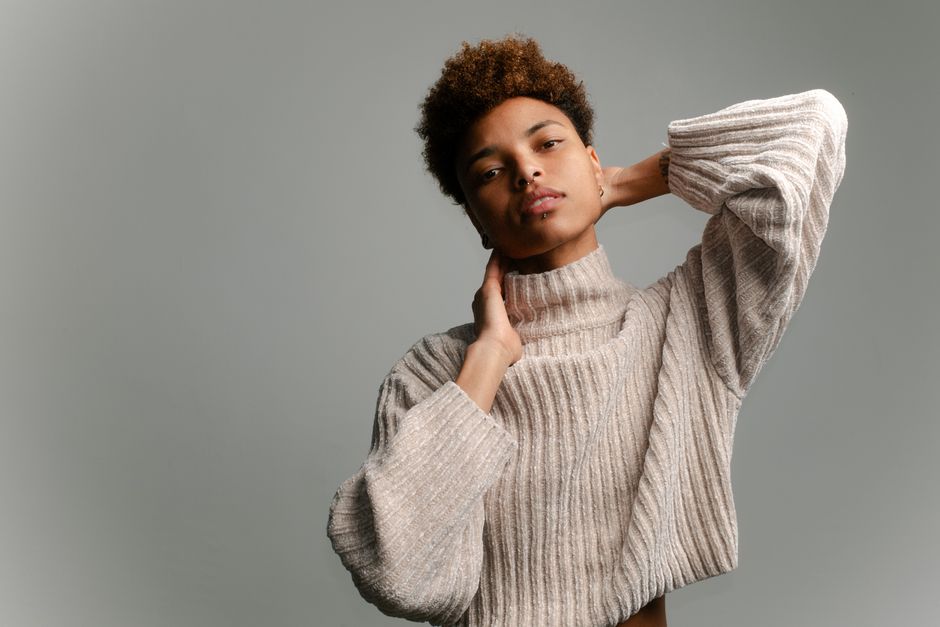
Forget the oversized potato sack. The new shape is a relaxed but defined shoulder — not tight, not drowning. Sleeves should end at your wrist bone, not past your knuckles. Hem sits at the high hip, not the crotch. This works under blazers, over slip dresses, and tucked into high-waist trousers.
The 10 sweaters, ranked by versatility

| Sweater Type | Best Fibre | Price Range (USD) | Versatility Score | Key Feature |
|---|---|---|---|---|
| Fine-gauge cashmere crewneck | 100% cashmere (Grade A) | $150–$300 | 10/10 | Layers under everything |
| Merino wool turtleneck | 100% merino | $100–$200 | 9/10 | Warm without bulk |
| Cotton cable-knit crew | 100% pima cotton | $80–$150 | 9/10 | Machine-washable workhorse |
| Chunky wool cardigan | Wool-alpaca blend | $120–$250 | 8/10 | Replaces a jacket in fall |
| Fine-knit V-neck | Merino-cashmere blend | $90–$180 | 8/10 | Office-appropriate layering |
| Mohair-blend open cardigan | Mohair-silk-nylon | $110–$220 | 7/10 | Texture piece for outfits |
| Ribbed mock-neck | Cotton-nylon blend | $60–$120 | 7/10 | Fitted base layer |
| Oversized fisherman sweater | 100% wool | $130–$250 | 6/10 | Weekend/cabin wear |
| Cropped boxy knit | Cotton-linen blend | $70–$130 | 6/10 | High-waist jean pairing |
| Lightweight cashmere wrap | 100% cashmere | $200–$400 | 5/10 | Evening/event piece |
3 mistakes that ruin a knit sweater wardrobe
Mistake 1: Buying the wrong gauge for your climate. A chunky Aran knit in a heated office or a mild winter means you’ll never wear it. Match gauge to your actual environment, not your aspirational one. If you live in a place where winter averages 40°F (4°C), fine-gauge merino with a silk base layer is warmer and more wearable than one thick fisherman sweater.
Mistake 2: Ignoring shoulder fit. The shoulder seam should sit exactly at the edge of your shoulder bone. If it falls off the shoulder, the sweater pulls across the chest and gaps at the neck. If it digs in, you’ll feel restricted all day. This is the single most important measurement for a knit.
Mistake 3: Over-dry cleaning. Dry cleaning chemicals break down natural fibres over time. Hand-wash cashmere and merino in cold water with a wool-specific detergent like Eucalan or Soak. Lay flat to dry. A good cashmere sweater should be washed 2-3 times per season, not after every wear.
When to skip a sweater and buy something else

A knit sweater is not the right answer for every cold-weather situation. Here are three cases where you should pick a different layer.
High-intensity outdoor activity. Hiking, skiing, or shoveling snow creates sweat that saturates wool and makes you cold. A synthetic mid-layer like the Patagonia R1 fleece ($139) wicks moisture and dries faster. Save the cashmere for après.
Rainy climates. Wool absorbs water and gets heavy. A merino blend can handle light drizzle, but for persistent rain, a waterproof shell over a fleece or a technical merino base layer (like the Icebreaker 200 Oasis) performs better.
Very formal dress codes. A fine-gauge turtleneck under a blazer works for business casual, but a suit demands a woven shirt. Knits read as relaxed, even the nicest ones. For client-facing corporate environments, keep a crisp cotton button-down as your base.
How to build your 10-sweater wardrobe in order of priority
Start with the pieces that do the most work. Buy in this sequence and stop when you hit ten.
First three: Fine-gauge cashmere crewneck (navy or black), merino turtleneck (heather grey), cotton cable-knit crew (cream or oatmeal). These three cover 80% of your layering needs.
Next three: Chunky wool cardigan (camel), fine-knit V-neck (burgundy or forest green), ribbed mock-neck (white). These add texture and colour without sacrificing function.
Last four: Mohair-blend open cardigan (dusty pink or lavender), oversized fisherman sweater (natural wool), cropped boxy knit (mustard or rust), lightweight cashmere wrap (charcoal or blush). These are the personality pieces that make outfits feel intentional.
Stick to a palette of 3-4 neutrals plus 2-3 accent colours. Every sweater should mix with at least four others in your closet. If a sweater only works with one pair of jeans, it’s not essential.
For most women, the fine-gauge cashmere crewneck is the single highest-ROI purchase. Spend your budget there first. A Naadam or Everlane version in the $150-$200 range will outlast anything from Zara or H&M by years. Buy that one piece, wear it ten times, and then decide if you need the other nine.