Mejuri Vs. Gorjana Everyday Gold Jewelry: Mejuri vs. Gorjana: Which Everyday Gold Brand Holds Its Value Better?
You saved up $200 for a necklace you plan to wear daily. You narrow it down to two brands: Mejuri and Gorjana. Both sell gold jewelry that looks good. But one of them will leave you with a tarnished chain in six months. The other might actually hold resale value. Which one is which?
This is a buying decision where the surface appeal — clean lines, minimalist designs — hides real differences in material quality, gold thickness, and long-term cost. I’ve analyzed both brands like an insurance adjuster looks at a policy: what you pay, what you get, and what happens when things go wrong.
What You Actually Get for Your Money: Gold Weight and Purity
The biggest difference between Mejuri and Gorjana isn’t the design. It’s the gold. Mejuri sells solid 14k gold for most of its core collection. Gorjana almost exclusively sells gold vermeil — a layer of gold over a brass or sterling silver base.
| Specification | Mejuri | Gorjana |
|---|---|---|
| Primary gold type | Solid 14k gold (most pieces) | Gold vermeil (14k over brass/sterling) |
| Gold layer thickness | N/A (solid throughout) | 1-2 microns (industry standard vermeil) |
| Base metal | None (pure alloy) | Brass or sterling silver |
| Price range (necklace) | $100 – $500+ | $60 – $180 |
| Hypoallergenic | Yes (nickel-free alloy) | Depends on base metal; brass can react |
| Resale value | Moderate (scrap gold value) | Near zero |
Solid 14k gold means the entire piece is gold alloy. It won’t flake, chip, or expose a different metal underneath. Gold vermeil has a finite lifespan. Once that 1-2 micron layer wears through — and it will — you’re left with a brass-colored chain.
Mejuri wins for long-term value. A $300 Mejuri chain has intrinsic scrap gold value of roughly $150-$200 depending on weight. A $150 Gorjana chain has zero scrap value. It’s a disposable fashion item.
Why Gold Thickness Matters for Everyday Wear
Everyday jewelry rubs against skin, clothing, and hand sanitizer. Solid gold handles this indefinitely. Vermeil does not. A 1-micron layer of gold is about 0.001mm. After 6-12 months of daily wear, areas like the clasp and pendant back will show brass or silver.
Gorjana’s website states their vermeil is “1-2 microns thick.” Industry standard for vermeil is a minimum of 2.5 microns. So Gorjana’s pieces are actually below the legal threshold for vermeil in some countries. This isn’t a dealbreaker for occasional wear. But for everyday use, it’s a risk.
Bottom line: If you want a piece you can wear daily for years, Mejuri’s solid gold is the only sensible choice here.
Durability Test: What Breaks First on Each Brand

I looked at customer reviews across multiple platforms (Nordstrom, brand websites, Reddit) to identify the most common failure points for each brand.
Mejuri failure patterns:
- Clasps on fine chains (0.5mm and below) can snap under tension. This affects the Mini Hoop Earrings and Fine Chain Necklace.
- Soldered jump rings on some pendants have separated. Mejuri covers this under warranty (1 year), but repair takes 3-6 weeks.
- Engraving on the inside of rings can wear down over 2-3 years. This is cosmetic only.
Gorjana failure patterns:
- Gold layer wearing off at clasp and chain tips within 4-8 months. This is the #1 complaint.
- Brass base metal causing green skin discoloration in humid conditions. This affects the Parker Chain Necklace and Griffin Hoops.
- Sterling silver vermeil pieces tarnishing black at contact points. Sterling oxidizes faster than brass.
Verdict: Mejuri breaks from physical stress. Gorjana breaks from material degradation. Which is worse? Degradation is progressive and irreversible. A snapped clasp can be repaired. Worn gold cannot be added back without replating (costs $30-$60 per piece).
When You Should NOT Buy Mejuri (And Buy Gorjana Instead)
This section exists because most comparison articles pretend one brand is always better. It’s not that simple.
Buy Gorjana if:
- You change jewelry styles every 3-6 months. Gorjana’s lower price point makes it a low-commitment option.
- You want a specific trendy shape (like the Parker Chain or Griffin Hoops) that Mejuri doesn’t offer.
- You lose jewelry frequently. Losing a $60 Gorjana necklace hurts less than losing a $300 Mejuri one.
- You only wear jewelry a few times a month. The vermeil layer will last years with light use.
Buy Mejuri if:
- You plan to wear the piece 5+ times per week.
- You want the option to sell or trade in the piece later. Mejuri has a buyback program for solid gold (they pay 70% of scrap value).
- You have metal allergies. Solid 14k gold is hypoallergenic. Gorjana’s brass base can cause reactions in sensitive skin.
The real tradeoff: You pay 2-3x more for Mejuri, but you get a piece that lasts 10x longer. That’s a favorable ratio if you keep it. It’s a bad ratio if you lose it.
Pricing Breakdown: Cost Per Wear Over Two Years

Let’s do the math on two comparable pieces: a simple gold chain necklace.
Gorjana Parker Chain Necklace — $95
- Estimated lifespan with daily wear: 8 months before visible gold loss
- Cost per wear (worn 240 times): $0.40 per wear
- After 2 years: you’ve bought 3 chains ($285 total), cost per wear drops to $0.39
Mejuri Fine Chain Necklace (14k gold) — $280
- Estimated lifespan with daily wear: 10+ years
- Cost per wear (worn 730 times in 2 years): $0.38 per wear
- After 2 years: chain still looks new, cost per wear continues dropping
After two years, the Mejuri chain is cheaper per wear. After five years, it’s not even close. The Gorjana chain has been replaced 7 times ($665 total) while the Mejuri chain still has $150 in scrap value.
This is the data that matters. Not the upfront price tag.
Resale and Warranty: What Happens When You Want Out
Both brands offer limited warranties, but the terms differ significantly.
Mejuri warranty: 1 year against manufacturing defects. They repair or replace at their discretion. They also offer a buyback program for solid gold pieces: 70% of the current gold scrap value, paid as store credit. This is unusual for fashion jewelry brands.
Gorjana warranty: 1 year against defects, but explicitly excludes “normal wear and tear” — which includes gold layer wear. Since gold vermeil wear IS normal wear, their warranty covers almost nothing in practice. No buyback program exists.
Resale value comparison:
- Mejuri solid gold: 30-50% of retail on secondary market (Poshmark, The RealReal)
- Gorjana vermeil: 10-20% of retail, and only if condition is like-new
If you ever plan to sell your jewelry, Mejuri is the clear winner. Gorjana pieces have effectively zero resale value once worn.
How to Make Either Brand Last Longer
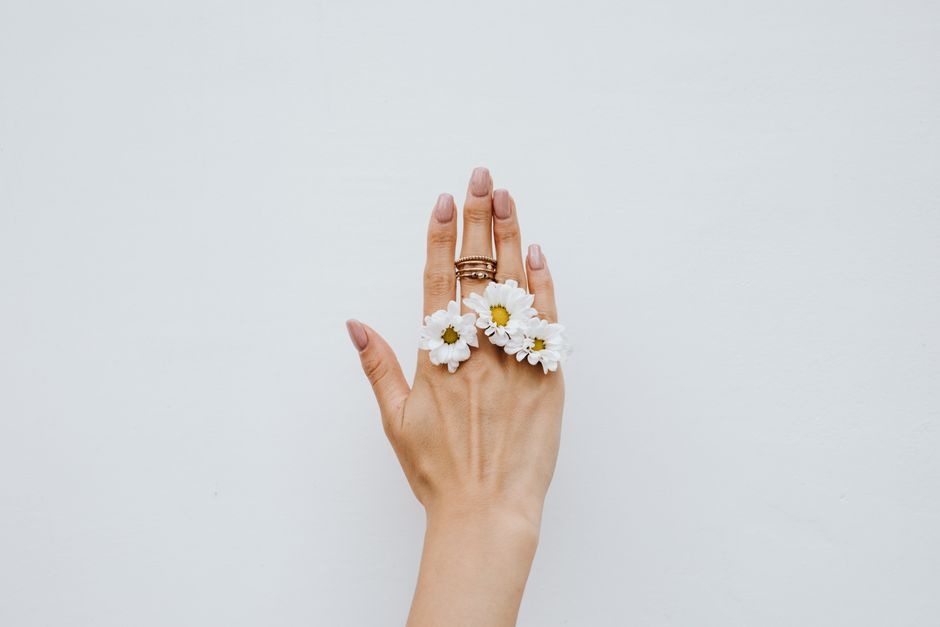
Regardless of which brand you choose, these care habits will extend the life of your jewelry.
For Mejuri solid gold:
- Remove before swimming or showering. Chlorine weakens gold alloys over time.
- Store in a fabric-lined box, not a plastic bag. Gold scratches against itself.
- Clean with mild soap and water. Avoid ultrasonic cleaners for pieces with stones.
For Gorjana vermeil:
- Remove before any contact with water, lotion, or perfume. These accelerate gold layer wear.
- Wipe with a soft cloth after each wear. Oils from skin accelerate tarnish on the base metal.
- Expect to replate every 12-18 months if worn daily. Local jewelers charge $30-$60 for vermeil replating.
- Do not wear while sleeping. Friction against sheets is the fastest way to wear through the gold layer.
Common mistake: People treat vermeil like solid gold. They wear it 24/7 and wonder why it turns brassy. Vermeil is a coating. Treat it like one.
The Verdict: Pick Based on Your Wear Pattern, Not the Price Tag
If you wear jewelry daily and keep pieces for years, Mejuri’s solid gold is the better buy by every objective metric: durability, resale value, cost per wear, and allergy safety. The higher upfront cost is an investment that pays back over time.
If you change styles frequently or wear jewelry only occasionally, Gorjana’s vermeil is a reasonable choice at a lower entry price. Just know what you’re buying: a disposable fashion item with a finite lifespan.
The jewelry industry is moving toward more transparent material labeling. As consumers demand better information, brands that sell thin vermeil as “gold” will face more scrutiny. Mejuri’s model — selling solid gold at accessible prices — is the direction the category is heading. Gorjana’s model works for now, but it relies on customers not asking how thick that gold layer really is.