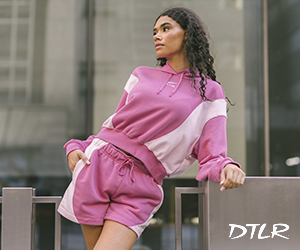
5 Beauty Trends
Did you know that the average consumer is exposed to over 5,000 marketing messages daily, a significant portion of which now comes from the beauty industry? This saturation makes navigating the constant influx of new products and ‘must-have’ looks feel like a full-time job. Understanding what’s genuinely transformative versus fleeting hype demands a deeper look. This guide explores five significant beauty trends, dissecting their claims, benefits, and potential drawbacks, all to help you make more informed choices for your routine.
The Rise of “Skinimalism” and Elevated Basics
In a world overflowing with 12-step routines and product layering, a counter-movement has steadily gained traction: skinimalism. This philosophy isn’t just about using fewer products; it’s about making each product count. Think quality over quantity, efficiency over excess. The core idea is to embrace your natural skin texture and tone, using minimal makeup to enhance rather than conceal.
The shift comes from a desire for authenticity and a pushback against the ‘perfect skin’ illusion often perpetuated on social media. Consumers are growing tired of complex routines that promise miracles but deliver confusion and irritation. Skinimalism encourages a focus on foundational skincare – cleansing, moisturizing, and sun protection – combined with lightweight, multi-tasking makeup that lets your skin breathe.
What Defines True Skinimalism?
True skinimalism isn’t about neglecting your skin; it’s about strategic care. It emphasizes healthy skin as the canvas, rather than a heavy mask of products. This means prioritizing ingredients that support skin barrier function, hydration, and protection. For makeup, it translates to light-to-medium coverage formulas that offer a ‘your skin, but better’ finish. Products often feature skincare benefits infused directly into their cosmetic formulas, blurring the lines between treatment and tint.
Products Pioneering the Barely-There Look
Several brands have championed this minimalist approach with products designed for an effortless, natural glow. The Ilia Super Serum Skin Tint SPF 40, for example, is a popular choice, retailing around $48. It combines mineral SPF, light coverage, and active skincare ingredients like hyaluronic acid and niacinamide. Another contender is the Glossier Stretch Fluid Foundation, priced at about $34, known for its flexible coverage that moves with your skin, avoiding a cakey finish. Similarly, the Saie Slip Tint Radiant Finish SPF 35, at approximately $36, offers a dewy look with sun protection. These products represent the trend’s emphasis on multi-functionality and a natural aesthetic.
Beyond Makeup: Simplifying Skincare
Beyond makeup, skinimalism extends to your skincare regimen. Instead of chasing every new serum, consider focusing on a few proven ingredients that address your primary concerns. A generic tip: identify your top 2-3 skin issues, then select products with active ingredients specifically targeting those. For instance, if you struggle with acne and hyperpigmentation, a routine might include a gentle cleanser, a salicylic acid treatment, a vitamin C serum, and a moisturizer with SPF. Cutting out redundant steps can reduce product overload, potential irritation, and save both time and money.
Hyper-Personalization: Customizing Your Routine
Gone are the days of one-size-fits-all beauty. The hyper-personalization trend leverages technology and data to create products and routines uniquely tailored to an individual’s specific needs. This can range from AI-driven skin analysis to bespoke formulations based on DNA or environmental factors. It’s an exciting prospect, promising optimal results by removing the guesswork from product selection.
The Role of AI in Product Matching
Artificial intelligence plays a pivotal role in this trend. Many brands now offer online quizzes or even facial scanning tools that analyze skin type, concerns, lifestyle, and environmental factors. AI algorithms then recommend specific products or even custom-blend formulas. This technology aims to cut through the noise, providing a curated list of solutions that theoretically should work better than generic offerings.
Brands Offering Tailored Solutions
- Proven Skincare: This brand creates personalized 3-step skincare systems (cleanser, day moisturizer with SPF, night cream) based on a detailed questionnaire about your skin, lifestyle, and local environment. A typical 3-piece system costs around $189. Their database analyzes over 20 million testimonials and 100,000 ingredients to formulate unique products.
- Function of Beauty: Primarily known for hair care, Function of Beauty also offers personalized body and skin care. You select your hair type, concerns (e.g., volume, anti-frizz), and desired fragrance. A shampoo and conditioner set usually costs around $29.99 for two 8oz bottles. For skincare, you choose your skin type and goals, and they blend a customized serum, cleanser, or moisturizer.
- Curology: Focusing on prescription-strength skincare for acne, anti-aging, and hyperpigmentation, Curology offers custom-blended formulas. You submit photos and answer questions, then a licensed dermatology provider prescribes a unique cream. A monthly custom formula typically costs about $29.95, plus shipping.
DIY Personalization: Listening to Your Skin
While tech-driven personalization is fascinating, you can also practice a form of DIY personalization. A generic tip: start by understanding your skin’s immediate reactions. Introduce new products one at a time, performing a patch test on a small area (like behind your ear or on your inner forearm) for a few days to check for adverse reactions before applying it all over your face. Pay close attention to how your skin feels and looks after a week or two. Are you seeing improvements? Any irritation? This careful observation and gradual introduction can prevent wasted money and skin discomfort.
The “Clean Beauty” Debate: More Than Just Marketing?
Clean beauty has dominated discussions for years, promising products free from harmful chemicals, often emphasizing natural or organic ingredients. But the term itself is murky, sparking considerable debate. It’s a powerful marketing tool, yet its scientific basis and true impact are often misunderstood.
What Exactly Does ‘Clean’ Mean in Beauty?
The core issue with ‘clean beauty’ is its lack of a universal, legally binding definition. Unlike terms like ‘organic’ or ‘SPF,’ which have regulatory standards in some regions, ‘clean’ is largely self-regulated by brands and retailers. Generally, it refers to products formulated without ingredients considered controversial or potentially harmful, such as parabens, phthalates, sulfates, and synthetic fragrances. However, the list of ‘banned’ ingredients varies wildly from one brand or retailer to another, leading to consumer confusion and a lack of consistent standards.
Are ‘Clean’ Products Always Better or Safer?
Not necessarily. While the intention behind avoiding certain ingredients is good, the narrative can sometimes be fear-mongering. Many commonly avoided ingredients have been deemed safe by regulatory bodies in small, cosmetic-appropriate amounts. Conversely, ‘natural’ ingredients aren’t always benign; essential oils, for instance, can be potent allergens for some individuals. The ‘natural equals safe’ fallacy is a significant trade-off in the clean beauty movement. The focus should arguably be on well-researched, stable formulations that deliver efficacy and are free from known irritants for *your* skin, regardless of whether they fit a ‘clean’ label.
How Can Consumers Make Informed Choices?
Navigating the clean beauty landscape requires a critical eye. To make informed choices, prioritize transparency. Look for brands that disclose all ingredients and explain their sourcing. Research specific ingredients that concern you using reputable scientific sources, not just blog posts or social media claims. Also, consider certifications from independent bodies if they exist for specific claims (e.g., COSMOS Organic for organic products), but understand these are still niche. Focus on what works for your skin, and don’t be swayed solely by marketing labels that lack concrete definitions.
The Comeback of Bold Color and Expressive Makeup
After years dominated by minimalist aesthetics and muted palettes, a clear shift is underway: bold color is back in a big way. This isn’t just a subtle pop; we’re seeing vibrant blues, electric purples, and striking greens reclaim their place in eye makeup, alongside intense blush and rich lip hues. It’s a refreshing embrace of self-expression and playfulness, a stark contrast to the ‘no-makeup makeup’ that held sway for so long.
Why Now for Vibrant Hues?
This resurgence stems from several factors. Social media platforms, particularly TikTok and Instagram, have become arenas for creative makeup artists and enthusiasts to showcase daring looks, inspiring wider adoption. There’s also a collective desire for joy and escapism, with makeup acting as an accessible form of artistry. People are feeling more confident to experiment and use their faces as canvases, moving beyond traditional beauty norms to explore individual style.
Key Products for a Pop of Color
To dip into this trend, you don’t need a full artistic palette. Strategic use of specific products can make a significant impact:
- Fenty Beauty Killawatt Freestyle Highlighter: While technically a highlighter, shades like ‘Trophy Wife’ ($38) offer a golden, almost green shift that can be used on eyes for an unexpected, bold gleam. Rihanna’s brand has always pushed boundaries, and these highlighters double as vibrant eyeshadows.
- Rare Beauty Soft Pinch Liquid Blush: In shades like ‘Joy’ (a dewy peach) or ‘Grateful’ (a true red), these liquid blushes ($23) deliver an intense pigment that can be built up for a dramatic flush or diffused for a softer, yet still impactful, pop of color on the cheeks.
- Urban Decay 24/7 Glide-On Eye Pencil: These eyeliners ($25) are famous for their creamy application and incredible staying power. With a vast spectrum of vibrant colors—think ‘Electric’ (a bright blue) or ‘Psych’ (a deep purple shimmer)—they’re perfect for creating a sharp graphic liner or smudged for a smoky, colorful effect.
A Quick Tip for Integrating Bold Shades
If you’re new to vibrant colors, a generic tip: start small. Pick one feature to highlight with color, rather than trying a full rainbow look at once. A brightly colored eyeliner on the upper lash line, a pop of intense blush, or a bold lipstick can completely transform your look without feeling overwhelming. This focused approach allows you to experiment and build confidence.
Inside-Out Beauty: The Rise of Nutricosmetics
Nutricosmetics, beauty supplements ingested for skin, hair, and nail benefits, continue their upward trajectory. From collagen peptides to hyaluronic acid pills, the market suggests that true beauty starts from within. While enticing, it’s crucial to understand these products act as a complement, not a standalone solution, to a healthy lifestyle and topical regimen. Scientific evidence for many claims remains emerging, and results can vary wildly between individuals. Approach with a healthy dose of skepticism and consider them an addition, not a replacement, for fundamental skincare and nutrition.
Navigating Modern Beauty: A Comparison Summary
The beauty landscape is complex, constantly evolving with new ideas and innovations. Understanding the nuances of each trend allows for more thoughtful consumption and better-tailored routines. Here’s a quick overview of the trends we’ve explored:
| Trend | Core Idea | Potential Benefits | Considerations / Trade-offs |
|---|---|---|---|
| Skinimalism | Less is more; embrace natural skin. | Reduced routine time, less product waste, healthier skin barrier, authenticity. | May not address severe concerns, initial discomfort with less coverage. |
| Hyper-Personalization | Tailored products/routines for individuals. | Potentially optimal results, reduced trial-and-error, targeted solutions. | Higher cost, reliance on data/AI accuracy, limited accessibility for some. |
| Clean Beauty | Products free from “harmful” ingredients. | Addresses consumer concerns, promotes ingredient awareness. | Lack of standardized definition, ‘greenwashing,’ natural doesn’t always mean safe. |
| Bold Color Makeup | Vibrant, expressive, artistic makeup. | Boosts creativity, self-expression, joyful experimentation. | Can be intimidating, requires practice, may not suit all occasions. |
| Nutricosmetics | Supplements for internal beauty benefits. | May support skin/hair/nail health from within. | Variable efficacy, often costly, not a replacement for good diet/skincare, limited regulation. |