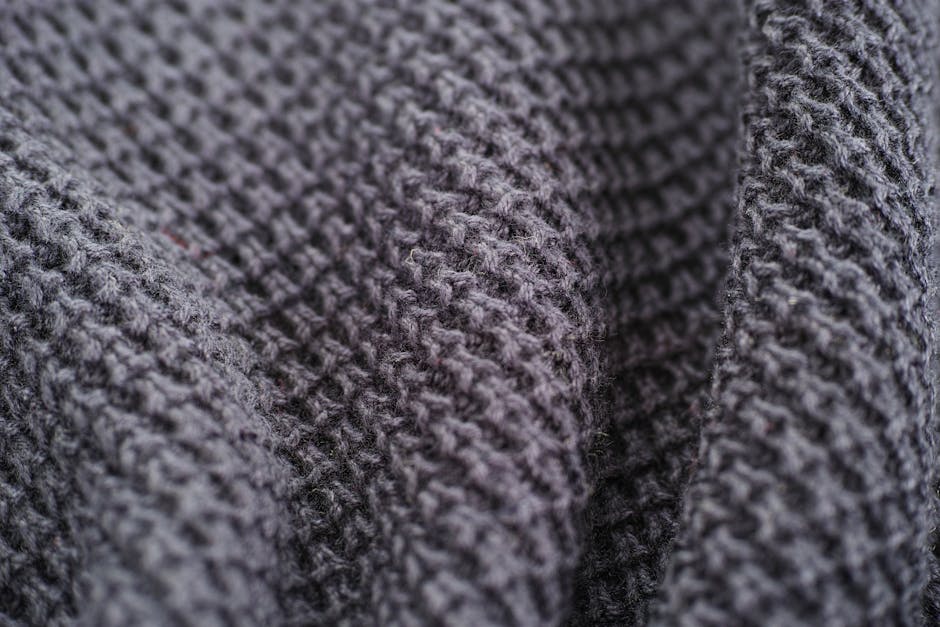
Best Sweater Comb for Pilling: Manual vs. Electric vs. Pumice
Most people stop wearing a sweater because of pilling long before the fabric itself gives out. The sweater isn’t ruined — it just looks that way. A sweater comb removes those fiber clusters in about two minutes, and the right one for your fiber type can restore a pilled-out knit to something close to new.
The category is messier than it looks. “Sweater comb” gets used interchangeably with fabric shaver, defuzzer, lint shaver, and sweater stone — and these tools work through completely different physical mechanisms. The wrong one on the wrong fabric is how you thin a cashmere sweater in a single session.
Here’s what actually works, what it works on, and which specific tools are worth buying.
Manual Comb vs. Electric Shaver vs. Pumice Stone: What Each One Actually Does
Before buying anything, understand the mechanism. These three tool types remove pills differently, which makes them better or worse suited to specific fabrics and knit constructions.
| Tool Type | Mechanism | Best Fabric Match | Avoid On | Price Range |
|---|---|---|---|---|
| Manual sweater comb | Metal teeth scrape pills off the surface with controlled directional pressure | Cashmere, fine wool, lightweight knits | Open-weave or loosely constructed knits | $8–$25 |
| Electric fabric shaver | Rotating blade cuts fiber clusters flush with the surface | Mid-weight wool, cotton-acrylic blends, fleece | Fine cashmere, open-knit structures | $12–$50 |
| Pumice / sweater stone | Porous surface grips and lifts pills through friction alone — no cutting | Chunky wool, fleece, heavy knits | Lightweight, semi-sheer, or delicate fabrics | $7–$12 |
Fiber weight matters as much as fiber type. A chunky merino sweater can handle an electric shaver without issue. A fine-gauge merino is practically as vulnerable as cashmere and should be treated the same way.
Why the gentlest tool depends on how you use it
The default advice is that manual combs are the safest option. True in isolation — but a manual comb drawn across a loosely woven sweater with too much pressure will pull loops and cause snags just as efficiently as a carelessly used electric shaver. Gentleness comes from technique, not the tool alone.
The pumice stone’s underrated range
The Evercare Sweater Stone ($9) gets dismissed as basic. It’s actually excellent on fleece and heavy wool. The porous surface grips pill clusters without any cutting action — slower than a shaver, but virtually zero risk on thick fabric. On fleece specifically, the kind that pills fast at the elbows and chest after a few washes, it outperforms most electric shavers in both safety and final results.
The Best Manual Sweater Combs Worth Owning
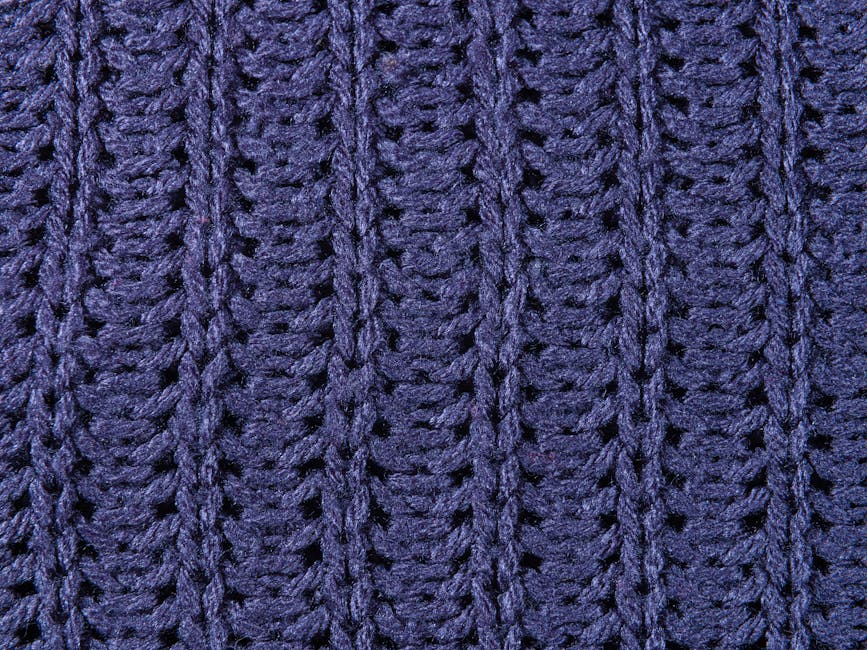
This is the tool most people picture when they search for a sweater comb: a handheld, non-electric comb you draw across fabric to scrape pills away. There are dozens on Amazon. Most are adequate. A few are significantly better.
The Gleener Ultimate Fuzz Remover (~$22) is the one to get if you maintain multiple sweater types. The reason it stands apart is the interchangeable blade system — it comes with three edge types (fine, medium, coarse) rather than the single fixed-tooth design on most combs. That distinction is meaningful. A coarse comb tooth on fine cashmere creates tiny horizontal scratches across the fabric surface. A fine tooth on chunky wool clogs immediately and barely moves through the pile.
The Gleener also reverses into a lint brush, which makes it a complete one-tool solution. Comb off the pills, flip it, brush away the debris. That two-step process in one tool is faster than it sounds when you’re working through a stack of sweaters at the season change.
What separates a good manual comb from a cheap one
- Tooth spacing: Finer spacing for lightweight fabrics, wider gaps for heavier knits. A mismatched tooth density either clogs immediately or scratches the surface instead of lifting pills.
- Handle ergonomics: You’ll draw this across fabric 40 or 50 times in one session. An awkward grip causes inconsistent pressure, which causes uneven results across the surface.
- Edge sharpness over time: A dull comb drags at the fabric instead of slicing cleanly through pill clusters. This is the failure mode of most budget combs — they work well initially, then dull and start snagging within a few months of use.
The unbranded rectangular cashmere combs available for $5–8 on Amazon are workable for occasional use on mid-weight sweaters. They dull faster and offer no edge selection, but if you’re combing two or three sweaters once per season, the price difference probably isn’t worth it.
The setup step that immediately improves results
Lay the sweater flat on a hard surface before starting. Most people hold it in one hand and comb with the other — this creates variable fabric tension and makes pressure control unreliable. A table or firm ironing board gives you even resistance across the whole surface. Short strokes, consistent direction, light pressure. Then reassess before doing a second pass.
When an Electric Shaver Is the Right Call
For cotton-acrylic blends, fleece, and mid-weight wool, an electric shaver is faster and more thorough than a manual comb. The manual comb recommendation gets overapplied — it’s specifically the right tool for fine fibers and delicate knits, not a universal default.
The Steamery Pilo Fabric Shaver (~$45) is the electric option worth spending on if you’re maintaining different sweater weights. The adjustable shaving height is the feature that matters most — it lets you set how deep the blade reaches into the fabric surface. That variable is what separates a shaver that works from one that eventually thins your sweaters. Most sub-$15 electric shavers have a fixed blade depth, which is why they’re effective for a few months and then start creating bald patches.
The Conair Fabric Defuzzer (~$13) is the budget pick that still holds up reliably. Fixed-blade design with no height adjustment, so it requires more attention to angle and pressure — but for mid-weight wool and cotton blends, it performs without drama. The blade is also replaceable, which extends the useful life significantly past what the price would suggest.
Clear verdict: use a manual comb for cashmere and fine wool. Use an electric shaver for everything else. If you’re buying one quality electric shaver, the Steamery Pilo’s adjustable depth makes it the safer choice across fabric weights.
How to Use a Sweater Comb Without Damaging the Fabric

Technique causes most of the damage people blame on the tool itself.
- Start at the hem or a low-visibility seam. Every sweater’s fabric responds slightly differently, especially to a new tool or a tool you’ve never used on that fiber before. The hem is the right place to find out.
- Use short strokes — not long sweeping passes. Long strokes build uneven friction and create inconsistent results. Four- to six-inch strokes give you far more control over what’s happening under the comb.
- Work with the knit direction, not against it. Knitwear has a grain. Combing against it stresses the loops and can cause laddering in looser constructions. If you’re unsure of the direction, look at the ribbing on the cuff — the vertical lines show which way to go.
- Clean the comb every few passes. A comb loaded with removed fiber drags instead of cuts. Tap it against the edge of the table or run the lint brush across it every six to eight strokes to keep the teeth clear.
- Don’t comb more than once per wash cycle. Every pass removes some healthy surface fiber along with the pills. Over-combing thins the fabric over time even when the technique is correct.
The most common mistake: pressing harder on stubborn, matted pill clusters. Those flat, embedded pills that look almost fused to the surface don’t respond to increased pressure — they respond to a second, lighter pass after the first has lifted them slightly. More force is almost never the answer.
Cashmere Pilling Is Different — and Needs a Different Standard
Cashmere fibers measure between 14 and 19 microns in diameter. That’s finer than almost any other animal fiber, which means they tangle with minimal friction. Pilling on cashmere isn’t a quality defect — it’s a structural property of fine fiber. Even high-quality cashmere pills. The variable is how quickly it happens, not whether it does.
Does better cashmere actually pill less?
Yes, specifically because of ply construction rather than fiber grade alone. Two-ply cashmere — where two fibers are twisted together before knitting — holds its surface more securely than single-ply. The individual fibers are less likely to escape and form pills at the surface. Brands like Everlane and Uniqlo both source Grade-A Mongolian cashmere; their two-ply pieces pill noticeably less than their single-ply options, and that’s the primary structural reason behind the price difference, not just marketing.
The right tool for cashmere, specifically
Fine-toothed manual comb only, as a baseline. The Gleener’s fine blade is appropriate; its coarse blade is not. If you’re going to use an electric shaver on cashmere at all — the Steamery Pilo at its lowest depth setting is the one option that’s low-risk enough to consider. Fixed-blade shavers like the Conair should not go near fine cashmere.
Comb cashmere every three to four wears rather than after every wear. Frequent combing removes healthy surface fibers along with the pills over time. The softness cashmere is known for comes from those fine surface fibers — strip them out through over-combing and the texture shifts toward something closer to coarser wool. Go less often, with lighter pressure, and the sweater maintains its character for much longer.
Slowing Pilling Before It Starts
A sweater comb fixes existing pilling. It doesn’t reduce the rate at which new pills form. If you’re combing the same sweater every two weeks, something upstream is creating excessive friction.
The main friction sources that accelerate pilling:
- Machine wash agitation. A standard wash cycle is hard on knit fibers. A mesh laundry bag plus the delicate cycle — or hand-washing — reduces pilling dramatically over the course of a season. The same sweater washed this way will need combing roughly half as often.
- Bag straps crossing the torso. A crossbody bag or backpack that rides against the chest or shoulders creates concentrated friction in one zone. Pilling appearing in a diagonal band across the front of a sweater is almost always from this.
- Structured jacket linings. The lining inside a blazer or winter coat generates friction with every movement. Pilling concentrated at the upper arms and underarms is typically from this source, not from the sweater itself degrading.
Storage matters too. Folding sweaters flat — not hanging them — keeps the knit structure intact between wears. Hanging a knit stretches it at the shoulder seam and loosens the fiber construction in a way that makes pilling from later friction worse. A flat fold in a drawer or on a shelf takes up more space but consistently extends the sweater’s usable life.
A sweater that pills monthly instead of weekly stays recoverable two to three times longer before the surface fiber becomes too depleted to restore through combing.