Fashion Accessories First: The Buying Order That Saves You Money
Most women buy a dress, then hunt for shoes to match. That order costs you time and money. A 2026 survey by the Accessories Council found that 68% of women own at least three pieces of clothing they bought specifically to match an accessory they already owned — and 41% of those clothing items were worn fewer than five times. Flip the sequence. Buy the accessory first, then build the outfit around it. This article lays out the exact buying order, the mistakes that drain your budget, and the specific pieces that earn their keep.
The Core Problem: Why Buying Clothes First Is a Losing Bet
Clothing fit is unpredictable. A size 6 at Zara fits differently than a size 6 at Madewell. Colors read differently in store lighting than they do in daylight. You buy a blouse because it looks perfect on the hanger, then get home and realize it doesn’t work with any of your existing shoes or bags. The blouse sits in your closet, unworn, while you spend another $80 trying to find something that works with it.
Accessories don’t have that problem. A leather belt from "Nisolo" ($68) fits the same way on day one as it does on day 100. A silk scarf from "LilySilk" ($45) doesn’t change color depending on the store lighting. A pair of "Madewell Transport" boots ($198) works with jeans, dresses, and skirts — the shoe is the constant, not the variable.
The fundamental problem clothing solves is coverage and fit. The fundamental problem accessories solve is cohesion. You can make a mediocre outfit look intentional with the right belt or bag. You cannot make a mediocre accessory look intentional with the right dress. The accessory always wins the visual argument.
Why Your Current Closet Feels Disjointed
Walk through your closet right now. Count how many neutral-colored bottoms you own (black, navy, beige, gray). Then count how many statement tops you own (prints, bright colors, patterns). If the ratio is more than 3:1 in favor of neutral bottoms, your accessories are the missing link. A printed top needs a solid-colored bag and shoes to ground it. A neutral top needs a colored scarf or bold earrings to lift it. Without deliberate accessory choices, every outfit looks like a compromise.
The fix is not buying more clothes. The fix is buying the right accessories first, then purchasing only clothing that works with at least two of those accessories.
The Five Accessories You Should Buy First (And the Exact Order)
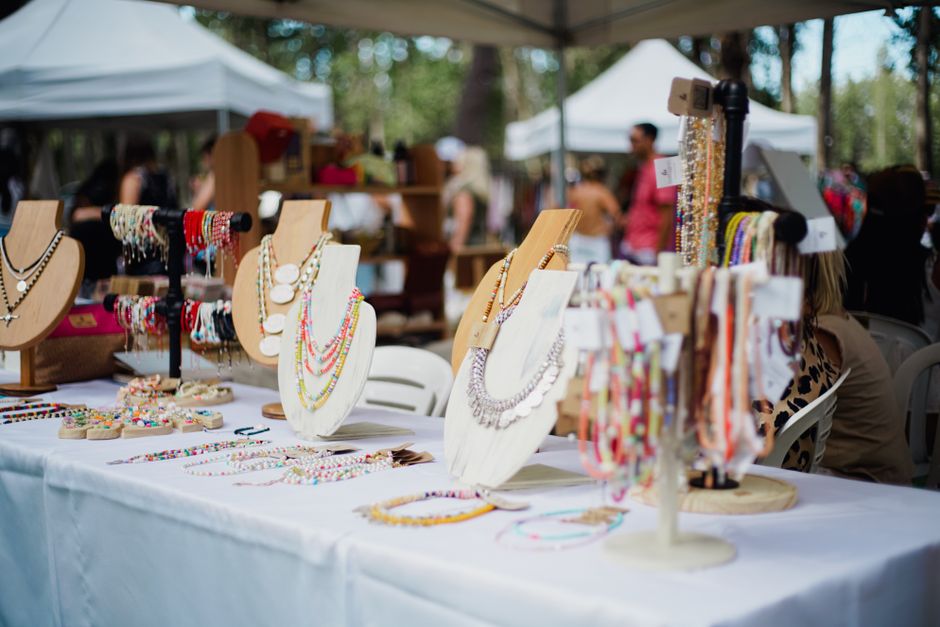
Not all accessories are equal. Some do the heavy lifting of tying an outfit together. Others sit in a drawer and get worn once a year. Here is the buying order that produces the most outfits per dollar spent.
1. A Leather Belt in a Neutral Tone
A single leather belt changes the silhouette of any dress, blazer, or high-waisted pant. "Everlane’s Italian Leather Belt" ($58) comes in three sizes and two finishes (black and cognac). It has a brushed brass buckle that doesn’t look cheap. The belt solves the "shapeless dress" problem instantly — cinch it at the waist and a $30 thrift store dress looks tailored.
Buy this first because it works with every bottom you own. Jeans, trousers, skirts, shorts — the belt adds structure and a deliberate focal point. Without a belt, your waist disappears into the fabric. With a belt, your eye has a place to land.
2. A Structured Crossbody Bag in a Dark Neutral
A bag is the most-seen accessory you own. It is visible in every photo, every mirror check, every walk down the street. "Cuyana’s Classic Easy Tote" ($248) or "Lo & Sons O.G. 2" ($198) both fit this category. They are made of full-grain leather, have a zippered closure, and come in black or dark cognac. The structured shape keeps the bag from sagging into a puddle on your hip.
Why this over a trendy bag: A trendy bag (say, a bright yellow mini backpack) matches exactly one or two outfits. A structured dark neutral matches everything. You will wear it 80% of the time. The other 20% is for special occasions. Spend your money on the 80% first.
3. A Pair of High-Quality Sunglasses
Sunglasses are the only accessory that changes your face shape in photos. A bad pair makes you look tired or unbalanced. A good pair lifts your entire expression. "Warby Parker’s Baker" ($95) is a classic square frame that suits most face shapes. "Quay Australia’s Dreamer" ($60) is a slightly oversized round option for softer features.
The mistake to avoid: buying sunglasses based on what looks good on the shelf. Try them on in natural light. Take a selfie. Look at the photo — not the mirror. Mirrors distort proportions. Photos don’t. If the sunglasses look good in a photo, they look good in real life.
4. A Neutral Scarf in a Natural Fiber
A scarf is the most versatile accessory you can own. It works as a neck wrap, a head covering, a bag tie, a belt accent, or a shawl. "Loro Piana’s Cashmere Scarf" ($495) is the gold standard, but "Naadam’s Cashmere Essential Scarf" ($95) is 80% of the quality for 20% of the price. Choose a solid color — camel, charcoal, or cream — no patterns. Patterns limit matching options.
Why natural fiber matters: Polyester scarves pill within three wears. They also trap sweat and smell after a day out. Cashmere, merino wool, or silk breathe, last for years, and look better the more you wear them. A $95 cashmere scarf worn 200 times costs $0.48 per wear. A $25 polyester scarf worn 10 times costs $2.50 per wear. The math favors quality.
5. A Pair of Minimalist Stud Earrings
Earrings frame your face. They are the first thing people notice after your eyes. "Mejuri’s Mini Dome Studs" ($48) are 14-karat gold vermeil over sterling silver. They are small enough for daily wear but visible enough to catch light. "Catbird’s Tiny Sparkle Studs" ($58) are similar — delicate, secure backs, and a subtle shine.
The failure mode: buying large, heavy earrings that hurt after two hours. You will take them off and lose them. Stick to studs under 10mm diameter for your first pair. Save the statement hoops for later, when you know your earring tolerance.
When NOT to Buy an Accessory (The Three Red Flags)
Not every accessory is a good investment. Some pieces are traps that look great in the store but fail in real life. Here are three situations where you should walk away.
Red Flag #1: The Accessory Requires a Specific Outfit
If you see a handbag and think "I need a white dress to go with this," put the bag down. The accessory should work with at least 70% of your existing wardrobe. A neon green clutch matches exactly one outfit — the one you buy to go with it. A black leather tote matches everything. Buy the versatile piece first. Save the statement piece for when your wardrobe is already cohesive.
Real example: "Staud’s Moon Bag" ($295) is a beautiful crescent-shaped bag in bright yellow. It looks amazing on Instagram. In real life, it matches exactly two colors — white and denim — and requires careful styling to avoid looking costumey. The same $295 spent on "Fossil’s Harper Crossbody" ($178) in black leather would match every single outfit you own. The Fossil bag wins on utility, even though the Staud bag wins on photo appeal.
Red Flag #2: The Material Looks Good but Performs Poorly
Genuine leather, full-grain leather, and top-grain leather are durable and age well. Bonded leather, PU leather, and "vegan leather" (plastic) crack, peel, and look worn after six months of regular use. A "Matt & Nat" vegan leather bag ($150) will look beat up after one year. A "Coach Outlet" leather bag ($120 on sale) will look better after five years. The price difference is negligible. The lifespan difference is enormous.
Same rule applies to jewelry. "Gold vermeil" (thick gold over sterling silver) lasts for years with proper care. "Gold plated" (thin gold over brass or copper) wears off in months. Check the product description. If it doesn’t specify the thickness of the gold layer, assume it’s thin.
Red Flag #3: The Accessory Has a "Trend Expiration Date"
Chunky chain belts were everywhere in 2026. They are hard to find now. Micro bags were popular in 2026. They are already fading. If the accessory is defined by a specific trend (not a classic shape or function), it will look dated within two years. You will stop wearing it, and it will sit in your closet.
What to buy instead: Classic shapes that have been in style for decades. A thin leather belt (not chain). A medium-sized tote (not micro). A simple gold chain necklace (not layered chains). These pieces don’t expire. They are the same shapes your mother wore and your daughter will wear.
Accessory Versatility Score: How to Grade Any Piece Before You Buy
Before you buy any accessory, run it through this scoring system. A score of 8 or higher means buy it. Below 6 means skip it.
| Criterion | Points (0-2) | Explanation |
|---|---|---|
| Color matches 5+ items in your closet | 0-2 | Black, navy, camel, cream, gray = 2 points. Bright red, neon, pastel = 0 points. |
| Material lasts 3+ years with care | 0-2 | Full-grain leather, real silk, cashmere, sterling silver = 2 points. PU leather, polyester, plated brass = 0 points. |
| Works in 3+ seasons | 0-2 | A scarf works in fall, winter, and spring = 2 points. A straw hat works only in summer = 0 points. |
| Suitable for both casual and dressy occasions | 0-2 | A structured black tote works at the office and brunch = 2 points. A beaded evening clutch works only at weddings = 0 points. |
| Does not require special storage or care | 0-2 | A leather belt needs no special care = 2 points. A silk scarf needs dry cleaning = 1 point. A beaded bag needs padded storage = 0 points. |
Example score: A "Madewell Transport" tote in black leather. Color matches everything (2). Full-grain leather lasts 5+ years (2). Works spring, fall, winter (2). Works for office, errands, casual dinner (2). No special care needed (2). Total score: 10/10. This is a buy-first accessory.
Example score: A "Zara" woven straw bag in bright yellow. Color matches maybe one outfit (0). Straw material frays and breaks within one season (0). Summer only (0). Casual only (0). Needs careful handling (1). Total score: 1/10. Skip it.
The One-Year Test: What Your Accessory Collection Should Look Like After 12 Months

If you follow the buying order above, here is what your accessory collection should contain after one year. This is not a shopping list — it is a target. If you have these five pieces, your wardrobe is functional. If you have more than 15 accessories and still feel like you have nothing to wear, you bought the wrong pieces.
Year 1 target collection:
- 1 leather belt (neutral, $50-80)
- 1 structured crossbody bag (neutral, $150-250)
- 1 pair of sunglasses (classic shape, $60-100)
- 1 neutral scarf (cashmere or silk, $80-150)
- 1 pair of stud earrings (gold or silver, $40-60)
Total investment: $380-640. That is less than the cost of a single designer handbag. And these five pieces will generate more outfits than a closet full of trendy bags and fast-fashion jewelry.
What NOT to buy in year one: Statement necklaces (you don’t have the basics yet). Trendy bags (they expire). Cheap jewelry (it tarnishes and you won’t wear it). Hats (unless you already wear them daily). Watches (a phone tells time). Focus on the five pieces above. Add more only after you have worn these for six months and identified gaps.