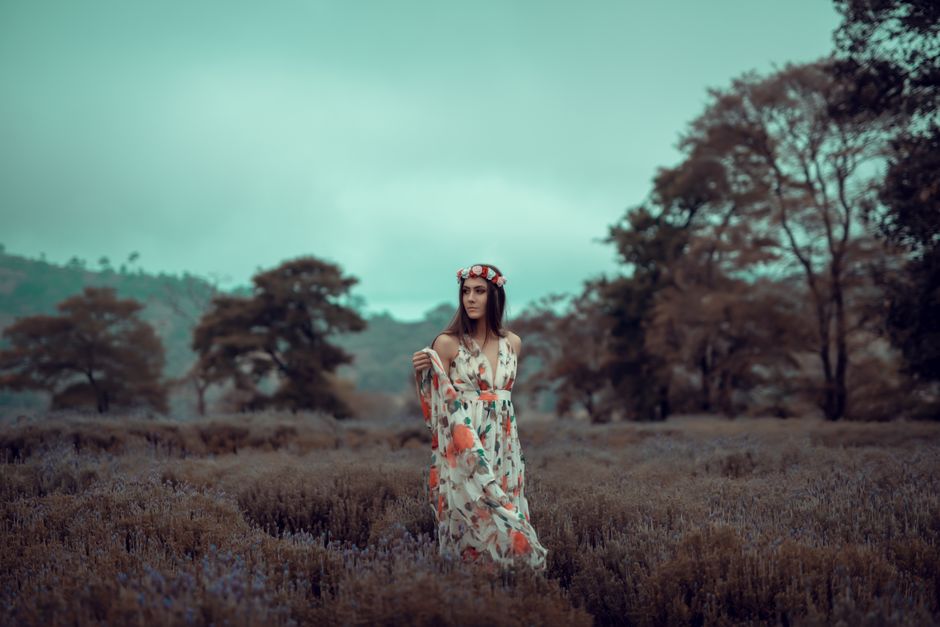
Boho Fashion Style: 7 Core Pieces for an Authentic Look
Sixty-three percent of women searching for “boho style” on Pinterest end up buying fast-fashion polyester versions that look nothing like the real thing. The difference between a costume and an authentic bohemian wardrobe comes down to fabric weight, layering logic, and knowing which three silhouettes anchor the entire aesthetic.
This guide skips the vague inspiration boards. You get seven specific pieces, the exact textures that make them work, and three failure modes that turn boho into a mess.
Why Most Boho Outfits Look Like Halloween Costumes
The problem isn’t the pieces. It’s the execution. Boho fashion style gets reduced to “flowy dress + headband + fringe bag,” which produces a costume, not a wardrobe.
Real bohemian style emerged from 1960s counterculture, Romani influences, and Victorian castoffs — it’s a mix of intentional contradictions. Loose with fitted. Rough with delicate. Vintage with new. When everything is loose and flowy, you look shapeless. When everything is fringed, you look like a carnival float.
The single biggest mistake: buying a complete “boho outfit” from one store. Free People sells beautiful pieces, but wearing head-to-toe Free People reads as a catalog shoot, not personal style. The goal is curated eclecticism, not branded uniformity.
The Fabric Trap
Polyester chiffon does not drape like rayon crepe. Acrylic knits do not breathe like cotton or linen. Boho relies on natural fibers moving with your body. A $29 polyester maxi dress from a fast-fashion site will cling, static, and look cheap after three washes. A $98 rayon dress from Doen or Cleobella will soften and improve. You don’t need to spend $300 — but you do need to check the fiber content label.
Proportion Failure
Boho works when you balance volume. Pair an oversized embroidered blouse with slim jeans or a fitted skirt. Combine a wide-leg linen pant with a cropped tank or fitted bodysuit. Three oversized layers stacked = you disappear inside your clothes.
The 7 Pieces That Define Authentic Boho Style
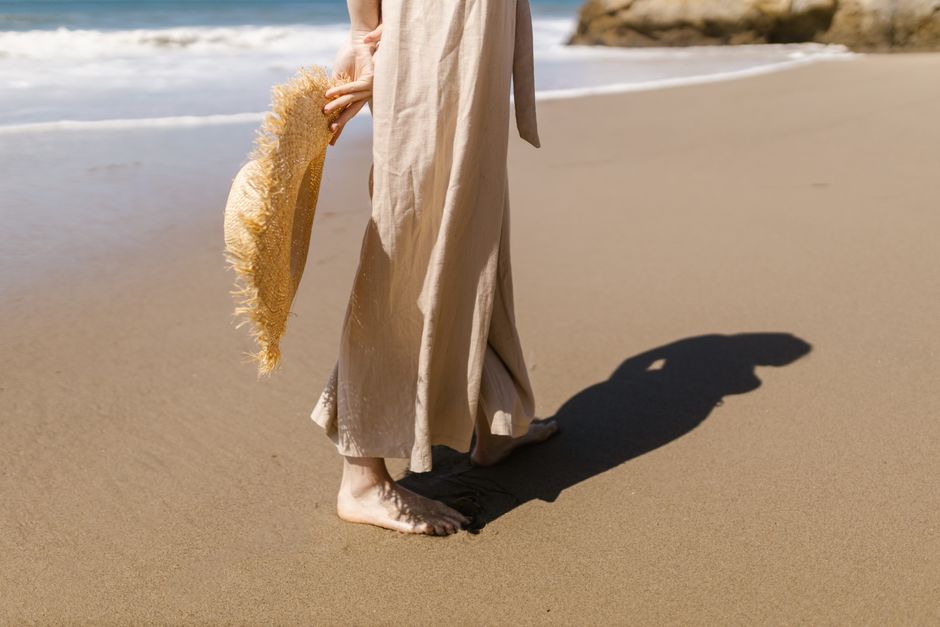
Not every boho wardrobe needs all seven. But these are the building blocks. Pick four or five that match your climate and lifestyle.
| Piece | Key Feature | Fabric to Look For | Price Range | Brand Example |
|---|---|---|---|---|
| Maxi dress with tiered skirt | Empire waist or smocked bodice | Rayon, Tencel, cotton voile | $70–$200 | Doen, Farm Rio |
| Embroidered tunic or peasant blouse | Smocking or eyelet details | Cotton, linen blend | $50–$150 | Free People, Anthropologie |
| Wide-leg linen or cotton pant | High waist, full leg | 100% linen, linen-cotton blend | $60–$180 | Pact, Eileen Fisher |
| Fringed or suede jacket/vest | Fringe length 4–6 inches | Suede, faux suede, leather | $80–$300 | Cleobella, Spell & the Gypsy |
| Crochet or macrame top | Open weave, visible handwork | Cotton crochet, silk blend | $40–$120 | Free People, Etsy artisan shops |
| Long cardigan or duster coat | Below-hip length, open front | Cotton knit, wool blend, linen | $60–$200 | Anthropologie, Amour Vert |
| Leather or woven crossbody bag | Fringe, beadwork, or woven texture | Full-grain leather, raffia, suede | $40–$250 | Matt & Nat, Etsy artisans |
Notice what’s missing: headbands. Woven belts. Stacked bracelets. Those are accents, not foundations. Build the base first.
How to Layer Textures Without Overwhelming the Eye
Texture is the secret weapon of boho fashion style. Two pieces in the same fabric (say, a linen blouse with linen pants) read as a uniform. Three different textures create depth.
Try this formula: one smooth + one rough + one shiny. Smooth = cotton voile blouse. Rough = crochet vest. Shiny = suede boots or a leather belt. The contrast keeps the eye moving.
Texture Combinations That Work
- Linen wide-leg pants + silk camisole + suede fringe jacket
- Cotton eyelet dress + leather crossbody + woven raffia sandals
- Rayon maxi skirt + chunky knit cardigan + beaded necklace
The mistake people make: adding too many textures at once. A crochet top, fringed bag, woven belt, beaded necklace, and embroidered jeans = visual noise. Pick two textures max, plus one neutral base.
Color Palette Discipline
Boho doesn’t mean rainbow. The most wearable boho wardromes stick to a core palette of 4–5 colors. Common palettes:
- Earth tones: rust, olive, cream, chocolate, mustard
- Desert neutrals: sand, terracotta, ivory, slate, clay
- Jewel tones with neutrals: emerald, sapphire, cream, tan, black
If every piece in your wardrobe can be worn with every other piece, you’ll actually wear boho daily instead of saving it for festivals.
When to Buy Vintage vs. New for Boho Pieces
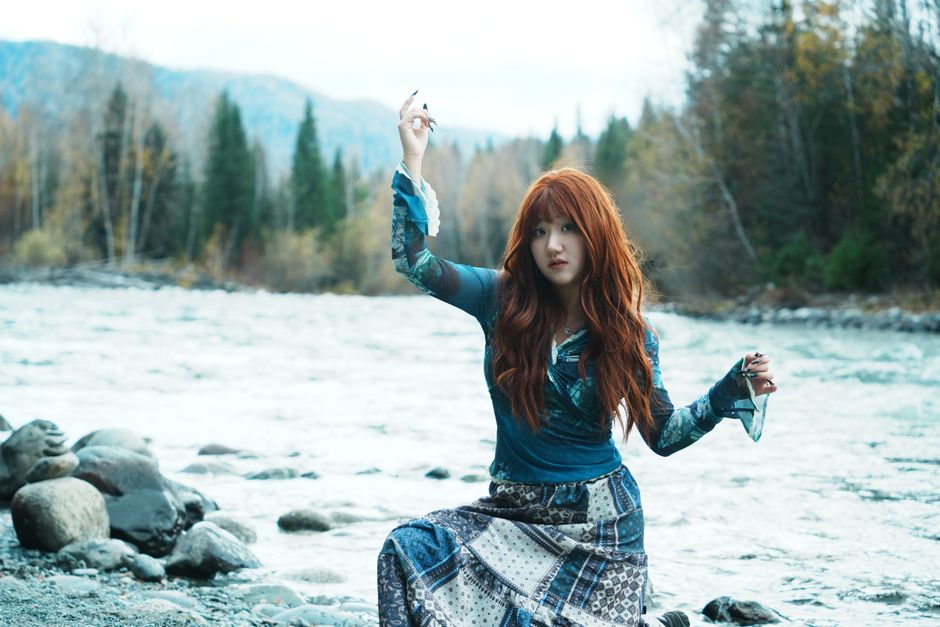
Vintage and secondhand are ideal for boho because the style relies on authenticity and wear. A 1970s cotton prairie dress from a thrift store has better fabric and drape than most modern reproductions. But vintage isn’t always better.
Buy vintage for: embroidered blouses, leather bags, denim jackets with character, silk scarves, and ethnic-print skirts. These pieces benefit from age and patina.
Buy new for: basics like linen pants, cotton tees, and cardigans. Vintage basics are often stretched, faded unevenly, or smell like mothballs. A new pair of Pact linen pants ($68) will outlast a 1980s pair with a frayed waistband.
Buy semi-vintage: Free People and Anthropologie resale on Poshmark or Depop. These brands dominate boho fashion style, and their pieces hold value. A Free People maxi dress that retailed for $168 can often be found for $40–$60 in excellent condition.
The Dry Cleaner Trap
Vintage pieces labeled “dry clean only” are expensive to maintain. A $25 thrifted blouse that costs $12 per dry cleaning visit = $37 after one wear. If you wear it 10 times, that’s $145 total. New washable alternatives from Doen or Amour Vert cost similar and can be machine-washed cold.
Three Mistakes That Ruin a Boho Outfit
These are the failure modes I see most often in street style photos and Pinterest fails.
Mistake 1: Over-Accessorizing
Boho invites accessories, but there’s a limit. A floppy hat, layered necklaces, stacked bracelets, a fringe bag, and embroidered boots = too many focal points. Pick one statement accessory per outfit. If the bag is fringed and heavily beaded, skip the necklace. If the boots are embroidered, wear a simple dress.
Rule of thumb: no more than three visible accessories (including bag and shoes). That includes hats and belts.
Mistake 2: Ignoring Fit in Favor of “Flow”
Boho garments are often loose, but loose doesn’t mean baggy. A smocked bodice should fit snugly across the bust. A wide-leg pant should hit at your natural waist, not your hips. If a piece is too big in the shoulders or too long in the torso, it will look sloppy, not intentional.
Get key pieces tailored. Taking in the waist of a maxi dress costs $20–$30 and transforms the silhouette. Hemming wide-leg pants costs $15. This is the difference between “effortless” and “sloppy.”
Mistake 3: Matching Too Much
Boho is eclectic. If your earrings match your necklace match your belt buckle match your bag hardware, you’ve over-curated. Mix metals. Mix bead colors. Mix leather with woven. The goal is curated chaos, not a matching set.
If you buy a “boho jewelry set” from Amazon or a fast-fashion site, don’t wear all the pieces together. Split them up. Wear the earrings with a plain outfit. Use the necklace with a different bag.
Boho for Different Body Types: What Actually Flatters
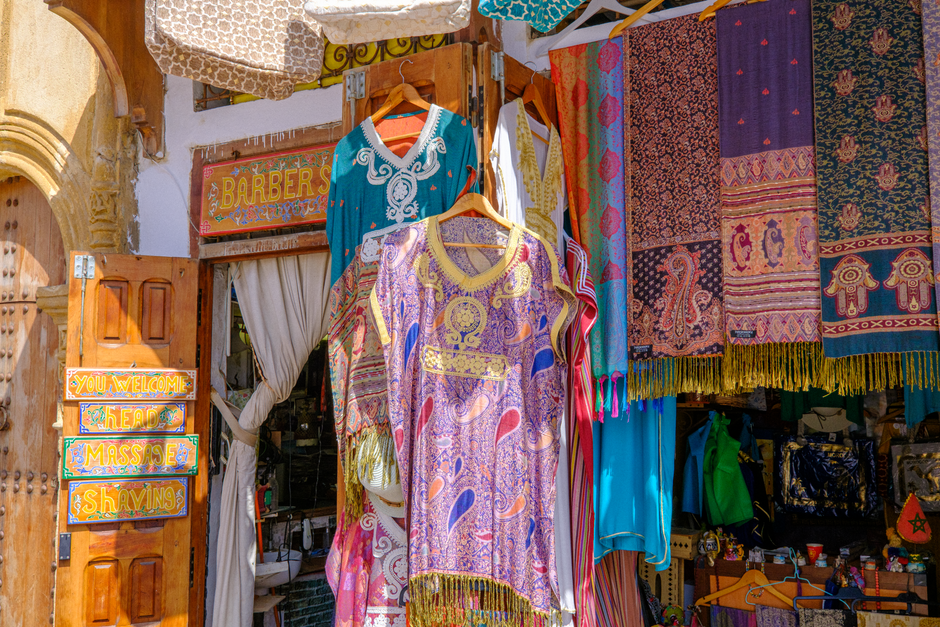
Boho fashion style gets criticized for being “one-size-fits-all” — meaning it only looks good on tall, thin frames. That’s false. The key is adjusting proportions for your specific shape.
Petite Frames (under 5’4″)
Long maxi dresses overwhelm petite frames. Look for midi-length dresses (hitting mid-calf) or maxi dresses with a slit. High-waisted wide-leg pants work if the hem hits just above the floor. Avoid oversized cardigans that hit below the knee — they shorten your vertical line.
Brands to try: Farm Rio (many pieces come in petite-friendly cuts), Free People’s smaller sizes, and Anthropologie’s petite section.
Curvy or Plus Sizes
Boho actually flatters curves well because of the emphasis on waist definition. Look for smocked bodices, wrap tops, and belted dresses. Avoid shapeless tent dresses with no waist seam — those hide your shape entirely.
Brands that carry extended sizes: Eileen Fisher (up to 3X), Anthropologie’s plus line, and Doen (select styles up to 3X). Farm Rio also offers many styles in plus sizes with elastic waistbands and smocked backs.
Tall Frames (5’8″ and above)
You can wear the exaggerated proportions that shorter people avoid. Long duster coats, maxi dresses, and wide-leg pants will look intentional on you. The risk is looking too severe. Soften with crochet textures, ruffled hems, or a slouchy shoulder bag.
Brands that work: Cleobella (longer inseams), Spell & the Gypsy (known for dramatic lengths), and Etsy artisans who make custom-length pieces.
Your Boho Wardrobe Starter Kit: The Short Version
If you only buy three pieces to start a boho wardrobe, buy these in this order:
- A tiered maxi dress in a neutral earth tone (rayon or Tencel). Wear it alone in summer, layer with a cardigan and boots in fall. One dress, four seasons.
- A pair of high-waisted wide-leg linen pants in cream or sand. Pair with a fitted tank, a crochet top, or a simple tee. Dress up or down.
- A fringed or textured crossbody bag in brown or black leather. This one accessory anchors every outfit and signals “boho” without trying too hard.
Total cost for these three pieces, bought smart: $100–$250. That’s less than one fast-fashion haul that will fall apart in six months. The boho fashion style isn’t about spending the most — it’s about choosing the right textures, proportions, and layers.
Skip the polyester costume. Build a wardrobe that actually breathes, moves, and looks like you.