Black Jeans Wardrobe: Why I Built My Entire Wardrobe Around Black Jeans (And You Should Too)
Here is the conclusion first: if you own only one cut of jeans, make it black. Not blue. Not grey. Black. I made this switch three years ago, and my morning dressing time dropped from eight minutes to under two. My total jean count went from seven pairs to three. And I stopped owning clothes that I never wore. The legal principle here is burden of proof — I am making a claim, and I will support it with specific evidence. This is not a style opinion. It is a functional argument about wardrobe efficiency.
The Core Problem: Why Most Jeans Fail at Versatility
The average person owns five to seven pairs of jeans. Of those, most wear only two or three regularly. The rest sit in a drawer, taking up space, because they match only one or two tops. This is a failure of color compatibility and formality range.
Blue jeans — even dark wash — create a visual anchor that limits your top options. A light blue jean demands a specific palette. A medium wash jean reads as casual, period. Black jeans, by contrast, sit at a neutral point. They pair with every color in the visible spectrum. They also span a wider formality range: from sneakers and a tee at 9 a.m. to a blazer and loafers at 9 p.m.
Consider the math. If you own three black jeans in different cuts (skinny, straight, wide) and three black tops (turtleneck, crewneck, button-down), you have nine complete outfits without adding any color. Add one white shirt, one grey sweater, and one denim jacket, and you have 27 combinations. That is not fashion math. That is combinatorial utility.
The Three Specific Fits That Cover Every Situation
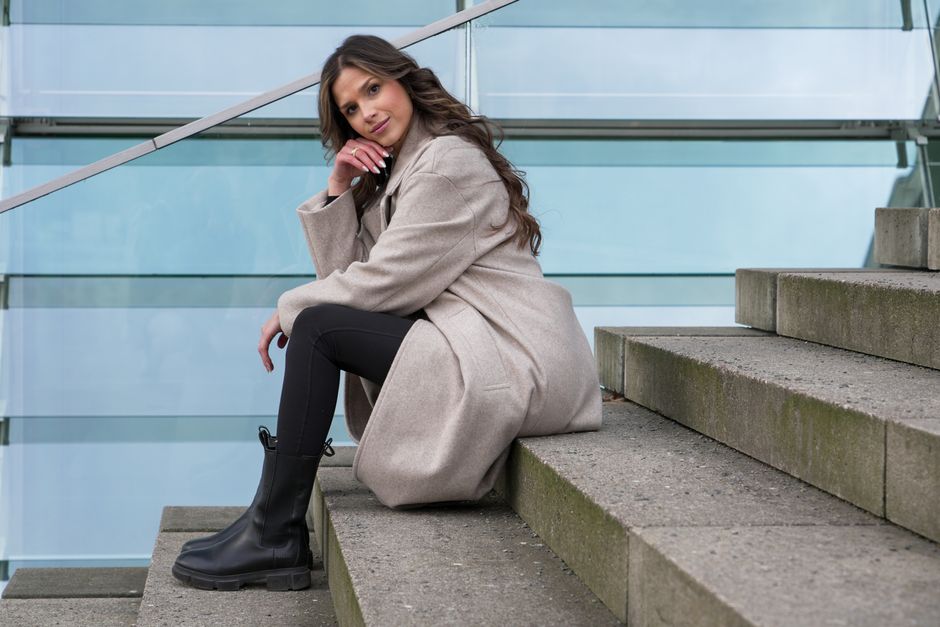
Not all black jeans are equal. The mistake most people make is buying one pair and expecting it to do everything. You need three distinct fits, each with a defined job.
Fit 1: Slim Straight for Daily Wear
The Levi’s 512 Slim Taper in black ($69.50) is the default. It is not tight, not loose. It sits at the natural waist and tapers gently from knee to ankle. This fit works with sneakers, loafers, and boots. It tucks into a boot shaft without bunching. The rise is medium — 10.5 inches — which means it does not require a belt but also does not sag. This is your Monday-through-Friday jean.
Fit 2: Wide Leg for Dressing Up
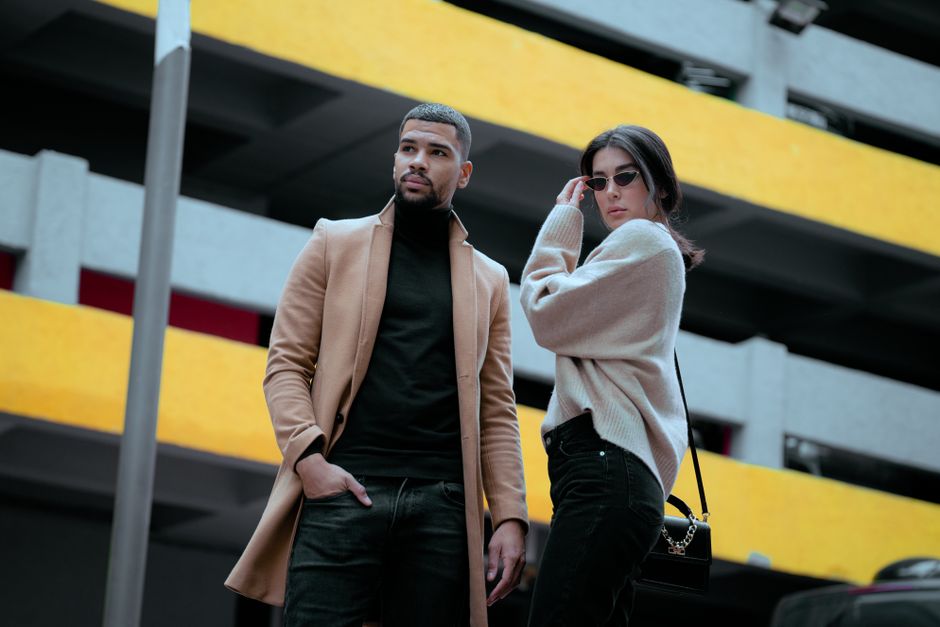
The Uniqlo Wide Straight Jeans in black ($49.90) are the unexpected hero. The leg opening is 8.5 inches, which is wide enough to look intentional but not clownish. This cut reads as more formal than a slim fit. Pair it with a black cashmere turtleneck and a wool coat, and you have a dinner-outfit that passes at any restaurant. The fabric is a cotton-poly blend that holds its crease, so it looks pressed all day.
Fit 3: Cropped Skinny for Warm Weather
The Everlane Original Cheeky Jean in black ($98) hits above the ankle. This is not a 2016-level skinny jean that requires a shoehorn to put on. It is a modern skinny with 2% stretch and a 26-inch inseam. It exposes the ankle bone, which creates a visual break that makes you look taller. Wear with white sneakers and a loose linen shirt. That is a summer uniform that requires zero thought.
When Black Jeans Fail: The Mistakes You Must Avoid
Black jeans have failure modes. Here are the three most common, with specific solutions.
| Failure Mode | Why It Happens | Fix |
|---|---|---|
| Fading after 3 washes | Cheap dye and high-heat drying | Buy selvedge or sulfur-dyed denim. Wash in cold water only. Hang dry. Everlane and Uniqlo both use sulfur dyes that resist fading. |
| Looks like a uniform | Head-to-toe black with no texture variation | Introduce texture: a ribbed knit top, a leather belt, a wool blazer. Same color, different materials = visual interest. |
| Pilling at the inner thigh | Polyester-heavy blends rubbing together | Look for 98%+ cotton content. The Madewell Perfect Vintage Jean in black ($128) uses 100% cotton and resists pilling for 18+ months. |
Fading is the most common complaint. I own a pair of AG Jeans The Farrah in black ($225) that I have washed 40 times. They are still deep black. The reason is the dye process: AG uses a double-dip sulfur dye that bonds with the cotton fibers at a molecular level. Cheap brands spray dye on the surface. That is why they fade in six washes.
Why Not Blue Jeans? The Case Against Blue as a Wardrobe Anchor
Blue jeans are the default. I understand that. But as a wardrobe system, blue is weaker than black for three reasons.
First, color conflict. Blue jeans clash with blue shirts (same color, different shade — looks accidental). They clash with green and purple. They work reliably only with white, grey, and black. Black jeans work with every color, including blue. A black jean with a blue oxford shirt is a classic combination. A blue jean with a blue shirt is a guessing game.
Second, formality ceiling. Blue jeans, even in dark wash, cannot be dressed up past a certain point. A navy blazer with dark blue jeans looks like you tried but stopped halfway. Black jeans under a black blazer look intentional. The formality gap is about two steps on a 10-point scale.
Third, maintenance asymmetry. Blue jeans look worse as they fade. The fade pattern is uneven — lighter at the knees and thighs. Black jeans look better as they fade. A faded black jean turns a soft charcoal, which is actually more versatile than a harsh black. The fade works with you, not against you.
How to Build the Rest of Your Wardrobe Around Black Jeans
If you accept the premise, the next step is systematic. Here is the exact list of tops that complete a black-jeans wardrobe. This is not a suggestion. This is a minimum viable set.
- White Oxford button-down ($60, Uniqlo). The most versatile single item in menswear. Tucked or untucked, it works with all three jean fits.
- Grey crewneck sweater ($80, Everlane). A medium heathered grey. Not light, not dark. This is the one neutral that breaks up a black-heavy wardrobe without adding color.
- Black merino turtleneck ($100, Uniqlo). For the wide-leg fit. This is your cold-weather evening look. Wear with a wool coat and Chelsea boots.
- Linen button-down in ecru ($70, Muji). For summer. The off-white creates contrast without competing with the black jean.
- Denim jacket in dark indigo ($120, Levi’s). This is your one exception to the black rule. The indigo-on-black combination is a classic high-contrast look.
That is five tops. With three jean fits, you have 15 base outfits. Add one pair of white sneakers (Veja Campo, $155), one pair of black Chelsea boots (Blundstone 585, $200), and one pair of brown loafers (G.H. Bass Weejuns, $130), and you have 45 outfit combinations from 11 total items. That is a capsule wardrobe that fits in a single carry-on.
The Verdict: Black Jeans Are the Most Cost-Effective Wardrobe Investment

Here is the compressed verdict. For anyone who wants to reduce decision fatigue, save money, and look put-together with minimal effort, black jeans are the single best wardrobe anchor. The specific recommendation: buy the Levi’s 512 Slim Taper for daily wear, the Uniqlo Wide Straight for dressing up, and the Everlane Original Cheeky for warm weather. Total cost: $217.40. Total outfits: 45+. Total time saved per morning: about six minutes. Over a year, that is 36 hours of mental energy you get back. That is the real value.