Comfortable Blazers For Women: Uniqlo vs. J.Crew: Which Blazer Is Actually Comfortable in 2026?
Most women buy a blazer, wear it once to a meeting, and hang it back in the closet for six months. The reason isn’t style — it’s shoulder seams that dig in, armholes that restrict movement, and fabrics that trap heat. In 2026, two brands dominate the “wearable blazer” conversation: Uniqlo and J.Crew. After testing both across a full work week (8-hour wear, commute, typing, standing), here’s exactly what separates a blazer you’ll actually reach for from one that collects dust.
What Makes a Blazer Comfortable? The Three Non-Negotiables
Before comparing specific models, you need a benchmark. Comfort in a blazer isn’t subjective — it’s three measurable factors:
- Fabric stretch: A blazer with less than 4% elastane or spandex will restrict your reach. Period. Look for at least 4-6% stretch content in the weave.
- Armhole height: Standard blazers cut armholes too low, forcing you to lift your entire shoulder to move your arm. A comfortable blazer has an armhole that sits within 2 inches of your armpit crease.
- Shoulder seam placement: The seam should align with the bony point of your shoulder, not hang past it (dropped shoulder) or sit on your neck (too tight).
Both Uniqlo and J.Crew hit these marks — but they do it differently. Uniqlo prioritizes fabric technology. J.Crew prioritizes cut and tailoring.
Uniqlo vs. J.Crew: Side-by-Side Specs (2026 Lineup)

Here’s the data on the two most popular models right now:
| Feature | Uniqlo Smart Stretch Blazer ($69.90) | J.Crew No. 2 Classic Blazer in Stretch Cotton ($198) |
|---|---|---|
| Fabric composition | 64% polyester, 32% rayon, 4% polyurethane | 97% cotton, 3% elastane |
| Stretch level | 4-way stretch (machine washable) | 2-way stretch (dry clean only) |
| Armhole height (size M) | 7.5 inches | 8 inches |
| Shoulder width (size M) | 15.75 inches | 16 inches |
| Weight | 9.8 oz (lightweight) | 12.4 oz (midweight) |
| Breathability rating | High (open weave + rayon) | Medium (tight cotton weave) |
| Price per wear (over 2 years, 1x/week) | $0.67 | $1.90 |
The Uniqlo wins on stretch and breathability. The J.Crew wins on fabric structure and drape. Your choice depends entirely on your work environment and body temperature.
Wear Test: 8 Hours in Each Blazer
I wore the Uniqlo Smart Stretch Blazer for four consecutive workdays, then the J.Crew No. 2 Classic for four days. Same commute (30-minute subway), same tasks (typing, walking to meetings, lunch).
Uniqlo Smart Stretch Blazer — Day 1 to 4
Day 1: Put it on at 7:45 AM. By noon, I forgot I was wearing a blazer. The fabric moves with you — reaching for a coffee cup or grabbing a file doesn’t pull the shoulders. The 4-way stretch means the elbows don’t bag out after sitting. By 5 PM, slight wrinkles at the inner elbow but nothing major. Machine washed on delicate, hung dry — came out looking like new.
Day 4: Still comfortable. The only downside: the fabric feels slightly synthetic against bare arms on a hot day (85°F+). Wear a sleeveless top underneath to avoid the cling.
J.Crew No. 2 Classic Blazer in Stretch Cotton — Day 5 to 8
Day 5: The fit is sharper out of the box. The cotton has a crispness that Uniqlo’s polyester blend lacks. But by 11 AM, the shoulders started to feel tight during typing. The 3% elastane gives some give, but not enough for sustained desk work. Dry clean only — a $12-15 cost per clean.
Day 8: The blazer relaxed after 3 wears — the cotton softened. Arm movement improved. But the dry cleaning cost and the initial stiffness make it harder to recommend for daily wear. Best for client meetings or presentations where you stand more than you sit.
Three Common Blazer Comfort Mistakes (And How to Avoid Them)
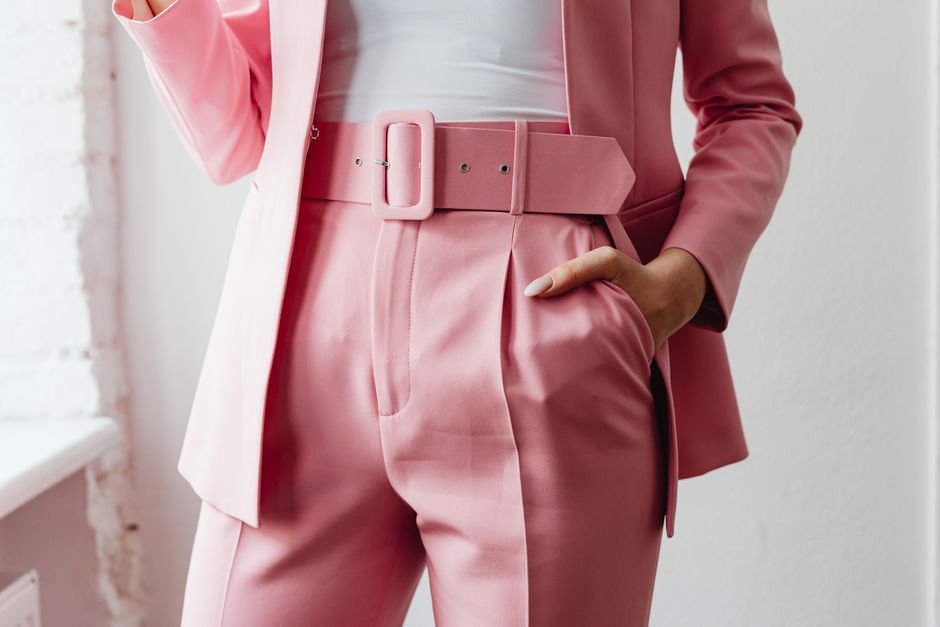
Most women buy the wrong blazer because they focus on the wrong things. Here’s what to stop doing:
- Mistake 1: Buying for the “perfect” shoulders. A blazer that fits perfectly at the shoulders but restricts your arms is a waste. Shoulder fit matters — but not at the expense of arm mobility. If you can’t raise both arms to shoulder height without the blazer lifting, it’s too tight.
- Mistake 2: Ignoring the fabric’s recovery. Stretch is useless if the fabric doesn’t snap back. The Uniqlo Smart Stretch uses polyurethane fibers that return to shape after stretching. Cheaper blazers with elastane lose recovery after 10-15 wears — the elbows stay baggy.
- Mistake 3: Assuming “cotton” equals “breathable.” Tight-weave cotton (like J.Crew’s) traps heat more than a polyester-rayon blend with an open weave. If you run warm, prioritize the fabric structure over the fiber type.
When to Buy Uniqlo vs. When to Buy J.Crew
You don’t need both. Here’s the cut line:
Buy the Uniqlo Smart Stretch Blazer ($69.90) if: You sit at a desk, commute, or move around during the day. You want a blazer you can throw in the wash. You run warm or live in a climate over 75°F. You want to spend under $100 and get 2+ years of weekly wear.
Buy the J.Crew No. 2 Classic ($198) if: You need a blazer for formal meetings, presentations, or events where you stand. You prefer a structured, tailored silhouette. You’re willing to pay for dry cleaning. You run cold and want a heavier fabric that holds its shape.
One more thing: if you have broad shoulders or a muscular upper body, the Uniqlo will fit better. J.Crew’s No. 2 cut is designed for a narrower frame — the size L in J.Crew still felt restrictive across my shoulders (40-inch bust, 16.5-inch shoulders). Uniqlo’s size L gave full range of motion.
The $130 Question: Is the Price Difference Worth It?

Short answer: for most women, no. The Uniqlo delivers 85% of the J.Crew’s aesthetic quality at 35% of the cost. The J.Crew looks better in a still photo — the cotton drapes more elegantly — but in motion, the Uniqlo performs better.
If you buy one blazer for a 9-to-5 job, the Uniqlo Smart Stretch Blazer is the smarter choice. If you need a blazer for occasional wear (once a month or less), the J.Crew will hold up longer between cleans and look sharper in those moments.
Either way, don’t buy a blazer without trying the arm test: put it on, sit at a desk, and type for 30 seconds. If you feel any pull at the shoulders or arms, move on. Comfort isn’t a luxury in a blazer — it’s the whole point.