My 20-Piece Wardrobe Review: What I’d Buy Again
I replaced a crowded closet with 20 clothing pieces and stopped buying fast fashion for 90 days. The result was cheaper than I expected, less perfect than capsule-wardrobe videos suggest, and useful enough that I am keeping most of the system.
Does a 20-Piece Wardrobe Actually Work?
The real constraint is laundry
My verdict is yes, but only if 20 pieces means 20 core clothing items rather than every garment you own. I counted tops, knitwear, bottoms, dresses, outerwear, and one blazer. I did not count underwear, sleepwear, gym clothes, shoes, bags, jewelry, or cold-weather accessories. That definition matters. A strict count that includes socks and coats would make the experiment far less practical.
The wardrobe worked because each item had at least three obvious outfit partners. A neutral top could work with jeans, trousers, or a skirt. A jacket had to suit both casual clothes and a smarter outfit. I also accepted repeated outfits. Wearing the same black trousers twice in one week was not a failure; it was the point.
Why the small closet felt easier
The biggest change was decision speed. I stopped sorting through clothes that were too tight, too delicate, too formal, or tied to one short-lived trend. My morning choices dropped from around 10 minutes to about three. I did laundry twice a week instead of waiting for a large weekend pile, and I kept one spare outfit ready for work or dinner.
The tradeoff was less variety. A 20-piece wardrobe will not satisfy someone who enjoys daily novelty, needs separate work uniforms, or lives through four sharply different seasons. For a person who wants fewer purchases and reliable outfits, though, the system earns a clear recommendation: start with 20 useful pieces, then add only when a real gap appears.
What I Kept, Cut, and Paid For
The pieces that survived the edit
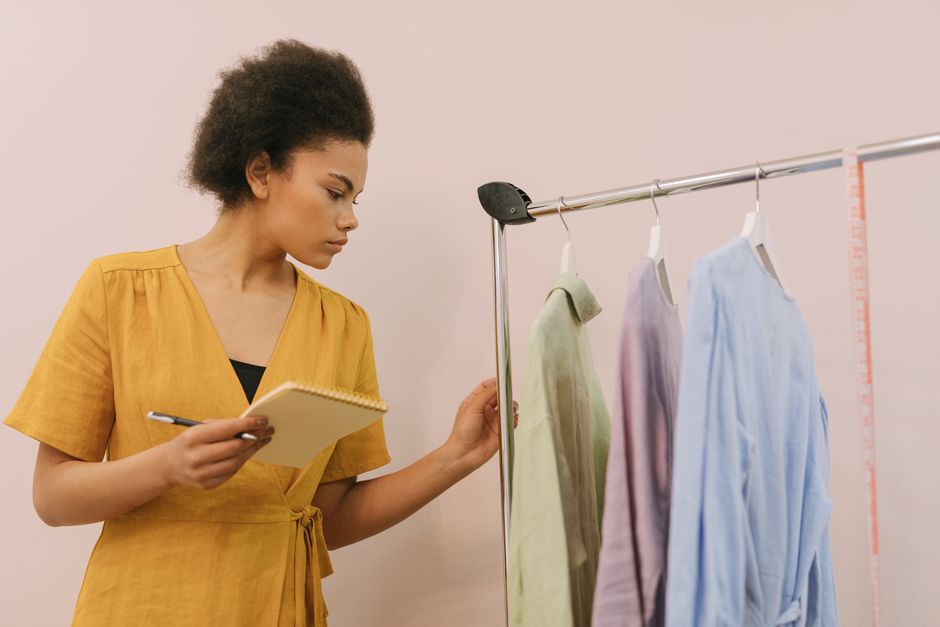
My final 20 included four T-shirts, two button-down shirts, two knit sweaters, three pairs of trousers or jeans, one skirt, two dresses, one blazer, one denim jacket, one wool coat, one cardigan, and one pair of lightweight seasonal trousers. The mix was not glamorous. It was functional, which made it easier to repeat.
The most expensive purchase was a COS merino wool cardigan at about $150. It replaced three cheap cardigans that had stretched, pilled, or lost their shape. I also kept an Everlane Way-High Jean at $98 because the straight fit worked with nearly every top. Neither item was a bargain in isolation, but both cost less per wear than the fast-fashion pieces they replaced.
What I stopped buying
I cut novelty tops, uncomfortable trousers, event-only dresses, and anything that needed special styling to look finished. I also stopped buying a cheaper version of something I already owned. That rule removed most impulse purchases before they reached checkout.
Two practical checks helped. First, I sat down and walked around in every bottom for five minutes. Waistbands that dug in became obvious. Second, I washed knitwear according to the care label before deciding it was a keeper. An item that needs constant babying is not a low-cost item if it prevents regular wear.
Where the money went
Four basics came from Uniqlo, including a Supima Cotton T-Shirt priced at $24.90. I kept two because the fabric held its shape after repeated washing. A Quince Mongolian Cashmere Sweater cost $100 and felt soft, but it required careful storage and did not earn as many wears as the cheaper cotton layers. That was a useful reminder: price and quality are not the same score.
My replacement spending totaled about $632 over three months. I bought fewer items, but I paid for better fit in the pieces that carried the most outfits. The clear winner was the Everlane jean; the weakest purchase was the cashmere sweater because its care demands did not match my routine.
How to Build a Small Wardrobe Without Regret
Use this five-step buying order
- Track real outfits for two weeks. Write down what you wear, not what you wish you wore. Repeated combinations show the actual foundation of your closet.
- Remove obvious failures first. Set aside clothing that pinches, rides up, stains easily, or only works with one specific item. Do not shop around a problem piece.
- Choose a two-color base. I used black and cream, then added denim and one muted accent color. A simple palette made mixing easier without making every outfit look identical.
- Buy in two rounds. Fill the largest gaps first, then wait 30 days. The waiting period exposes fake gaps caused by boredom or sale emails.
- Test the cost per wear. Divide the price by realistic uses. A $120 jacket worn 60 times costs $2 per wear. A $35 top worn twice costs $17.50 per wear.
Watch the payment trap
I paid in cash rather than using buy-now-pay-later credit. A card with a 0% promotional APR can reset to roughly 24.99% to 29.99% APR after the offer ends. Some installment plans advertise 0% APR, while other offers can reach 36% APR, with late fees commonly ranging from $7 to $15. Those charges erase the savings from buying a supposedly affordable item.
My recommendation is simple: create the wardrobe from money already available, and keep a 30-day pause for anything outside the plan. This is not financial advice. It is a spending rule that made the experiment easier to judge because I was measuring clothing value rather than debt pressure.
Do not confuse fewer pieces with fewer rules
A small wardrobe still needs maintenance. Wash less often when airing out is enough, repair loose buttons quickly, and store knitwear folded. The goal is not to own the smallest possible number. The goal is to make each piece easy to wear and cheap enough to keep.
Which Pieces Earned Their Place?
My strongest recommendation is the boring, repeatable piece that solves several outfit problems. Trend value mattered less than fit, wash performance, and the number of settings where I could wear the item. The table shows the clearest winners from my 90-day test.
The pieces with the best cost per wear
| Item | Price paid | Approximate wears | Verdict |
|---|---|---|---|
| Uniqlo Supima Cotton T-Shirt | $24.90 | 31 | Best basic for frequent washing |
| Everlane Way-High Jean | $98 | 27 | Best everyday bottom |
| COS Merino Wool Cardigan | $150 | 22 | Best polished layer |
| Quince Mongolian Cashmere Sweater | $100 | 11 | Soft, but not essential |
| Levi’s 501 Original Jeans | $79.50 | 19 | Best relaxed alternative |
When not to copy my choices
Do not buy the COS cardigan if you dislike wool, need machine-wash-only clothing, or rarely dress in layers. Pick cotton instead. Do not buy the Everlane jean if a rigid or high-rise fit makes you uncomfortable; the Levi’s 501 was less sleek but easier for casual days. The cashmere sweater is the easiest item to skip. It looked refined, yet the cost per wear was far higher than my washable knits.
Bottom Line: For one dependable daily uniform, choose the Uniqlo T-shirt and Everlane jean. For a polished office layer, choose the COS cardigan. For low-maintenance dressing, skip cashmere and buy washable cotton or merino instead.
What Changed After 90 Days?
Did I miss fast fashion?
Less than I expected. I missed browsing more than I missed the clothes. Fast fashion offered constant novelty, but most of those purchases solved no clear wardrobe problem. After the first month, sale alerts became easier to ignore because I could see exactly what the new item would replace.
Was 20 pieces enough for every situation?
No. I had to borrow a formal outfit for one wedding and use a separate set of sportswear for exercise. That does not weaken the experiment. It shows that a core wardrobe should support ordinary life, not pretend that one small rail covers work, travel, parties, weather extremes, and hobbies.
Would I recommend the experiment?
Yes, with one adjustment: begin with a 30-piece wardrobe if your closet currently feels chaotic. Once you know your repeat outfits, trim toward 20. Starting too aggressively can create needless replacement shopping, which is still shopping.
The final comparison is straightforward:
- Best value: Uniqlo Supima Cotton T-Shirt, because it handled frequent wear and washing.
- Best investment: Everlane Way-High Jean, because it worked across casual and smart outfits.
- Best polished option: COS Merino Wool Cardigan, if you accept careful care.
- Easiest cut: Quince Mongolian Cashmere Sweater, because softness did not overcome low wear frequency.