Best Running Shoes Men 2026: I Compared 4 Men’s Running Shoes—The Best Fit for Each Run
You want one pair that feels good on a morning run, looks sharp with casual clothes, and does not leave your feet aching by lunch. The right choice starts with foot shape and running surface, not a famous logo.
What should a men’s running shoe actually solve?
A running shoe has one basic job: manage repeated impact while keeping your foot moving in a stable, natural line. Every step sends force from the ground through the outsole, midsole, heel, ankle, and knee. Cushioning softens that contact, but soft is not automatically better. A shoe that feels like a mattress can feel slow, unstable, or tiring after several miles.
Match the shoe to the surface
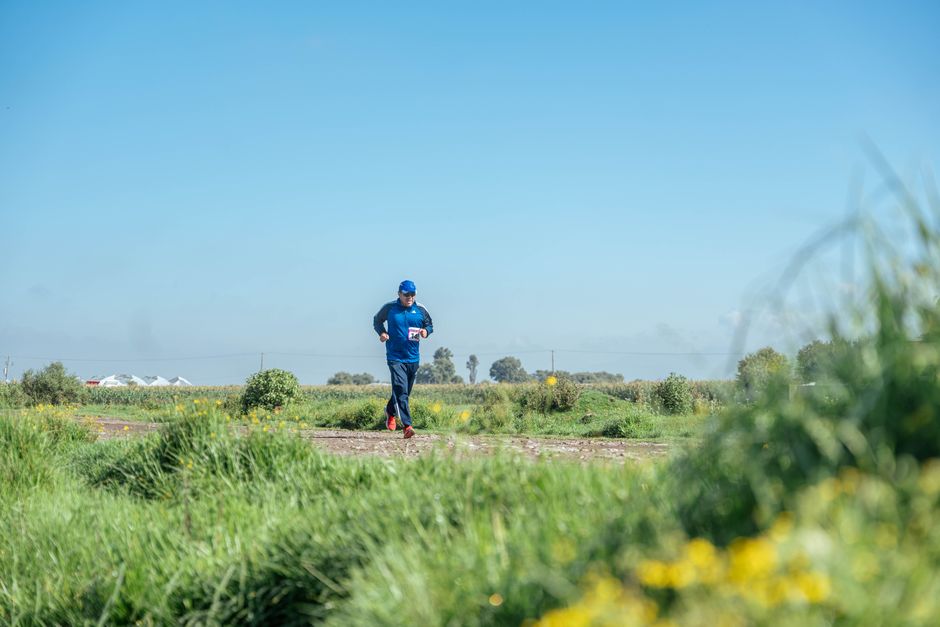
Road shoes use flatter rubber and smooth foam for pavement, sidewalks, treadmills, and packed paths. Trail shoes add deeper lugs and tougher uppers for loose dirt, wet roots, and rocks. Wearing a road shoe on rough trails can make your foot slide inside the shoe, while a trail shoe on pavement may feel heavy and stiff.
Match the ride to your stride
A neutral shoe suits runners whose ankles stay fairly level during landing. A stability shoe adds guidance for runners whose arches collapse inward under load. The best daily trainer should feel secure without forcing your foot into an unnatural position. My clear rule: choose the least corrective shoe that feels stable during a ten-minute walk and a short test run.
How to measure your feet before buying
Do this , when your feet are slightly larger. Wear the socks you plan to run in, then measure both feet because one foot is often longer or wider.
- Place a sheet of paper on a hard floor and stand with your heel against a wall.
- Trace or mark the longest toe on each foot. Measure from the wall to that mark in centimeters.
- Measure the widest part across the ball of each foot.
- Use the larger foot measurement when checking the brand size chart.
- Leave about 10 to 12 millimeters between your longest toe and the front of the shoe.
Check the fit in motion
Walk downstairs, bend your knee, and jog in place. Your heel should stay planted, the midfoot should feel held, and your toes should spread without touching the upper. If your little toe rubs during this test, do not expect the mesh to fix the problem later.
Use width sizing instead of sizing up
A wide forefoot usually needs a wide version, not an extra-long shoe. Sizing up can leave too much space behind the heel and create sliding. This is the fastest way to prevent blisters before you compare colorways or prices.
Which shoes win for everyday road miles?
The table below focuses on shoes that can handle regular road running while still working with jeans, joggers, and relaxed trousers. Prices are current U.S. list or observed official prices and can change with color and size.
| Model | Price | Weight | Drop | Best use |
|---|---|---|---|---|
| Nike Pegasus 41 | $145 | 297 g | 10 mm | Best all-rounder |
| Brooks Ghost 17 | $170 | 286 g | 10 mm | Comfortable daily miles |
| ASICS GEL-KAYANO 31 | $165 list | 305 g | 10 mm | Guided stability |
| On Cloudsurfer 2 | $160 | 261 g | 8 mm | Light daily wear |
Best overall: Nike Pegasus 41. Its ReactX foam, dual Air Zoom units, breathable mesh, and 10 mm drop make it the safest single-pair choice for new runners and mixed daily wear. Choose the Brooks Ghost 17 for a softer, calmer ride. Pick the ASICS model only when you need more guidance, and choose the On Cloudsurfer 2 when low weight and a clean fashion silhouette matter most.
For style, the Pegasus 41 is the easiest winner
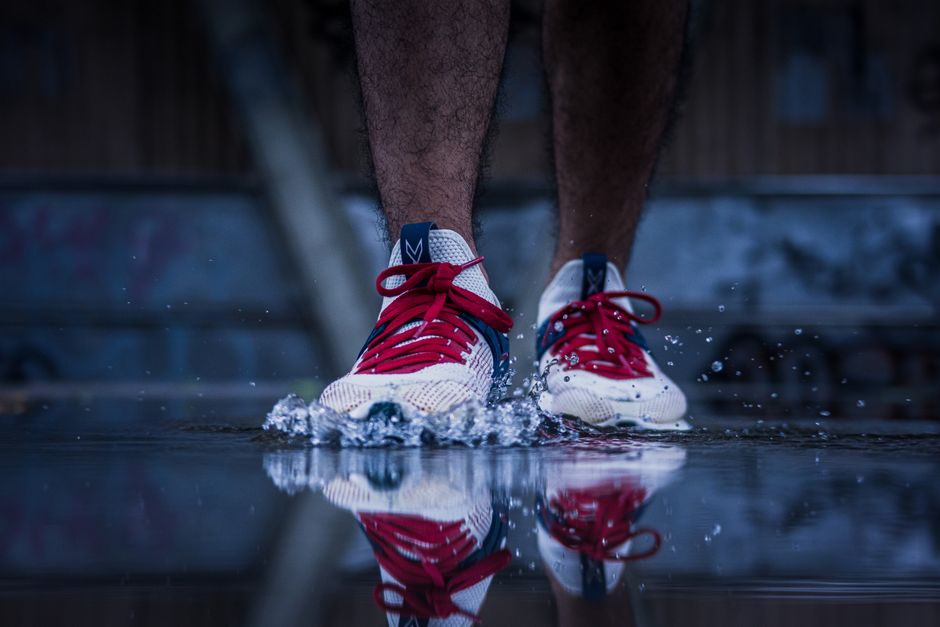
Buy the Nike Pegasus 41 if you want running performance without the overly technical look. The 10.5-ounce weight, 10 mm drop, and wider platform give it enough structure for daily miles, while the streamlined upper works with straight-leg jeans, nylon pants, and neutral athletic layers; the best color is a black, white, or grey version because it can move from a morning run to a coffee shop without making the outfit look like race-day kit, while the Brooks Ghost 17 is the better comfort pick for long walking days and the On Cloudsurfer 2 is the sharper choice for minimalist outfits, but the Pegasus has the strongest balance of price, recognizable shape, practical cushioning, and easy color coordination for a man buying one pair.
Do you need a stability shoe or a neutral shoe?
Do flat arches automatically require stability?
No. Arch height alone does not decide the shoe. What matters is how your foot behaves while walking and running. If your knees feel steady and your shoe wear is even, a neutral trainer can work with a low arch. If your ankle rolls inward and your feet feel tired quickly, guided support may help.
When is the ASICS GEL-KAYANO 31 the better pick?
The GEL-KAYANO 31 is the better pick for runners who want a stable platform, extra structure, and a secure fit over a light, flexible feel. Its official technical sheet lists a 305 g men’s weight, a 10 mm offset, and multiple width options. That makes it useful for wider feet or runners who dislike a loose upper. The tradeoff is clear: it feels more substantial than the 261 g On Cloudsurfer 2. Do not buy it only because stability sounds safer. Buy it when your stride actually feels more controlled in it.
Five mistakes that make good running shoes feel bad
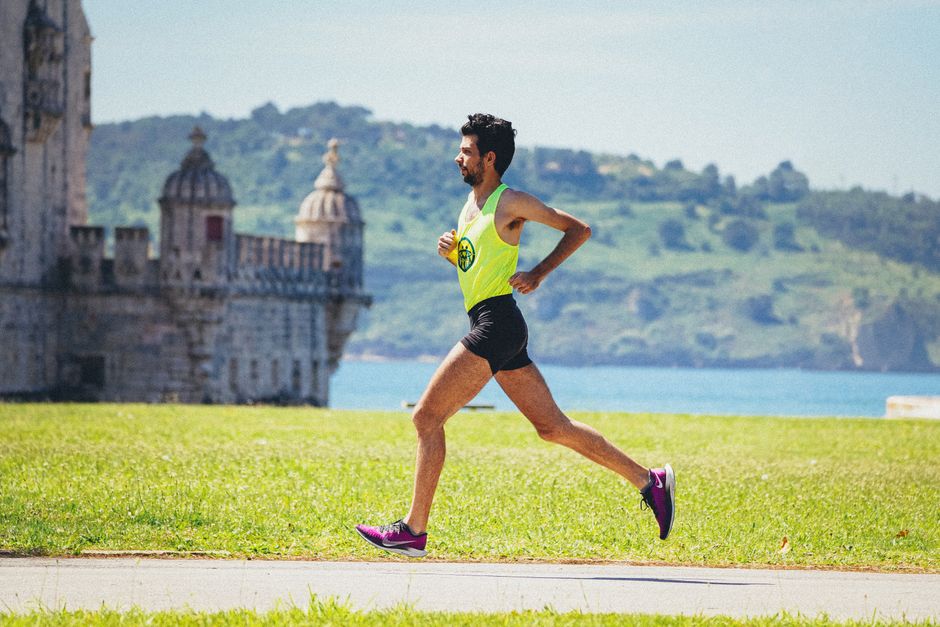
Many shoe complaints come from the purchase process, not the foam. Avoid these errors before blaming the model.
- Buying the same size in every brand: a men’s 10 in Nike may not fit like a men’s 10 in ASICS or On.
- Testing shoes in thin socks: use your real running socks so the forefoot does not become tight later.
- Ignoring the heel: a roomy toe box is useful, but a slipping heel creates friction and weakens control.
- Running too far on day one: start with 20 to 30 minutes before using a new pair for a long run.
- Choosing fashion over surface: a smooth lifestyle sneaker is not a trail shoe, even when the outsole looks chunky.
Replace comfort before the upper fails
Do not wait for a hole in the mesh. If the midsole feels flat, your usual route feels harsher, or the outsole is worn smooth at the heel, the shoe may have lost its useful ride. Track mileage in your phone and check the shoe every 80 to 100 miles.
My fastest buying decision for men
Choose the Nike Pegasus 41 for most road runners, the Brooks Ghost 17 for soft everyday comfort, the ASICS GEL-KAYANO 31 for clear stability needs, and the On Cloudsurfer 2 for a lighter fashion-led look. Start by measuring both feet, leave a thumb-width of space at the toe, and test the pair with your normal socks. Skip any model that rubs, slips, or makes your stride feel forced during the first ten minutes.
Use the 30-minute test
Walk for five minutes, jog for ten, then stand and move through a few stairs. Your toes should stay relaxed, your heel should remain locked, and the shoe should feel supportive without demanding attention. That test gives you more useful information than a bright colorway or a long feature list.
Final outfit and running verdict
For the man who opened this search looking for one dependable pair, the black or grey Pegasus 41 is the finished answer: comfortable enough for the run, clean enough for everyday outfits, and simple enough to buy without a long fitting process.