Minimalist Style vs Maximalist Style: Choose Your Fit
You get dressed for dinner, change three times, and still feel that the outfit is saying the wrong thing. The usual advice makes the problem worse by treating minimalist style as boring and maximalist style as chaotic. After years of testing both, I see them as two different ways to control attention: one edits the outfit, while the other directs the eye. The right choice is the style system you can repeat on an ordinary Tuesday, not the look that photographs best once.
Minimalist and Maximalist Style Solve Different Problems
Minimalism removes visual noise
Minimalist style works when your closet feels loud, crowded, or hard to combine. Its real job is not to make you look expensive; it reduces the number of decisions between your alarm and the front door. A limited palette, clean lines, and repeated silhouettes let fabric quality, fit, and grooming carry the outfit. I prefer this approach for workdays, travel, and any week when I need clothes to cooperate. Minimalism also exposes weak purchases quickly. A badly cut white shirt cannot hide behind a busy print, so you learn to judge shoulder seams, trouser breaks, sleeve length, and fabric weight instead of chasing decoration.
Maximalism adds a clear point of view
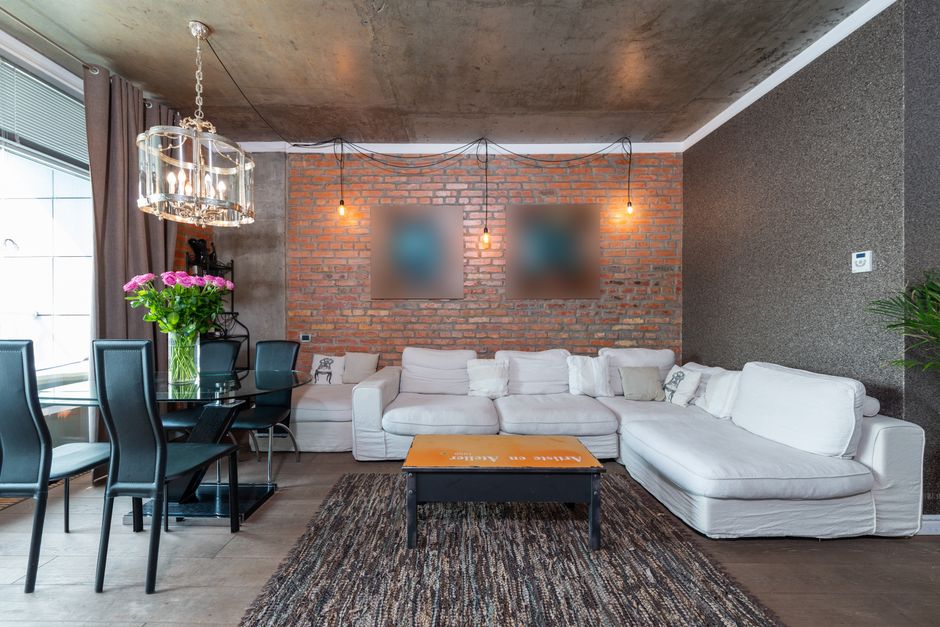
Maximalist style solves the opposite problem: a safe wardrobe that says nothing about the person wearing it. Pattern, color, jewelry, unusual proportions, and texture create a focal point before anyone studies the details. Good maximalism still needs control. I use one dominant idea, then keep two supporting elements quiet enough to let it breathe. My verdict is simple: choose minimalist style if getting dressed should feel calm and fast; choose maximalist style if clothes are one of your favorite ways to communicate mood, humor, or confidence.
Use This Outfit Test Before You Choose a Style
Compare the outfit rules, not the labels
Stand in front of a full-length mirror and describe the outfit without using words such as chic, edgy, or flattering. Count colors, visible patterns, hard edges, soft textures, and competing focal points. This quick audit tells you more than a personality quiz.
| Outfit measure | Minimalist target | Maximalist target | Warning sign |
|---|---|---|---|
| Visible colors | Two or three | Four or more | Every item demands attention |
| Statement pieces | One at most | Two or three | No clear focal point |
| Silhouette | One repeated shape | Mixed proportions | Clothes fight your body line |
| Texture | One quiet contrast | Several obvious contrasts | The outfit feels flat or overloaded |
| Accessory scale | Small and deliberate | Large or layered | Accessories look accidental |
Let your real week make the decision
If you commute, wash clothes often, and need five-minute outfits, minimalist rules will earn their keep. If your wardrobe already has strong basics and you keep buying pieces that feel too interesting to leave unworn, maximalism may be the better release valve. Do not choose based on an aspirational life. Choose the system that matches your calendar, laundry routine, comfort limits, and willingness to style each morning. The clear winner is the style that survives your least glamorous day.
Build a Style System That Does Not Collapse After Two Weeks
Start with the visual problem underneath the trend
Clothing exists to solve several practical problems at once. It covers the body, manages temperature, allows movement, signals belonging, and helps other people read a situation quickly. Minimalist and maximalist wardrobes simply rank those jobs differently. Minimalism puts repeatability first. It asks, can this shirt work with four bottoms and two pairs of shoes? Maximalism puts expression first. It asks, does this look create a strong mood without turning into costume?
The mistake is copying the surface before understanding the rule. A beige wardrobe is not automatically minimalist if every item has a different cut and nothing fits together. A floral dress is not automatically maximalist if the rest of the outfit is so quiet that the print carries the entire look. The system lives in the relationship between pieces.
Use a five-step fitting process
- Pick a silhouette base. Choose fitted, straight, relaxed, or oversized as your main shape. Do not change every proportion at once.
- Set a color limit. Minimalists can begin with three colors per outfit. Maximalists can use four or five, but one color should repeat twice so the look has an anchor.
- Choose the focal point. Decide if attention goes to the jacket, trousers, shoes, print, or jewelry. Everything else supports that choice.
- Add contrast on purpose. Pair matte with shine, soft with structured, or slim with generous. Contrast creates interest without requiring more clothes.
- Wear-test the outfit for six hours. Sit, walk, carry a bag, and check the mirror after lunch. A style rule that only works while standing still is not a useful rule.
Fix the failure before buying more
When an outfit feels wrong, do not immediately shop. Remove one item, change the shoe, or alter the tucked-to-untucked ratio. Many wardrobes become expensive because the owner buys new colors to solve a proportion problem. My strongest advice is to repeat the same outfit formula three times before changing the formula. That repetition reveals what actually works and keeps both styles from turning into random accumulation.
Start With These Specific Pieces
Products matter only after you know the visual job a piece must perform. I would not start with a shopping haul. I would test one inexpensive base, one dependable bottom, and one item with enough personality to show which direction feels natural.
For a quieter wardrobe
- Uniqlo U Crew Neck Short Sleeve T-Shirt, $19.90: a low-risk way to test a clean, structured base without spending designer money.
- COS Clean Cut T-Shirt, about $45: better for someone who wants a sharper neckline and a more sculpted shape than a standard undershirt.
- Everlane The Way-High Jean, $98: a high-rise, straight-leg option that gives simple tops a clear proportion instead of letting the outfit look unfinished.
For a louder wardrobe
- FARM Rio Printed Midi Dress, about $248: the print does most of the styling work, making it a useful test of maximalist dressing rather than a tiny accent.
- Dr. Martens 1461 Oxford, $170: a substantial shoe that can ground a bright dress or make a plain outfit feel more deliberate.
My product verdict is the Uniqlo U tee for someone testing minimalism and the FARM Rio dress for someone testing maximalism. Do not buy both on the same day. Wear each with clothes you already own, then notice which one makes getting dressed easier instead of creating another styling assignment.
My Clear Pick for a Wardrobe That Gets Worn
For most people, I recommend a minimalist base with one maximalist accent. It gives you the speed and repeatability of simple dressing without draining the personality from your closet. A restrained outfit also makes a dramatic shoe, colorful bag, or printed layer look intentional rather than noisy.
Choose the formula that matches the job
| Goal | Best route | Reference spend | Why I choose it |
|---|---|---|---|
| Fast everyday outfits | Uniqlo U tee plus Everlane jeans | $117.90 | Simple, repeatable, and easy to adjust with shoes |
| Sharper office dressing | COS tee plus Everlane jeans | About $143 | Cleaner structure without formal suiting |
| Expressive weekend look | FARM Rio dress plus Dr. Martens 1461 | About $418 | Strong color and grounded footwear create balance |
Know when not to buy the statement piece
Skip the maximalist purchase if you cannot name three occasions for it, or if its care instructions conflict with your routine. A beautiful dry-clean-only dress that stays in the closet is less useful than a plain washable shirt you wear twice a week. Buy the expressive item when it fills a real gap, not when it merely proves that you are adventurous.
Know when minimalism has gone too far
Minimalism needs a stopping point. If every outfit is the same black knit, straight trouser, and plain sneaker, add texture or one personal detail before buying another basic. The best wardrobe has a recognizable base and enough variation to keep you interested.
Questions That Settle the Minimalist vs Maximalist Debate
Can I mix minimalist and maximalist style?
Yes, and most strong wardrobes do. Keep the shape simple, then add one loud color, print, sculptural earring, or unusual shoe. This creates contrast without requiring a fully maximalist closet. If the result feels messy, remove the smallest accessory first; too many minor accents often cause more trouble than one major statement.
Which style looks more expensive?
Minimalist style looks polished faster because poor fit has nowhere to hide. That does not make it automatically richer. A maximalist outfit can look refined when the colors repeat, the fabric has body, and the statement pieces are balanced by quiet areas. Fit and condition matter more than the number of colors.
Which style should a beginner choose?
Start with minimalist structure, then borrow maximalist details. Build around one reliable silhouette, keep three colors in the outfit, and add one item that feels unmistakably yours. This approach teaches proportion, color, and editing without forcing you to replace your closet. The single most important takeaway is that minimalist style gives you control through restraint, while maximalist style gives you control through deliberate excess.