Best Leggings Cold Weather: Best Cold-Weather Leggings for Warmth and Layering
The best cold-weather leggings combine insulation, stretch, and a close fit that works under jeans, skirts, or a long coat. For most daily outfits, fleece-lined leggings are the strongest choice; merino layers win when you need warmth without bulk.
Fashion guidance does not replace a garment care label or professional advice. This is not legal advice — consult a licensed attorney.
What makes leggings warm enough for cold weather?
Warmth comes from trapped air, fabric density, and protection from moving wind. A thin legging can feel warmer than a thick one if its inner surface holds heat and its outer surface blocks drafts. The right pair should also stay dry, because damp fabric pulls heat away from the skin quickly.
Start with fabric weight
Look for a brushed or fleece interior when temperatures sit between 25 and 45 degrees Fahrenheit. The raised fibers create small air pockets against the skin. A fabric weight around 200 to 300 grams per square meter gives noticeable insulation while keeping enough stretch for walking and sitting. Very thin fashion leggings often look opaque indoors but turn cold outdoors because they lack this inner texture.
Treat wind as a separate problem
Fleece does not automatically block wind. If you spend time outside in exposed areas, choose a tight with a dense nylon face or a wind-resistant panel around the thighs and knees. A high waist helps seal the gap beneath a sweater, while ankle-length hems stop cold air from entering boots. My clear verdict: for ordinary winter errands, choose brushed fleece; for windy commutes, choose fleece plus a smooth, tightly woven outer face.
Which winter legging fabrics insulate best?

No single fabric wins every cold-weather situation. Synthetic fleece offers the most warmth for the price, merino regulates temperature well, and dense nylon handles wind and repeated wear better than soft fashion jersey.
Use this quick fabric comparison
| Fabric | Warmth | Best use | Main drawback |
|---|---|---|---|
| Brushed polyester | High | Daily winter outfits | Can hold odor |
| Merino wool | Medium to high | Long outdoor days | Higher cost |
| Nylon blend | Medium | Windy active wear | Less cozy inside |
| Cotton blend | Low | Indoor lounging | Stays damp when wet |
Read the fiber content before the color
A useful winter blend often includes polyester or nylon for structure, elastane for movement, and a brushed interior for softness. Cotton can feel pleasant at first but becomes a poor outdoor layer when sweat or snow makes it wet. Merino is the best choice for temperature swings, but it costs more and needs gentler washing. The practical winner for most shoppers is a polyester-elastane fleece blend with a matte outer finish.
How should cold-weather leggings fit?
Fit controls warmth as much as fabric. Leggings should sit close to the body without creating pressure points, folds behind the knees, or a gap at the lower back. A loose pair lets warm air escape; an overly tight pair can feel restrictive and may wear out faster at the seams.
Follow this fitting sequence
- Measure your natural waist and fullest hip, then compare those numbers with the brand’s size chart.
- Choose a waistband that reaches at least two inches above the hip bone if you plan to wear a short sweater.
- Check the inseam against your height. An ankle hem should touch the top of the boot without bunching.
- Look for four-way stretch if you will climb stairs, cycle, or layer the leggings under trousers.
- Inspect the crotch seam and inner thigh before removing tags. Heavy fleece can create extra friction in these areas.
Make the movement test
Squat, sit, raise one knee, and walk several steps in the leggings. If the waistband rolls during the squat, the rise or size is wrong. If the fabric becomes shiny across the hips, it is stretched beyond its comfortable range. If you plan to wear a second layer, test the leggings under your actual jeans or boots. My verdict: a slightly relaxed leg with a stable high waist is better for layering than a compressive fit that feels impressive in the mirror but restricts movement.
Which cold-weather leggings are best for everyday outfits?
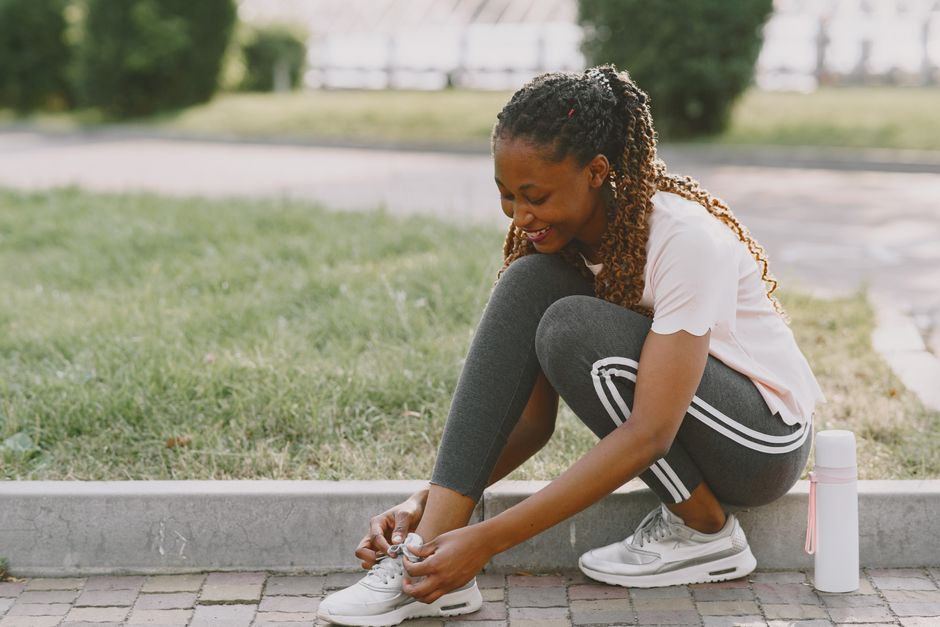
My top everyday pick is the Uniqlo HEATTECH Extra Warm Leggings because the brushed interior, slim profile, and typical retail price of about $29.90 make them easy to wear under dresses, denim, and oversized knitwear.
Best budget layer: Uniqlo HEATTECH Extra Warm
These leggings use a soft synthetic blend with a brushed inside and a claimed warmth level above the regular HEATTECH line. They work best for indoor-to-outdoor outfits, not deep snow or long periods standing still. Choose them when you want a discreet base layer that does not add much bulk beneath straight-leg jeans. The verdict is simple: they are the best value for casual city dressing.
Best polished winter tight: Athleta Rainier Tight
The Athleta Rainier Tight usually sells near $109 and is built with a brushed, supportive fabric designed for cold-weather movement. Its thicker construction looks more finished with a wool coat than thin lounge leggings. It is the better choice for walking, travel, and commuting because the fabric feels substantial without looking like thermal underwear.
Best active option: lululemon Fast and Free Fleece Running Tight
The fleece version of the Fast and Free tight often costs around $128 and suits runners who need stretch, pockets, and a close athletic fit. It is warmer and more technical than a basic fashion legging, but the price is hard to justify for indoor wear. Pick it for outdoor training; pick the Uniqlo pair for ordinary errands.
Are fleece-lined leggings better than merino base layers?
Fleece-lined leggings are better for soft warmth and a lower price. Merino is better for odor control, temperature changes, and repeated wear during travel. The right answer depends on the length of the day and the number of layers above them, but the strongest specific choice for a long outdoor trip is a lightweight merino base layer under a wind-blocking trouser.
Are merino leggings warm without feeling bulky?
Yes. The Smartwool Classic Thermal Merino Base Layer Bottom, often priced around $95, uses a 250-weight merino knit that feels warm without the puffiness of thick fleece. The Icebreaker 200 Oasis Leggings, usually near $100, are lighter and better for layering under slim trousers. Choose Smartwool for colder static activities; choose Icebreaker when your outfit has little extra room.
Can fleece leggings work for exercise?
They can, but only when the outer fabric moves moisture away from the skin. A cozy pair made mainly from cotton may feel hot during activity and cold afterward. For running, look for a drawstring, secure pocket, flat seams, and a smooth outer face. My verdict: use fleece for low-to-moderate activity in dry cold, and use merino or a technical synthetic base layer for long, sweaty sessions.
What works below freezing?
Below 32 degrees Fahrenheit, one legging may not be enough for standing outdoors. Wear a thin merino or synthetic base layer beneath a wind-resistant trouser, especially in wet or gusty weather. Thick fleece leggings alone are comfortable for short walks but cannot replace a protective outer layer in serious cold.
What mistakes make winter leggings feel cold?
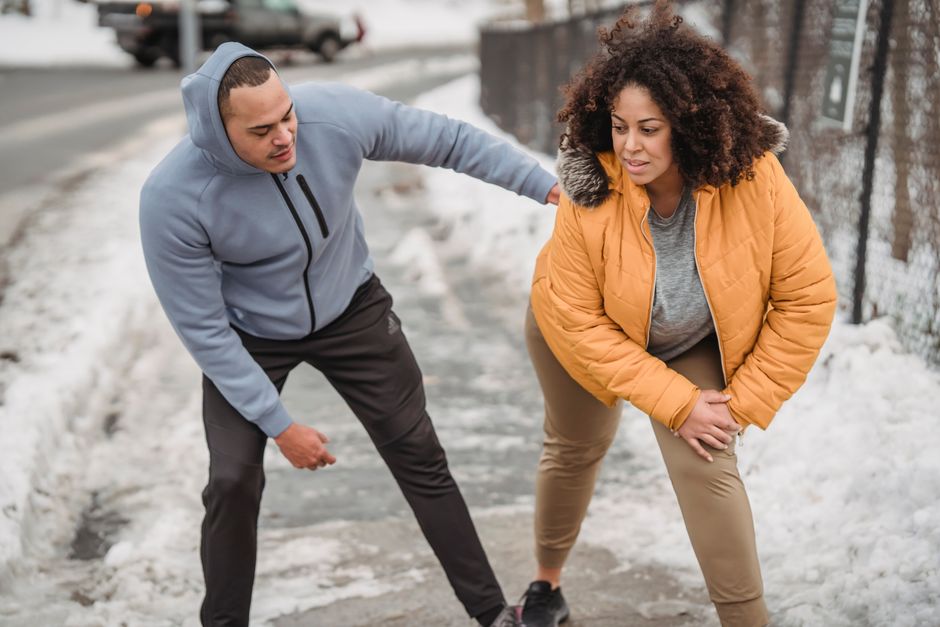
The shortest verdict is this: most cold-weather legging failures come from the wrong layer, not a lack of thickness. A cotton-rich pair, a loose waistband, and exposed ankles can defeat expensive fabric in minutes.
Mistake one: buying based only on opacity
Black fabric that looks opaque is not always warm. Hold the material toward a light and feel the inside surface. If it is smooth, thin, and slick, it may be designed for appearance rather than insulation. Check the product description for brushed, fleece, thermal, or merino construction instead.
Mistake two: sizing down for compression
Smaller is not warmer. Excess tension stretches the knit, reduces its insulating air pockets, and can cause the waistband to roll. It also increases stress at the inner thigh. Buy your measured size and choose genuine compression only when the garment gives a stated compression level.
Mistake three: ignoring the outfit above the legging
A fleece legging under a short jacket leaves the hips exposed. Pair it with a coat that reaches at least mid-thigh, wool socks that meet the hem, and boots with enough room for circulation. If your feet are cold, tightening the leggings will not solve the problem.
Best cold-weather leggings by use case
These are the clearest winners after weighing warmth, bulk, price, and styling range. The best pair is the one that matches the time you will spend outside, not the lowest temperature printed on its label.
Final comparison
| Use case | Best pick | Why it wins | Typical price |
|---|---|---|---|
| Everyday layering | Uniqlo HEATTECH Extra Warm | Warm, slim, easy under jeans | About $29.90 |
| Polished commuting | Athleta Rainier Tight | Dense fabric and finished appearance | About $109 |
| Outdoor running | lululemon Fast and Free Fleece | Stretch, pockets, athletic construction | About $128 |
| Long cold-weather travel | Smartwool 250 Merino | Warmth and odor control | About $95 |
| Light layering under slim pants | Icebreaker 200 Oasis | Thin merino with flexible movement | About $100 |
For most fashion readers, the Uniqlo HEATTECH Extra Warm Leggings are the best starting point. Choose the Athleta Rainier when the outfit needs a more structured finish, and move to merino when the day is long, active, or difficult to manage with frequent clothing changes.