Build a Hybrid Work Wardrobe That Works in 2026
A hybrid work wardrobe has to handle three settings: the home desk, the video call, and the office commute. The smartest version is a small capsule with polished tops, comfortable bottoms, and layers that can change the mood of an outfit in under a minute.
Start with a 12-piece hybrid work checklist
The best starting point is not a new outfit for every workday. It is a small group of pieces that share colors, fit different levels of formality, and still feel comfortable after several hours at a desk. Choose two neutral base colors, such as black and navy or charcoal and camel, then add one accent color.
The 12 pieces that cover most workweeks
| Category | Quantity | What to look for |
|---|---|---|
| Tailored trousers | 2 | One dark pair and one medium neutral pair with stretch |
| Structured blazer | 1 | Soft shoulder construction and a sleeve that reaches the wrist bone |
| Fine-knit cardigan | 1 | Light enough for indoor heating and video calls |
| Polished shirts | 3 | Opaque fabric, clean collar, and sleeves that stay in place |
| Elevated knit tops | 2 | Fine-gauge cotton, merino, or washable silk |
| Midi skirt or dress | 1 | Comfortable waist and a hem that works with flats |
| Loafers or low heels | 1 | Stable sole and enough room for a full workday |
| Clean sneakers | 1 | Minimal branding and a structured shape |
The easiest color formula
Use the trousers as the anchor. A black trouser can work with a white shirt, pale blue knit, camel cardigan, or printed blouse. A navy trouser can take the same tops with brown loafers or black sneakers. The capsule works because every top matches at least two bottoms and every layer fits over at least three tops.
For a practical example, Uniqlo Smart Ankle Pants at about $49.90 provide a lower-cost starting point, while the Everlane Clean Silk Relaxed Shirt at about $168 adds a more polished top layer. The verdict is clear: build the two neutral bottoms first, then add tops.
Dress for the camera before styling the full outfit

Video calls frame your face, shoulders, and upper chest. That makes the top half of the outfit more important than the shoes on remote days. You can wear simple trousers off-camera, but a wrinkled neckline, busy print, or low-contrast color can make the entire outfit look unfinished.
Use this five-step camera check
- Stand in front of your work camera in daylight and check how the neckline sits from the seated position.
- Choose a solid color that contrasts with your wall or chair. Cream against a pale wall disappears; navy usually reads clearly.
- Keep collars flat and avoid thin stripes that can flicker on screen.
- Check the shoulder line. A dropped shoulder can look relaxed in person but shapeless in a small video window.
- Keep one structured layer within reach. A blazer or cardigan can turn a plain knit into a meeting-ready outfit.
Fix the seated fit
Try every work top while sitting, not only while standing. A shirt that looks neat in a mirror may pull across the buttons, rise above the waistband, or expose too much fabric when you lean toward a laptop. Look for at least two inches of ease across the bust and enough length to stay tucked during a 60-minute meeting.
The strongest rule is simple: make the neckline and shoulders intentional, then let the rest of the outfit stay comfortable. This approach prevents the common mistake of buying formal pieces that look good in a standing fitting room but fail at a desk.
Choose fabrics that survive a split workday
Fabric controls how professional an outfit looks after commuting, sitting, carrying a laptop, and moving through different temperatures. The goal is not luxury for its own sake. The goal is a surface that resists wrinkles, a stretch level that allows movement, and a care routine you can manage on a normal Sunday.
Build around a three-fabric mix
Start with a compact wool blend, ponte, or stretch twill for trousers. These fabrics hold a crease better than thin jersey and usually recover after sitting. For tops, use cotton poplin, merino, or washable silk. Cotton looks crisp but may crease at the elbow. Merino handles temperature changes well but can pill if washed roughly. Washable silk looks sharp on camera, though it needs a mesh bag and low-heat drying or air drying.
J.Crew’s Sophie Blazer, often priced around $278, is a useful reference for a structured layer because the shape reads clearly on camera. The Everlane washable silk shirt, around $168 at full price, suits people who want a softer drape. My pick for most beginners is a midweight stretch blazer and cotton shirt first; add silk only after the care routine feels realistic.
Avoid the fabrics that create workwear problems
Thin rayon can cling after a commute. Very loose linen can look rumpled before the first meeting. Heavy sweater knits may overheat indoors and create a bulky shape under a jacket. Shiny polyester can reflect a ring light and make a simple blouse look cheaper on screen.
Check the care label before buying. If a garment requires dry cleaning after every wear, it is a poor foundation for a three-day home, two-day office schedule. Choose machine-washable or hand-washable pieces for frequent rotation and reserve high-maintenance items for important presentations.
Spend first on the pieces people notice
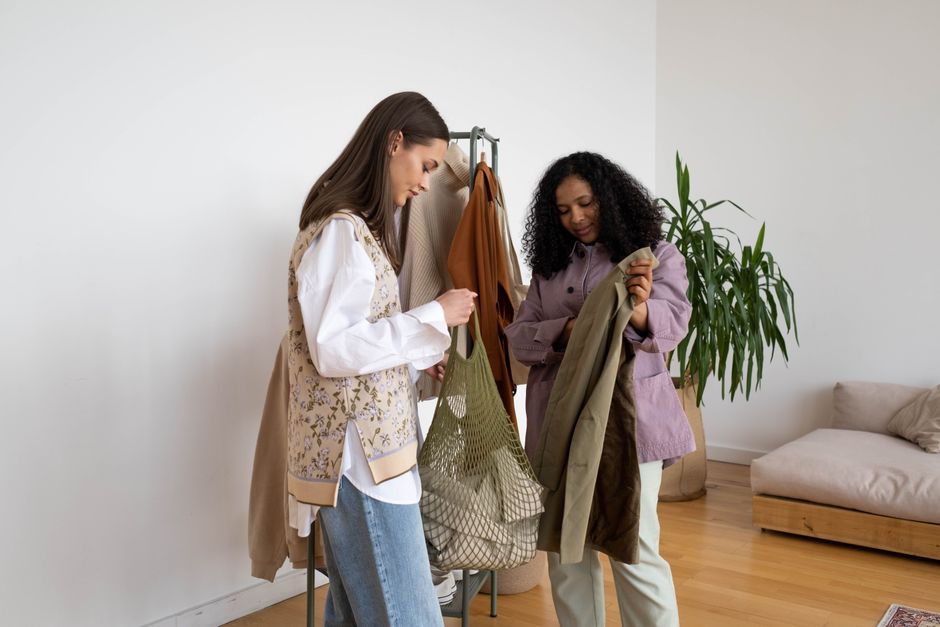
Put the first serious clothing budget into the blazer, trousers, and shoes. Those pieces create the outline of an outfit, survive repeated wear, and make inexpensive tops look more deliberate. A $150 pair of comfortable loafers can improve five outfits more than a fifth blouse.
Use a simple budget order
- Buy one dark trouser with a clean hem and no visible pulling at the hip.
- Add one blazer that closes comfortably and does not strain across the back.
- Choose one office-ready shoe with a cushioned footbed and a stable heel under two inches.
- Fill gaps with affordable shirts, knits, and accessories.
Nisolo Ama Woven Loafers, around $150, suit a polished casual office because the woven upper adds interest without a loud logo. Cole Haan GrandPrø Topspin Sneakers, around $150, are the better choice for a commute-heavy week because their low-profile shape works with trousers, skirts, and dresses. For a strict office, choose the loafers. For long walking days, choose the sneakers.
Know when not to buy a blazer
Skip the blazer if your workplace is fully remote and your meetings rarely include clients. Use a neat cardigan or collarless jacket instead. Also skip a second pair of dress shoes if your current pair causes blisters or has a worn sole. Comfort is part of a professional wardrobe because discomfort changes posture, walking speed, and how long you can stay focused.
Hybrid wardrobe questions to answer before shopping
How many outfits do I need for a five-day week?
Start with five complete combinations, not five unique outfits. Two trousers, three tops, one dress or skirt, and two layers can create a full week with minor changes. Repeat a trouser freely, but change the top, layer, or shoe so the outfit still feels fresh.
Should home-office clothes be different?
They can be softer, but they should still pass the camera test. A fine knit, ponte trouser, or clean button-front shirt gives you comfort without making an important call feel like a weekend video chat. Keep one complete meeting outfit on a nearby hanger for days when your calendar changes suddenly.
What is the biggest buying mistake?
Buying isolated statement pieces is the fastest way to create a full closet with nothing to wear. Before purchasing, name at least three existing pieces that match the item. If you cannot, leave it in the fitting room. A hybrid work wardrobe succeeds through repeatable combinations, not constant novelty.