Best Men’s Wedding Gift Watches 2024: Selection Guide and Technical Review
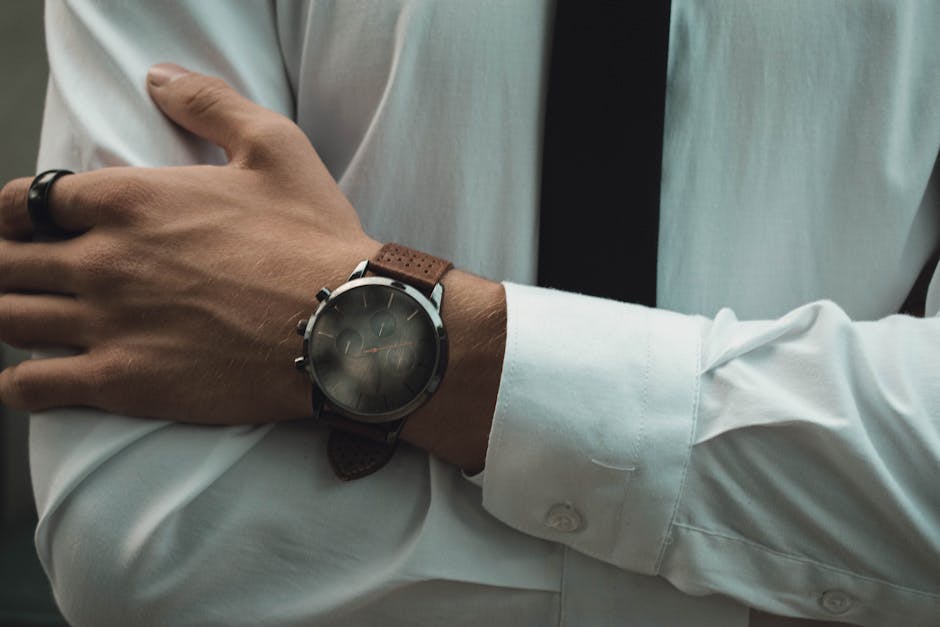
A common misconception persists in the world of matrimonial gifting: the idea that a wedding watch must be a delicate, gold-plated dress piece that spends 364 days a year in a velvet-lined box. This narrow definition often leads gift-givers toward aesthetic choices that fail the test of long-term utility. In reality, the modern groom benefits far more from a timepiece that bridges the gap between ceremonial elegance and daily reliability. A watch given on a wedding day is not just an accessory; it is an entry into the groom’s permanent collection, intended to mark a specific point in time while remaining functional for decades. Selecting the right model requires looking past the brand name and investigating the movement architecture, case finishing, and historical significance of the piece.
When evaluating the best watches for men wedding gift options, we must look at the concept of ‘Versatility-to-Value.’ A watch that only looks good with a tuxedo is a missed opportunity. The goal is to find a timepiece that complements a navy suit during a business meeting just as effectively as it does a casual linen shirt on a honeymoon. This necessitates a deep dive into technical specifications—water resistance, power reserve, and crystal durability—to ensure the gift survives the rigors of a life lived together, rather than just the four hours of a reception.
Evaluating the Wedding Watch Misconception and Groom Archetypes
The traditionalist view suggests that a wedding watch must have a white dial, a black leather strap, and two hands. This is a vestige of mid-century formal codes that have largely evaporated. Today, the choice of a wedding gift should align with the groom’s lifestyle archetypes. For the Corporate Professional, a classic integrated bracelet sports watch provides a seamless transition from the altar to the boardroom. These watches, often characterized by their 100-meter water resistance and brushed steel finishes, offer a level of durability that traditional dress watches lack. The technical appeal here lies in the balance; you are looking for a case thickness under 12mm so it slides effortlessly under a French cuff, yet possesses enough structural integrity to withstand a weekend at the lake.
Conversely, the Design Enthusiast might prefer something with architectural merit. For this groom, the movement’s origin and the dial’s texture matter more than brand recognition. You might look toward Japanese horology, specifically pieces that utilize Zaratsu polishing—a technique that creates a mirror-like finish without distortion. This archetype values the ‘hidden’ details, such as a heat-blued steel second hand or a hand-wound caliber that allows for a thinner case profile. By identifying these archetypes early in the research process, you avoid the trap of buying a watch based on marketing fluff and instead focus on what will actually resonate with the recipient’s personal aesthetic and functional needs.
Finally, we have the Active Adventurer. Gifting this groom a delicate vintage piece is a recipe for a broken crystal or a water-damaged movement within the first year of marriage. For this individual, the ‘wedding watch’ can and should be a robust diver or a GMT. While some purists balk at the idea of wearing a dive watch with a suit, modern horology has refined these designs. A high-end diver with a ceramic bezel and a tapered bracelet is perfectly acceptable in 2024. The key is the finishing—if the steel is polished to a high standard and the proportions are restrained (think 39mm to 41mm), it serves as a rugged yet sophisticated memento.
Technical Comparison of Top-Tier Horological Gift Options
To make an informed decision, one must compare specific models across different price brackets. The following table outlines the technical specifications of the most frequently recommended pieces for 2024. These selections were chosen based on their movement reliability, brand heritage, and ‘GADA’ (Go Anywhere, Do Anything) capability.
| Model Name | Approx. Price | Movement Type | Case Diameter | Water Resistance |
|---|---|---|---|---|
| Tissot PRX Powermatic 80 | $725 | Automatic (Swiss) | 40mm / 35mm | 100m |
| Seiko Presage ‘Cocktail Time’ | $450 | Automatic (Japanese) | 40.5mm | 50m |
| Tudor Black Bay 58 | $3,900 | In-house Automatic | 39mm | 200m |
| Cartier Tank Must (Large) | $3,300 | High-Autonomy Quartz | 33.7mm x 25.5mm | 30m |
| Grand Seiko SBGW231 | $4,300 | Manual Wind | 37.3mm | Splash resistant |
| Omega Speedmaster Pro | $7,000+ | Manual (METAS) | 42mm | 50m |
Tissot PRX Powermatic 80: The Modern Value King
The Tissot PRX has redefined what an entry-level Swiss watch can be. Its primary strength is the Powermatic 80 movement, which offers a staggering 80-hour power reserve. This means the groom can take the watch off on a Friday evening and it will still be ticking on Monday morning without intervention. The Nivachron hairspring provides excellent magnetic resistance, a critical feature in a world filled with smartphones and magnetic iPad covers.
- Pro: Incredible finishing for the price point; the waffle dial catches light beautifully.
- Con: The integrated bracelet design means you cannot easily swap it for a standard leather strap.
Tudor Black Bay 58: The Heirloom Standard
If the budget allows for a jump into the four-figure range, the Tudor Black Bay 58 is arguably the most balanced wedding gift on the market. It references the 1950s dive watches but utilizes a modern, COSC-certified in-house caliber (MT5402). Its 39mm diameter is the ‘Goldilocks’ size for most wrists, and the matte aluminum bezel gives it a warmth that ceramic cannot replicate. It is a watch that ages with the wearer, developing its own character over decades.
- Pro: 70-hour power reserve and chronometer-grade accuracy (-2/+4 seconds per day).
- Con: The ‘faux rivets’ on the bracelet are a polarizing design choice among enthusiasts.
Cartier Tank Must: The Icon of Elegance
For a groom who favors classic tailoring, the Cartier Tank is peerless. It has been worn by everyone from Andy Warhol to Muhammad Ali. The ‘Must’ collection offers a more accessible entry point. While the quartz movement might deter some purists, Cartier’s high-autonomy quartz is rated for 8 years, offering a ‘set it and forget it’ convenience that many men appreciate. The rectangular case is a refreshing departure from the sea of round watches.
- Pro: Instant brand recognition and a design that has remained relevant for over 100 years.
- Con: Low water resistance; it is strictly a ‘dry’ watch for formal and office wear.
Material Science and Movement Longevity in Heirloom Pieces
When selecting a watch intended to last a lifetime, the materials used in construction are just as important as the name on the dial. Most luxury watches use 316L Stainless Steel, often called ‘surgical grade.’ It is highly resistant to corrosion and can be polished multiple times to remove scratches. However, if you are looking for something even more robust, some brands (like Rolex) use 904L steel, which has higher molybdenum content for extreme acid and chloride resistance. For a wedding gift, 316L is more than sufficient, provided the machining tolerances are high. Look for ‘solid end links’ on the bracelet; if the part of the bracelet that meets the case is a hollow piece of folded metal, the watch will eventually rattle and feel cheap.
The crystal is another non-negotiable technical spec. You must insist on Sapphire Crystal. While vintage-style acrylic (plastic) or mineral glass (hardened glass) have their fans, they scratch easily. Sapphire is second only to diamond in hardness. A wedding watch will inevitably bang against a doorframe or a granite countertop; a sapphire crystal ensures that the face of the watch remains pristine. Some crystals also feature Anti-Reflective (AR) coating. While AR coating on the underside of the crystal is excellent for legibility, coating on the outside can scratch over time, creating unsightly ‘ghost’ marks. A deep researcher will always check if the AR coating is single or double-sided.
The movement is the heart of the gift. While quartz is accurate, a mechanical movement—whether automatic or manual wind—carries an emotional weight. The sweeping second hand of a mechanical watch is a physical manifestation of time passing, powered by the wearer’s own motion or a daily ritual of winding.
In terms of longevity, a mechanical movement can theoretically be repaired forever. Parts for a 50-year-old Omega or Seiko are still available today. Electronic quartz circuits, however, can eventually fail and may become obsolete if the manufacturer stops producing that specific chip. For an heirloom gift, mechanical is the superior choice. Specifically, look for movements with a high beat rate (28,800 vibrations per hour or 4Hz). This creates a smoother sweep of the second hand and generally allows for more precise regulation. If the watch is ‘COSC Certified,’ it has undergone 15 days of testing in different temperatures and positions to ensure it maintains an accuracy of -4 to +6 seconds per day.
Navigating the Logistics of Gifting, Sizing, and Customization
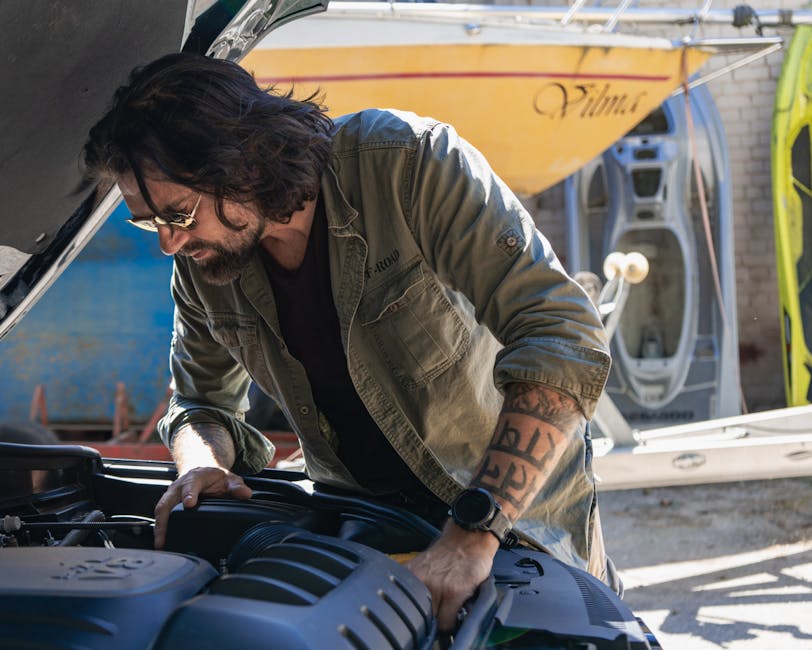
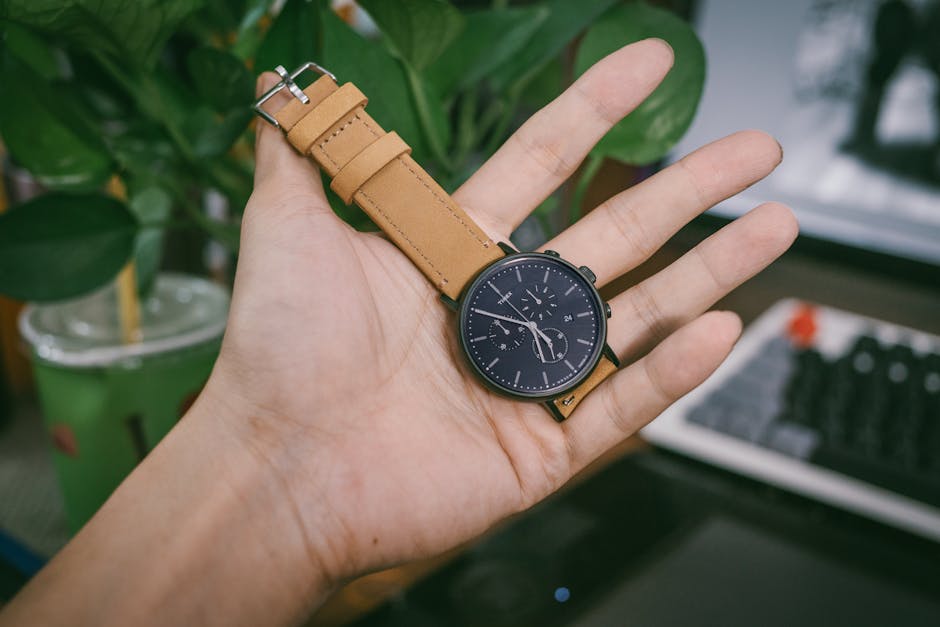
The presentation of a wedding watch is as significant as the technical specs. One of the most frequent mistakes is failing to consider the lug-to-lug distance. While most people focus on the case diameter (e.g., 40mm), the lug-to-lug—the distance from the top tip of the watch to the bottom tip—determines how it actually sits on the wrist. If the lugs overhang the groom’s wrist, the watch will look cumbersome and feel uncomfortable. For a standard 7-inch wrist, a lug-to-lug of 46mm to 48mm is usually the sweet spot. If the groom has a smaller wrist, look for ‘short’ or ‘down-turned’ lugs that hug the arm.
Engraving is the ultimate way to cement a watch as a wedding gift, but it must be approached with caution. Not all case backs are suitable for engraving. A watch with an ‘exhibition case back’ (a glass window showing the movement) leaves very little room for text, usually only a thin perimeter of metal. A solid steel case back is the ideal canvas. When engraving, depth is more important than font style. Light laser etching can rub off over years of friction against skin and hair. Deep diamond-drag or hand engraving is preferable. Keep the message concise: initials, the wedding date, or a short coordinate of where the ceremony took place. Avoid overly trendy phrases; the goal is for this watch to look appropriate when he is 80 years old.
Finally, consider the warranty and service network. A luxury watch is a machine that requires a ‘tune-up’ every 5 to 10 years. Buying from an Authorized Dealer (AD) ensures the groom has a valid manufacturer’s warranty, which usually lasts between 2 and 5 years. While ‘Grey Market’ sellers offer lower prices, they often provide their own third-party warranty, which can be a nightmare to navigate if the movement develops a fault. Gifting a watch with a global service network (like the Swatch Group for Tissot/Omega or the Richemont Group for Cartier) ensures that no matter where the couple moves, the watch can be professionally maintained. This logistical foresight is what separates a thoughtful gift from a mere purchase.
Ultimately, the best watch for a men’s wedding gift is one that balances horological integrity with personal relevance. Whether it is the industrial precision of a Tudor or the refined geometry of a Cartier, the value lies in the intersection of the object’s permanence and the moment it represents. By focusing on sapphire crystals, reliable mechanical calibers, and versatile designs, you ensure the gift remains on his wrist for the silver anniversary and beyond.