NYC Winter Coats 2026: What Actually Works on These Streets
Listen up. NYC winter is not a game. It’s an endurance test against biting winds, relentless slush, and the sheer temperature swings from subway car to street. You need a coat that performs, not just one that looks good in a photoshoot. Stop guessing what works; here’s the straight talk on what will keep you genuinely warm through the 2026 season.
NYC Winter Demands Specific Coat Features. Period.
You can wear all the stylish wool coats you want. They’re going to fail you. NYC winter isn’t about looking chic while hailing a cab; it’s about not getting hypothermia standing on a windy platform or walking through a sudden sleet storm. The demands are simple: keep the wind out, keep the wet out, and keep your core warm. Anything less is a waste of money.
Why "Fashion Coats" Fail Here
Most fashion-forward coats, think your typical streamlined wool blends or light puffers from mainstream retailers like Zara or H&M, are designed for aesthetics first. They look good, sure. But their insulation is minimal, often relying on thin synthetic batting or low-fill-power down that compresses easily. Their outer shells are rarely truly windproof or waterproof; "water-resistant" means you’ll be soaked in 15 minutes of real rain. Seams are often not sealed, allowing drafts and moisture entry. They might survive a brisk walk in November, but January’s wind tunnels will cut right through them. Don’t even think about the slush. These coats are for pictures, not for proper urban survival.
The Non-Negotiables: Wind and Water
The number one killer of warmth in NYC is wind. It strips away your body heat at an alarming rate. Your coat needs a formidable windproof barrier. This usually means a tightly woven shell, often laminated with a membrane like a Gore-Tex variant or a proprietary equivalent from technical brands. The same goes for water. You will encounter rain, sleet, snow, and sidewalk splash. A truly waterproof and breathable membrane is essential. Look for ratings like 10,000mm or higher for waterproofing. DWR (Durable Water Repellent) finishes are good, but they are only a surface treatment and need reapplication. The membrane is what gives you lasting protection against saturation. Don’t compromise on this. A wet coat is a cold coat, fast.
Mobility vs. Max Warmth: A Constant Battle
Choosing a coat for NYC also involves a critical trade-off: maximum warmth versus mobility. A giant, expedition-level parka will keep you toasty even in sub-zero temps, but it’ll be cumbersome on the subway, in crowded stores, or navigating tight city streets. You need to balance coverage and insulation with the ability to move freely. A coat that’s too bulky will make your daily commute a nightmare. Consider the length—mid-thigh to knee is usually the sweet spot for maximum warmth without sacrificing too much agility. Articulated sleeves and shoulder construction also play a role in how well a coat moves with you, preventing that restrictive feeling. Don’t buy a coat you can’t live in for hours.
Understanding Insulation: Down vs. Synthetic, No Guesswork.
This is where your warmth comes from. There are two main players, and they each have their strengths and weaknesses. Pick the right one for your tolerance for cold and the typical conditions you face.
-
Down: The Gold Standard, with a Catch
Genuine down, specifically goose down, offers the best warmth-to-weight ratio. Period. Its fluffy clusters trap an incredible amount of air, providing superior insulation without excessive bulk. Look for "fill power" ratings; this indicates the loftiness of the down. A 600-fill-power down is good; 700-800+ is excellent, meaning less down is needed for the same warmth, resulting in a lighter, more compressible coat. The catch? Down loses almost all its insulating properties when wet. If you get caught in heavy rain with non-waterproofed down, you’re toast. Some down is treated with a hydrophobic coating to improve water resistance, but it’s not foolproof. Prices for high-fill-power down can be steep, often ranging from $400 to over $1000 for quality winter parkas. It’s an investment, but it’s effective for dry cold.
-
Synthetics: The Workhorse for Wet Days
Synthetic insulation, made from polyester fibers (brands like PrimaLoft, Thinsulate, or proprietary blends), shines in wet conditions. Unlike down, it retains much of its warmth even when damp. It’s generally heavier and bulkier than down for the equivalent warmth, but advancements are making it more efficient. Synthetic insulation is also hypoallergenic and usually more affordable, with good quality coats ranging from $250 to $600. It’s less susceptible to clumping over time and holds up well to repeated washing. For anyone frequently caught in slush, heavy snow, or freezing rain, a well-constructed synthetic-insulated coat with a waterproof shell is often the more practical choice. It’s reliable, even if it doesn’t pack down quite as small as high-end down.
Your Coat Length: It’s Not Just Style.
Get a coat that covers your butt and ideally reaches your mid-thigh or knee. A "hip-length" coat or bomber jacket might look cool, but the wind whips right under it, freezing your core and legs. You need coverage against the elements, especially when waiting for the bus or crossing long, exposed avenues. Mid-thigh is the absolute minimum; knee-length is better for real warmth and protection from slush splatter.
Shell Materials: What Actually Blocks the Elements?

The outer fabric of your coat is your first line of defense. It needs to be tough, block wind, and repel water. Don’t skimp here. The best insulation in the world won’t matter if the shell fails.
What’s "Waterproof" in NYC?
True waterproof means a fabric treated with a Durable Water Repellent (DWR) coating on the surface and backed by a waterproof membrane (like Gore-Tex, eVent, or a brand’s own equivalent). The membrane is crucial; it has microscopic pores small enough to block water molecules but large enough to let sweat vapor escape, preventing you from getting clammy. Look for "fully seam-sealed" construction, meaning all seams are taped to prevent water from seeping through needle holes. A coat with a hydrostatic head rating of at least 10,000mm is what you need for sustained NYC precipitation. Anything less is just delaying the inevitable soak-through.
Does "Water Resistant" Cut It?
No. "Water resistant" means the fabric will shed light rain or snow for a short period. The DWR coating works initially, but without a membrane beneath, water will eventually saturate the fabric, especially at seams. This is fine for a quick dash between buildings or a light drizzle, but for an hour-long commute in freezing rain or a walk through melting snow, you will get wet. And getting wet in winter is a fast track to misery. Save "water resistant" for milder fall days; it’s not for a proper NYC winter coat.
Breathability: Why You Still Sweat in Winter
Even in freezing temperatures, your body generates heat and sweat, especially when you’re moving fast, climbing subway stairs, or stepping into a heated building. If your coat isn’t breathable, that sweat gets trapped, making your inner layers damp and you feel cold once you stop moving. This is where waterproof-breathable membranes earn their keep. They allow moisture vapor to escape, keeping you dry from the inside out. Without breathability, you’ll be constantly clammy, which is just as bad as getting wet from the outside. Look for fabrics that explicitly state "breathable" and ideally include a rating (e.g., MVTR of 10,000 g/m²/24h or higher). It makes a difference.
The Strategic Layers Underneath Your Coat.
Your coat is just one piece of the puzzle. The system underneath it matters just as much. Layering isn’t a suggestion; it’s the only way to adapt to NYC’s wildly fluctuating indoor and outdoor temperatures. Get it right, or you’ll be either sweating bullets or shivering.
Base Layers: Sweat Management is Key
Your base layer is the first layer against your skin, and its primary job is to manage moisture. Forget cotton. Cotton absorbs sweat and holds it against your skin, making you feel cold and clammy once you stop moving. This is a rookie mistake. Opt for merino wool or synthetic fabrics (like polyester blends). Merino wool is excellent; it’s naturally odor-resistant, incredibly soft, and insulates even when damp. Synthetics are also great for wicking moisture quickly and are often more durable for heavy use. Choose a lightweight or mid-weight base layer depending on your personal heat tolerance. This layer keeps you dry, which is fundamental to staying warm.
Mid-Layers: The True Warmth Boost
The mid-layer is your primary insulating layer. This is where you add or remove warmth depending on the temperature. Fleece jackets (polyester fleece, different weights available), lightweight down sweaters, or synthetic insulated jackets are ideal. A good quality fleece offers warmth without excessive bulk and dries relatively quickly. A lightweight down or synthetic "puffer" jacket can be incredibly warm for its weight and is highly compressible, making it easy to stash if you get too hot. Avoid bulky sweaters that don’t pack down easily or take up too much space under your outer shell, restricting movement. The goal is adaptable warmth.
Layering for Subway Swings
The NYC subway is an oven in winter. You can go from below-freezing temperatures on the street to 80 degrees Fahrenheit in a crowded train car in seconds. Effective layering means you can quickly shed your outer coat and mid-layer, leaving just your base layer and maybe a light outer shirt, without feeling exposed. Your layers should be easy to put on and take off. A good strategy is a moisture-wicking base, a compressible mid-layer (like a thin fleece or a packable down jacket), and your heavy winter parka. This allows you to manage your temperature effectively throughout your day, from windy streets to stuffy offices and overheated subways. Don’t be that person sweating profusely on the train because they can’t take off their coat.
Parka vs. Peacoat vs. Puffer: A Direct Comparison.
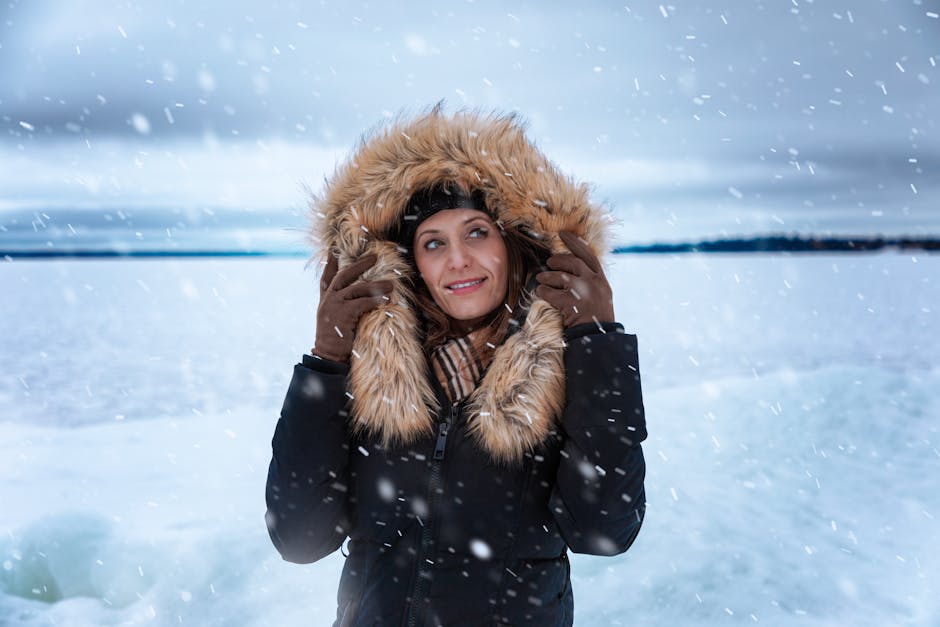
Different coat styles offer different levels of protection and suitability for NYC. Don’t just pick one because you like the look; consider its function.
| Feature | Winter Parka (Insulated) | Classic Wool Peacoat | Heavy Puffer Jacket (Insulated) |
|---|---|---|---|
| Warmth Rating (NYC Winter) | Excellent (often -20°F to 0°F rated) | Fair to Good (15°F to 30°F) | Good to Excellent (0°F to 20°F) |
| Waterproof/Windproof | Often excellent (technical shells) | Poor (wool absorbs water, wind penetrates) | Varies (DWR, some waterproof shells) |
| Length | Mid-thigh to knee | Hip to mid-thigh | Hip to mid-thigh/knee |
| Weight/Bulk | Moderate to heavy, can be bulky | Heavy, dense | Light to moderate, compressible |
| Best Use Case for NYC | Daily commute, prolonged outdoor exposure, worst conditions | Mild winter days, dressier occasions (with layers) | Active wear, milder cold, layering |
The Urban Parka Reigns Supreme
For sheer protection against the elements, a well-designed, insulated winter parka with a waterproof and windproof shell is the undisputed champion. Brands like Arc’teryx, Patagonia, The North Face, and Canada Goose make highly effective parkas that are built to withstand extreme cold and wet. They typically feature high-fill-power down or advanced synthetic insulation, adjustable hoods, and storm cuffs. If you want one coat that will get you through the entire NYC winter without compromise, this is it. It’s an investment, but it pays off in comfort and avoided misery.
Classic Wool: Style Over Substance?
A classic wool peacoat or topcoat has timeless style, no argument there. But for functional warmth in a true NYC winter, it often falls short. Wool is a decent insulator when dry, but it’s heavy, absorbs water, and doesn’t block wind effectively unless it’s an incredibly dense, thick weave. Many fashion-brand wool coats are too thin for serious cold. You’ll need substantial layering underneath to make it work, which adds bulk. Save these for crisp fall days or very mild winter days when you’re primarily moving indoors. Don’t rely on it when the wind chill hits single digits.
Puffers: Lightweight Champions, Sometimes
Puffer jackets, essentially quilted jackets filled with down or synthetic insulation, are incredibly popular. They offer excellent warmth-to-weight, and many are highly compressible. For milder winter days or as a mid-layer, they’re fantastic. However, many lighter puffers lack a truly waterproof or windproof shell, making them vulnerable in bad weather. A heavy-duty, long-length puffer from a reputable outdoor brand can rival a parka in warmth, but scrutinize the shell material. Don’t just grab any puffer; ensure it has the appropriate weather protection if it’s your primary outer layer.
Hoods, Cuffs, and Zippers: The Details That Matter.
Don’t overlook the small things. These details can make or break your coat’s performance.
The Functional Hood: Not Just for Looks
Your hood needs to be insulated, adjustable, and ideally feature a cinch cord or drawstrings to seal out wind and snow around your face. A hood that simply flops off or lets wind funnel in is useless. Look for hoods that are large enough to accommodate a hat underneath and can be cinched tight for maximum protection without obstructing your vision. Some hoods have a wire brim to shape it, which is a nice touch for deflecting sleet. A removable hood is fine, but make sure it’s substantial when attached.
Sealing the Deal: Cuffs and Hem
Cold air loves to sneak in through openings. Your cuffs should have an inner knit cuff or a Velcro/snap adjustment to seal around your gloves or wrists. This prevents heat loss and stops snow from getting in. The hem of your coat should also be adjustable with a drawstring or cinch cord to keep drafts from blowing up your back. These small features create a microclimate inside your coat, trapping warm air and keeping you comfortable. Without them, even the warmest coat becomes a sieve for cold air.
Zipper Quality: Don’t Compromise
A cheap zipper is a nightmare in cold weather. It snags, it breaks, and it lets wind right through. Look for sturdy, two-way zippers (YKK is a reliable brand) that are easy to operate with gloved hands. A two-way zipper is crucial for mobility, allowing you to unzip from the bottom for easier sitting or to vent heat without fully opening your coat. A storm flap covering the zipper, either internal or external, is also essential to block wind and water penetration. If the zipper feels flimsy, walk away. It’s a point of failure you can’t afford.
NYC winter isn’t getting any softer. Your coat needs to be a fortress, not just a fashion statement. Invest in performance, understand the materials, and you’ll navigate these streets comfortably. The future of winter wear is only going to lean harder into technical fabrics and smart layering. Stay ahead of it.