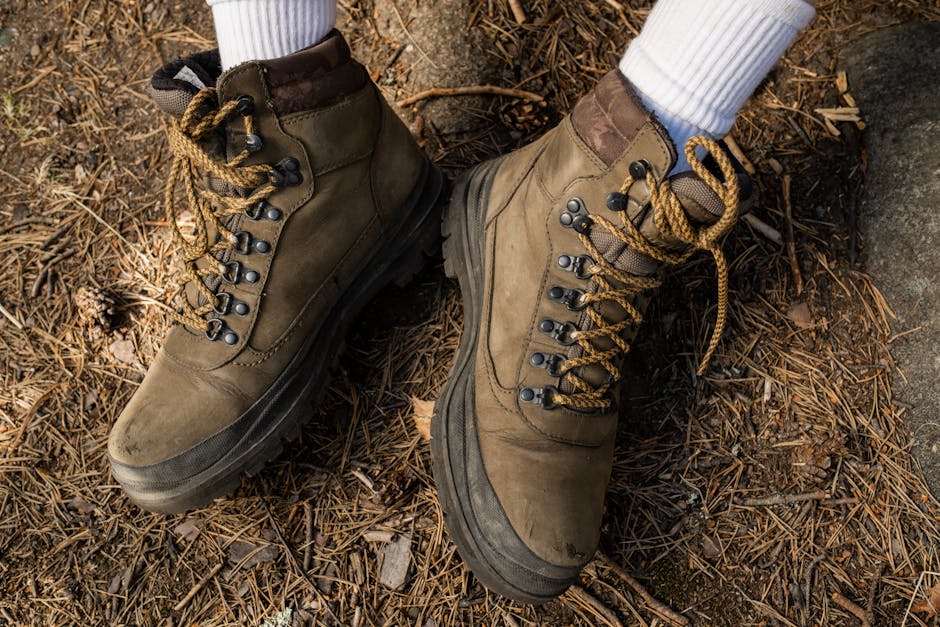
Wide Toe Box Hiking Boots: End Foot Pain on Trails
Picture this: you’re halfway up a stunning mountain trail, the views are incredible, but your focus is shot. Every step sends a jolt of pain through your toes. Your feet feel crammed, pinched, and desperate for relief. It’s a familiar scenario for many hikers, and it often points to one culprit: shoes that don’t fit your feet properly.
Did you know that up to 70% of adults wear shoes that are too small or too narrow for their feet? This isn’t just uncomfortable; it’s a direct route to chronic issues like bunions, hammertoes, neuromas, and even plantar fasciitis. When your hiking boots squeeze your forefoot, they prevent your toes from splaying naturally, which is essential for stability and shock absorption on uneven terrain. This guide helps you tackle that problem head-on, ensuring your next hike is a joy, not a torture test.
The Hidden Cost of Narrow Boots
Many hikers unknowingly endure foot pain because they’ve been conditioned to think a snug fit is ideal. However, a ‘snug’ fit that constricts the forefoot causes more problems than it solves. On challenging trails, your feet naturally expand, and your toes need room to spread out. This natural splay provides a stable base, helping you grip the ground and maintain balance. When traditional hiking boots, designed with a tapered toe box, prevent this, your body compensates in ways that lead to pain and injury.
Think about a typical downhill stretch. Your foot slides forward, and if there’s no room, your toes jam against the front of the boot. Repeat this for miles, and you’ve got bruising, blisters, and potential long-term damage. This isn’t about breaking in a boot; it’s about a fundamental mismatch between foot anatomy and footwear design. Addressing this requires understanding how your feet are supposed to work and finding boots that support that natural function.
Understanding Foot Anatomy and Splay
Your foot is a marvel of engineering, featuring 26 bones, 33 joints, and over 100 muscles, tendons, and ligaments. At the forefoot, your toes are designed to spread out, creating a broader, more stable platform for movement. This is called natural toe splay. Each toe plays a role in balance and propulsion. The big toe helps push off, while the smaller toes provide stability. When a narrow toe box forces these toes together, their individual functions are compromised.
Instead of a stable, shock-absorbing platform, you get a cramped, unstable one. This leads to issues up the kinetic chain, affecting your ankles, knees, and even your hips. A boot that respects your foot’s natural shape allows your toes to splay, giving you better grip, improved balance, and less fatigue over long distances.
Common Ailments from Constriction
Persistent pressure and lack of space in the toe box are direct contributors to several painful conditions. Bunions, a bony bump at the base of your big toe, are often d by narrow shoes that push the big toe inwards. Hammertoes occur when a toe has an abnormal bend in its middle joint, commonly caused by toes being forced into a cramped position.
Morton’s Neuroma, a thickening of tissue around a nerve between your toes, creates sharp, burning pain, often between the third and fourth toes. This happens when compressed nerves are irritated. Furthermore, restricted blood flow and nerve impingement can lead to numbness, tingling, and chronic discomfort, turning an enjoyable hike into a test of endurance.
Why Your Feet Are Wider Than You Think
- The Myth of “Average” Foot Width: Most shoe manufacturers design for what they perceive as an average foot, which often means a tapered toe box. However, individual foot shapes vary dramatically. Your foot might be perfectly healthy, but simply doesn’t conform to the industry’s narrow standard. This isn’t a defect in your foot; it’s a design flaw in many boots.
- Foot Expansion During Activity: During a long hike, especially in warm weather, your feet will swell. This is a natural physiological response to increased blood flow and activity. A boot that fits comfortably at the start of the day might become excruciatingly tight after a few hours on the trail. A wide toe box accounts for this expansion, preventing discomfort and pressure points.
- Natural Splay vs. Shoe-Induced Compression: Your bare foot, when standing naturally, spreads out. Measure the width of your foot while standing, then compare it to the width of your shoe’s sole at the widest point. You’ll often find your foot is wider. Over time, consistently wearing narrow shoes can actually change your foot’s structure, weakening intrinsic foot muscles and making it harder for your toes to splay even when given the room.
Measuring Your Actual Foot Width
To accurately gauge your foot width, trace your foot on a piece of paper while standing, putting full weight on it. Measure the widest part of the tracing, typically across the ball of your foot. Compare this measurement to the internal width of your current hiking boots. Better yet, when shopping for boots, use a Brannock Device or ask for a measurement. Remember, your foot measurement while standing is typically wider than when sitting.
The Impact of Activity on Foot Size
Not only do your feet expand with heat and increased blood flow during exercise, but the repetitive impact of hiking can also cause a temporary increase in foot volume. Studies show that feet can increase in length by up to 4% and in width by 10% after prolonged activity. This means a boot that feels ‘just right’ in the store could be a painful squeeze hours into a strenuous hike. Accounting for this natural expansion is a key reason to prioritize a spacious toe box.
Key Features of a True Wide Toe Box Boot
Choosing a boot isn’t just about the ‘wide’ label. Many brands offer a ‘wide’ version that only adds volume to the midfoot, leaving the toe box still tapered. A truly effective wide toe box boot provides ample space for your toes to splay naturally, resembling the shape of a healthy human foot. Don’t be fooled by marketing; inspect the shape closely.
The most important feature is a generous, anatomical toe box that allows your toes to spread out, resembling a duck’s foot rather than a pointy shoe. This isn’t just about comfort; it’s about providing a stable foundation for your body’s natural mechanics. Prioritize brands known for this specific design philosophy.
Last Shape vs. Stated Width
The last is the three-dimensional form around which a shoe is built. It dictates the shoe’s internal shape and volume. Many standard and even ‘wide’ width boots are constructed on a last that tapers significantly at the toes. This means that while the midfoot might be wider, the crucial toe area remains constricted. Look for brands that explicitly state they use an ‘anatomical,’ ‘foot-shaped,’ or ‘natural splay’ last. This is far more important than simply looking for a ‘wide’ designation.
A boot that truly accommodates a wide toe box will have a noticeable difference in its front-end shape, appearing less pointy and more rounded or squared off compared to conventional designs. This visual cue is a strong indicator of its internal dimensions.
Materials and Flexibility
The materials used in the upper and the flexibility of the sole also play a role. A pliable upper material, such as certain leathers or synthetic weaves, can conform better to your foot’s shape without creating rigid pressure points. While a stiff sole is often desired for support on rugged terrain, too much rigidity in the forefoot can prevent natural foot movement and ground feel. Look for a balance: good underfoot protection and torsional rigidity in the midfoot, but enough flexibility in the forefoot to allow for natural toe splay and push-off.
Waterproof membranes, like Gore-Tex, are common in hiking boots. Ensure that even with the added membrane, the boot maintains its generous toe box volume, as these layers can sometimes slightly reduce internal space.
Top Brands Known for Wide Toe Boxes

When searching for a truly wide toe box, certain brands consistently deliver designs that prioritize natural foot shape. These brands understand the importance of toe splay for comfort and performance on the trail. Here’s a brief look at some top contenders and their popular models:
| Brand & Model | Key Features | Typical Price Range | Best For |
|---|---|---|---|
| Altra Lone Peak Hiker | Zero-drop, FootShape™ toe box, MaxTrac™ outsole, EGO™ midsole, low-profile design. | $140 – $160 | Hikers seeking maximum toe splay, natural stride, and cushioning on diverse trails. |
| KEEN Targhee III Mid Waterproof | KEEN.DRY waterproof, metatomical footbed, multi-directional lug pattern, robust toe protection. | $160 – $180 | Day hikers and backpackers needing reliable ankle support, waterproofing, and a roomy, but not extreme, toe box. |
| Lowa Renegade GTX Mid | Gore-Tex lining, Vibram® Evo sole, Monowrap® frame for stability, supportive leather upper, available in wide. | $240 – $280 | Serious hikers and backpackers requiring superior support, durability, and a well-cushioned, moderately wide toe box in their wide versions. |
| Hoka Anacapa Mid GTX | Gore-Tex membrane, Vibram Megagrip outsole, extended heel geometry for smooth transitions, highly cushioned. | $180 – $200 | Hikers prioritizing extreme cushioning and a comfortable, moderately wide fit for long-distance comfort. |
| Topo Athletic Trailventure 2 WP | Anatomical toe box, 5mm heel-to-toe drop, Vibram® Megagrip outsole, eVent® waterproof bootie. | $160 – $190 | Hikers wanting a balance of natural toe splay, moderate drop, and reliable traction with good ground feel. |
For hikers needing the absolute maximum amount of toe splay, Altra is arguably the industry leader with its signature FootShape™ toe box. If you need a more traditional, robust hiking boot with a significantly wider-than-average toe box, KEEN and the wide versions of Lowa models are excellent choices. Hoka and Topo Athletic bridge the gap, offering generous toe boxes with varying levels of cushioning and drop.
How to Properly Fit Wide Toe Box Hiking Boots
Finding the right wide toe box hiking boot is only half the battle; fitting it correctly is just as crucial. A boot designed with ample toe room still needs to be snug elsewhere to prevent your foot from sliding around, which can cause blisters and instability. Don’t rush this process; dedicate ample time to trying on boots.
The Sock Test
Always try on hiking boots with the socks you intend to wear on the trail. Your hiking socks are typically thicker than everyday socks and can significantly impact the fit. Wear both socks when testing. Lace the boots firmly, but not so tight that they cut off circulation. Stand up and walk around the store for several minutes. Pay close attention to how your toes feel: do they have room to splay? Can you wiggle them freely? There should be about a thumb’s width of space between your longest toe and the end of the boot.
Uphill and Downhill Walk
Most specialty outdoor stores have an incline ramp or small hill designed for boot testing. This is invaluable. When walking uphill, your heel should stay securely in place with minimal lift. If your heel slips excessively, you might be prone to blisters. When walking downhill, your toes should not jam into the front of the boot. This is the ultimate test for a wide toe box. If your toes hit the front, the boot is either too short or the toe box is still too narrow for your foot’s natural forward slide during descents. Repeat these tests multiple times to confirm the fit.
Remember, your feet might be slightly larger in the afternoon, so try boots later in the day for the most accurate fit.
Beyond the Boot: Foot Care and Conditioning
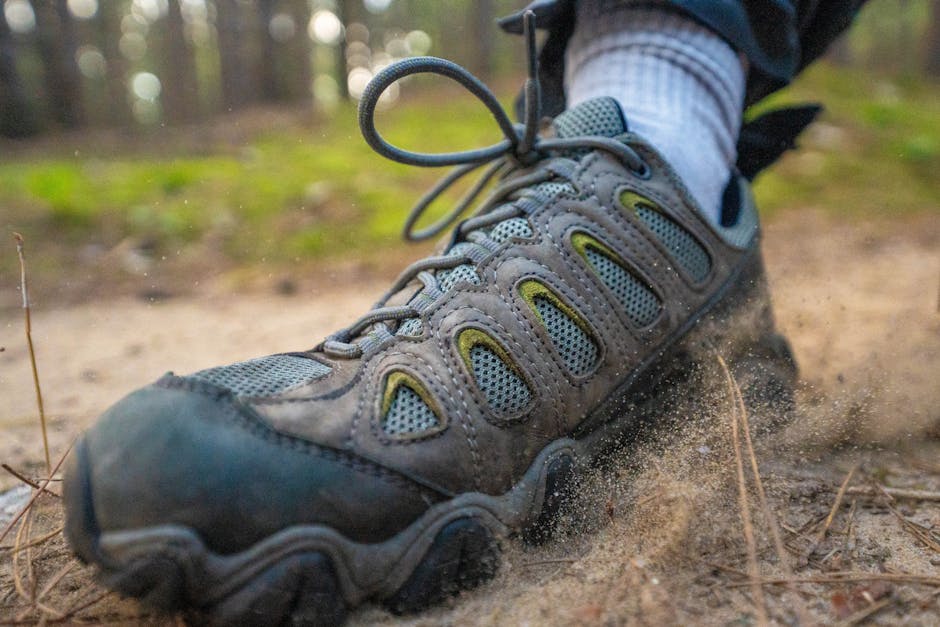
While the right wide toe box hiking boot is fundamental, it’s not the only factor in preventing foot pain on trails. Comprehensive foot care and conditioning play a significant role in enhancing your comfort and endurance. Strong, flexible feet can better adapt to varied terrain and withstand the demands of long hikes, even with the best footwear.
Why are my feet still sore even with wide boots?
Even with perfectly fitting wide toe box boots, foot soreness can persist due to several reasons. Firstly, your feet might be undergoing an adjustment period, especially if you’re transitioning from years of wearing narrow shoes. The muscles and ligaments in your feet may need time to strengthen and adapt to the new freedom of movement. Secondly, underlying issues like weak foot muscles, improper gait, or conditions like plantar fasciitis might require specific exercises or professional assessment. Ensure your insoles provide adequate arch support for your foot type, as stock insoles are often generic. Lastly, consider your pack weight and mileage; overexertion can lead to soreness regardless of footwear.
What exercises strengthen foot muscles for hiking?
Strengthening your foot muscles can significantly improve your hiking experience. Here are a few effective exercises:
- Toe Splay: Sit with bare feet. Spread your toes as wide as possible, holding for a few seconds, then relax. Repeat 10-15 times.
- Marble Pick-ups: Place marbles on the floor. Use your toes to pick them up one by one and place them in a cup. This builds dexterity and strength.
- Short Foot Exercise: While standing or sitting, try to shorten your foot by lifting the arch without curling your toes. Imagine pulling the base of your big toe towards your heel. Hold for 5-10 seconds, repeat 10-15 times.
- Calf Raises: Stand on the edge of a step, lower your heels below the step, then raise up onto your toes. This strengthens the calf muscles, which are crucial for foot stability. Perform 3 sets of 15 repetitions.
- Ankle Circles: Rotate your ankles clockwise and counter-clockwise 10 times in each direction. This improves ankle mobility and stability.
Incorporate these exercises into your routine 2-3 times a week to build resilient feet ready for any trail. The right boot gives you the space; these exercises give you the strength.
Equipping yourself with boots that respect your foot’s natural shape is the single most effective step you can take to enjoy pain-free hiking for years to come.