Best Belt Hanger Reviews: Organize Your Closet and Protect Your Leather
You’re standing in front of your closet at 7:15 AM. You need that specific mahogany dress belt—the one with the silver buckle that actually matches your oxfords. Instead, you find a literal bird’s nest of leather and metal tangled at the bottom of a drawer. Or worse, you’ve draped six belts over a single plastic coat hanger, and as soon as you pull one, the other five slide off in a chaotic heap. This is a waste of your time. It’s also a great way to ruin expensive leather. Belts aren’t meant to be knotted, folded, or crushed. They need air, they need to hang straight to maintain their shape, and they need to be visible so you can actually get dressed without a search party.
Stop treating your accessories like an afterthought. A dedicated belt hanger isn’t a luxury; it’s basic maintenance for a functional wardrobe. If you’re serious about your clothes, you stop throwing them in piles. The same logic applies here. You need a solution that fits your specific closet layout and the size of your collection. Whether you have three belts or thirty, there is a specific piece of hardware designed to keep them from becoming a source of morning frustration. Let’s get into the hardware that actually works and the junk you should leave on the shelf.
Types of Belt Hangers and Why Design Matters
Not all hangers are created equal. Most people grab the first thing they see at a big-box store, usually a circular plastic ring with some notches. Those are garbage. They unbalance easily, and the plastic often has rough edges that can snag the lining of your belts. You need to understand the three primary designs before you spend a dime. First, you have the prong-style hanger. These look like a standard hanger but feature a row of hooks along the bottom. They are excellent for visibility because every belt hangs side-by-side. The downside? They take up horizontal rod space. If your closet is already packed tight, a wide prong hanger is going to feel like a space hog.
Next is the vertical tier or ring hanger. These stack belts vertically. You hook one, then another below it, or they all hang from a central hub. These are the kings of space-saving. They take up about as much room as a single shirt. However, they can be a nightmare for accessibility. If the belt you want is in the middle of a stack, you’re playing a high-stakes game of Jenga just to get it out. Finally, there are wall-mounted or pull-out racks. These are the gold standard. They don’t take up rod space at all because they mount to the side of your closet system or a wall. They offer the best visibility and the most stability, but they require a screwdriver and a permanent spot. If you’re a renter or don’t want to drill into your cabinets, these might be out of the question.
The Physics of the Swivel Hook
One detail people overlook is the swivel hook. If the top hook of the hanger doesn’t rotate 360 degrees, you are going to hate using it. A fixed hook forces you to enter the closet at a specific angle. A swivel hook allows you to turn the entire rack toward the light so you can distinguish between black and midnight navy. It sounds like a small thing. It isn’t. When you’re in a rush, that three-second struggle with a stiff hook is exactly what leads to you ripping the belt off and breaking the hanger. Look for chrome-plated steel swivels. They are smooth, durable, and won’t snap under the weight of heavy brass buckles.
Top-Rated Belt Hangers for Small Closets
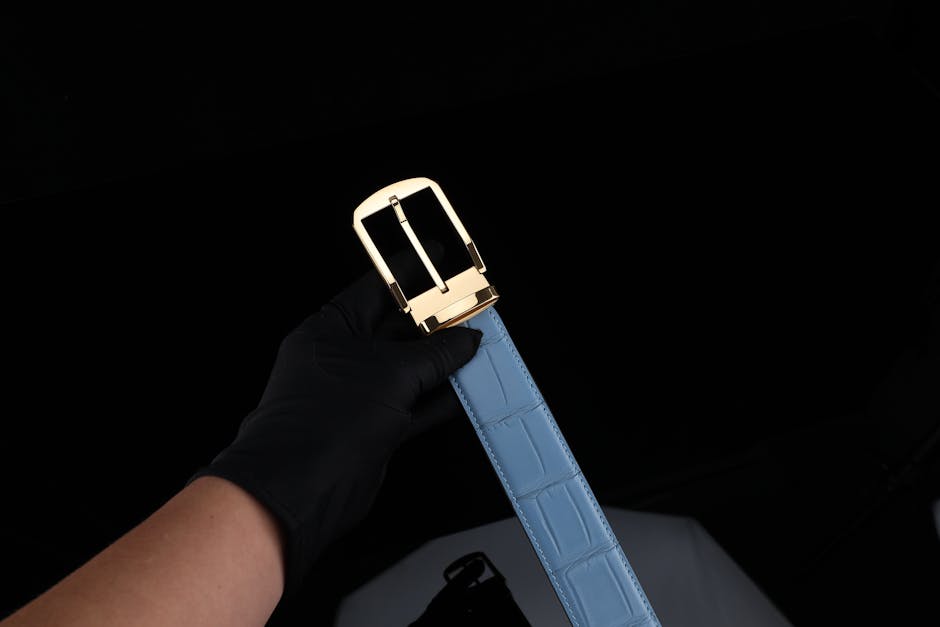
If you live in a city apartment or share a closet with a partner, space is your most valuable resource. You cannot afford to give up six inches of rod space to a belt rack. You need verticality. The goal is to maximize the “dead air” below your hanging clothes. In these scenarios, I recommend looking at high-density vertical hangers that use gravity to their advantage. You want something that keeps the belts thin and streamlined against your other clothes.
| Model Name | Approx. Price | Capacity | Best For |
|---|---|---|---|
| Richards Homewares 14-Hook | $12.00 | 14 Belts | Maximum Visibility |
| IEOKE 2-Pack Rotating Rack | $10.00 | 20 Belts | Budget Space-Saving |
| WarmPlus 12-Slot Wood Hanger | $16.00 | 12 Belts | Preventing Slips |
Richards Homewares 14-Hook Chrome Rack
This is a classic for a reason. It’s a single piece of heavy-duty steel with 14 hooks—seven on each side. It’s incredibly thin. Pros: The chrome finish is snag-free, and it’s virtually indestructible. You could hang a sledgehammer from this thing and it wouldn’t bend. Cons: Because the hooks are close together, if you have very wide belts or oversized Western buckles, they will overlap and look messy. It’s best for standard dress belts and slim casual belts. At roughly $12, it’s the most reliable entry-level option on the market.
WarmPlus 12-Slot Natural Wood Hanger
This model uses a different philosophy. Instead of hooks that the buckle loops over, it has slots that the belt slides into. Pros: It is impossible for a belt to slip off this hanger. If you have belts with smooth, silk-like finishes or very heavy buckles that tend to slide off traditional hooks, this is your solution. Cons: It is significantly bulkier than the chrome options. It’s made of solid wood, which looks great, but it takes up about two inches of horizontal space. If your closet is bursting at the seams, this might be too thick. It’s a trade-off between security and space.
Wooden vs. Metal vs. Plastic: Material Durability Comparison
Don’t buy plastic. I’ll say it again: avoid plastic belt hangers. Belts are surprisingly heavy. A collection of ten leather belts with metal buckles can easily weigh five to seven pounds. Over time, plastic hangers will “creep”—that’s the technical term for slow deformation under stress. They’ll bow in the middle, the hooks will start to sag, and eventually, the neck will snap. And plastic is light. When you take one belt off, the whole hanger flies upward or shifts wildly because there’s no counterweight. It’s annoying. You want a hanger with some heft.
Metal (Chrome-Plated Steel) is the pragmatic choice. It’s thin, it’s strong, and it’s cheap. Steel hangers are usually the most space-efficient. The only downside is that they can be a bit “loud”—the clinking of metal buckles against a metal rack at 6 AM might wake up a sleeping partner. If that’s a concern, look for rubber-coated metal hooks. They provide grip and silence the clatter. Wood (Cedar or Hardwood) is the premium choice. Solid wood hangers don’t just look better; they provide a wider surface area for the belt to rest on, which prevents the leather from developing a sharp “kink” where it hangs. Cedar is particularly good because it naturally repels moths and absorbs moisture—essential if your closet is prone to dampness or if you’re storing expensive wool trousers nearby.
Quality leather is skin. It breathes. It reacts to the environment. Hanging your belts on a cedar rack doesn’t just organize them; it acts as a mild desiccant to keep the leather from molding in humid climates.
The Case for Cedar Racks
If you’re choosing wood, go for unfinished cedar. Companies like Woodlore specialize in this. A cedar belt rack might cost you $20 to $30, which is more than the chrome versions, but the aromatic benefits are real. Over time, the scent will fade, but you can bring it back by lightly sanding the wood with fine-grit sandpaper. It’s a lifetime purchase. If you have a collection of high-end designer belts from brands like Gucci or Hermès, putting them on a $2 plastic hanger is like putting a Ferrari engine in a lawnmower. Match the quality of the storage to the quality of the item.
How to Organize Belts by Buckle Type and Frequency
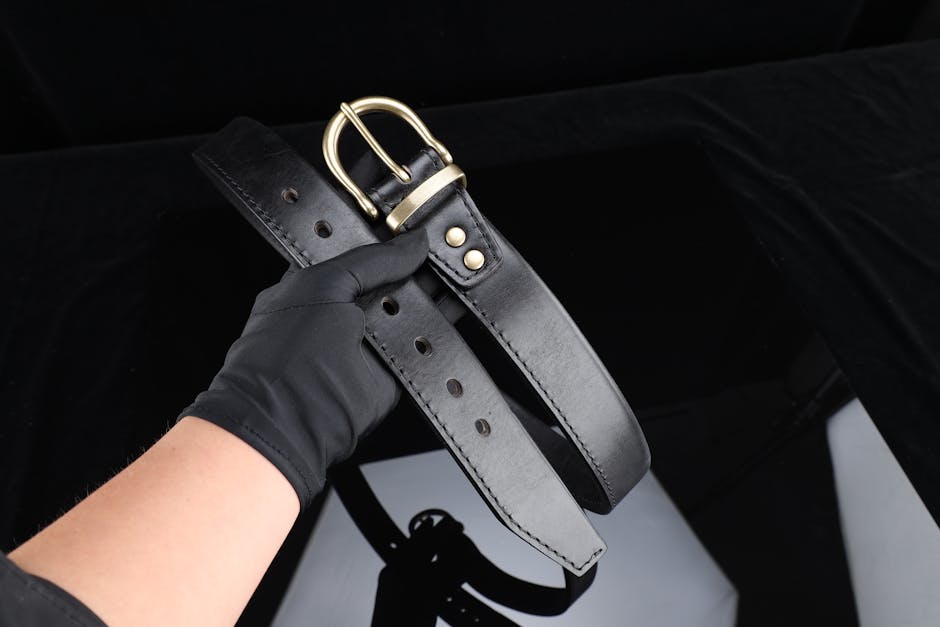
Organization isn’t just about having a place to put things; it’s about how you retrieve them. If you just throw belts onto a hanger at random, you’re still going to be frustrated. You need a system. I recommend organizing by Frequency of Use first, then by Color/Style. Your daily-driver belts—the ones you wear to the office or with your favorite jeans—should be closest to the front of the hanger or the most accessible hook. The formal tuxedo belt you wear once a year? That goes in the back, in the “hard to reach” zone.
Another pro tip: pay attention to the buckles. Heavy, “plate” style buckles (like those on Western belts) have a different center of gravity than standard frame-and-prong buckles. If you put all your heavy buckles on one side of a hanging rack, the whole thing will tilt. This causes the belts on the lighter side to slide off. Balance your rack. Put one heavy belt on the far left, one on the far right, and fill in the middle with your lighter dress belts. It keeps the hanger level and prevents the “cascade effect” where one slipping belt takes down the whole row.
- Sort by color: Group blacks together, then browns, then tans. It makes color-matching your shoes instantaneous.
- Face buckles in the same direction: It sounds obsessive, but if all buckles face left, you can quickly flip through them like a Rolodex.
- Check for wear: Once a month, when you’re hanging a belt back up, check the holes. If they’re stretching, it’s time for a bit of leather conditioner. The hanger gives you the perfect opportunity for a quick inspection.
The “Loop-Through” Method vs. The “Buckle-Hook” Method
How you actually attach the belt to the hanger matters. Most people hook the buckle over the prong. This is fine for most belts. However, for very thin or delicate fashion belts, the weight of the leather hanging from the buckle can actually stretch the stitching that holds the buckle in place. For these, I recommend the loop-through method if your hanger allows it. Fold the belt loosely and drape it over the hook so the weight is distributed across the middle of the strap. Just make sure the fold isn’t too tight, or you’ll end up with a permanent crease in the leather. For 90% of belts, the buckle-hook is the standard for a reason: it’s fast and it works.
Best Heavy-Duty Belt Hangers for Large Collections
For the person who has twenty or thirty belts, a single hanging rack isn’t going to cut it. You’ll end up with a mass of leather so thick it’ll be wider than your winter coats. If you have a large collection, you need to move away from rod-hanging solutions and toward wall-mounted systems. This is where you get into the professional-grade closet hardware. A wall-mounted rack allows you to spread the belts out across a wider horizontal plane without sacrificing rod space.
The Rubbermaid Reveal Pull-Out Belt Rack
This is arguably the best solution for a serious wardrobe. It’s part of the Reveal line but can be adapted to many closet systems. Pros: It’s on a ball-bearing slide. It stays tucked away against the wall of your closet, and when you need a belt, you pull it out like a drawer. You get a full, top-down view of every single belt in your collection. It feels expensive. It feels intentional. Cons: It costs around $25-$35 and requires installation. You need a flat vertical surface to screw it into. It’s not a “buy it and drop it in” solution. But if you have the space, the utility is unmatched. You will never go back to a standard hanger after using a slide-out rack.
Whitmor Wood Household Belt Spinner
If you have a lot of belts but no wall space, the “Spinner” is the high-capacity alternative. It looks like a small chandelier for your closet. It has around 20 hooks arranged in a circle around a central wooden hub. Pros: It holds a massive amount of weight in a very small footprint. You can spin it to find what you need. Cons: It’s bulky. It creates a “cylinder” of belts that is about 8-10 inches in diameter. You need a clear spot on your closet rod where this can hang without being squeezed by clothes, or the belts will get tangled as you spin it. It’s a great piece of gear for someone with a dedicated accessory section in their walk-in closet.
Ultimately, the “best” hanger is the one you will actually use. If a pull-out rack is too much work to install, don’t buy it. It’ll sit in the box while your belts stay in a pile. Buy the heavy-duty chrome hanger, spend ten minutes moving your belts onto it, and reclaim your morning. Your leather will last longer, your closet will look like an adult lives there, and you’ll never have to hunt for that mahogany belt again. It’s a small win, but in the world of personal style, those small wins are what keep you looking sharp every day.