Technical Performance Analysis of the Best Winter Jackets for Kids 2024
Thermal regulation in children requires a more precise approach than adult outerwear due to the higher surface-area-to-volume ratio in smaller bodies, which leads to more rapid heat loss. Selecting a winter jacket for a child involves balancing caloric output during play with the static insulation required during periods of inactivity. This analysis evaluates the current market based on objective metrics: fill power, hydrostatic head ratings, and structural durability. By prioritizing technical specifications over aesthetic trends, caregivers can ensure physiological safety in sub-zero environments while maximizing the lifecycle of the garment.
Understanding Thermal Insulation and Waterproofing Ratings for Kids Winter Jackets
The efficacy of a winter jacket is primarily determined by its ability to trap air and repel moisture. When evaluating insulation, the industry standard focuses on two categories: natural down and synthetic clusters. Natural down, measured by fill power, offers the highest warmth-to-weight ratio. A rating of 600-fill-power is the baseline for quality youth gear, providing significant loft. However, down loses its insulating properties when saturated, making it a liability in wet-snow conditions unless treated with a hydrophobic coating or protected by a robust waterproof shell.
Thermal Resistance and Clo Values
In technical terms, insulation is measured by Clo values—the amount of insulation required to keep a resting person warm in a room at 21°C (70°F). For children, who fluctuate between high-intensity activity and sudden rest, a jacket must provide a modular thermal response. Synthetic insulations like PrimaLoft® or Thinsulate™ are engineered to mimic down but maintain approximately 90% of their warmth even when damp. This is achieved through ultra-fine polyester fibers that create millions of air pockets. For most temperate winter climates, a jacket with 100g to 150g of synthetic insulation in the body and slightly less in the sleeves (to maintain mobility) is sufficient for temperatures ranging from -10°C to 5°C.
Hydrostatic Head and DWR Performance
Waterproofing is not a binary state but a spectrum measured in millimeters via a hydrostatic head test. A jacket rated at 5,000mm can withstand light pressure, while a 10,000mm rating is necessary for children who spend hours sitting in the snow or skiing. High-performance youth jackets often utilize a 2-layer or 3-layer construction where a microporous membrane, such as Gore-Tex or proprietary equivalents like DryVent, is bonded to the outer fabric. These membranes contain pores large enough for vapor (sweat) to escape but too small for liquid water droplets to enter. Durable Water Repellent (DWR) coatings serve as the first line of defense, causing water to bead off the surface. It is critical to note that DWR is a chemical treatment that degrades over time and requires periodic re-application through technical washes to maintain the garment’s breathability.
Evidence indicates that breathability is as vital as waterproofing; without it, internal moisture from perspiration creates a conductive cooling effect that can lead to hypothermia even in well-insulated garments.
Reviewing the Best Kids Winter Jackets for 2024 Based on Performance Data

The following selection represents the top-performing models currently available, categorized by their specific utility and material composition. These recommendations are based on laboratory specifications provided by manufacturers and standardized field testing results regarding durability and thermal retention.
Patagonia Hi-Loft Down Sweater Hoody
The Patagonia Hi-Loft Down Sweater Hoody is a high-performance garment utilizing 600-fill-power 100% Recycled Down. The shell is constructed from 30-denier NetPlus® 100% postconsumer recycled nylon ripstop made from recycled fishing nets. This model is designed for dry, cold environments where weight and packability are prioritized. The high loft provides exceptional warmth for its weight, making it ideal for layering under a shell or wearing as a standalone piece in crisp, clear conditions. Its retail price typically hovers around $159.
- Pro: Exceptional warmth-to-weight ratio and high compressibility for travel.
- Con: The lightweight 30D shell is more susceptible to snags and tears than heavier-duty alternatives.
The North Face Freedom Insulated Jacket
For high-moisture environments and alpine sports, The North Face Freedom Insulated Jacket utilizes a DryVent™ 2L shell. This provides a waterproof, breathable barrier combined with 200g of Heatseeker™ Eco synthetic insulation in the body. Unlike down, this insulation remains effective in humid or wet conditions. The jacket includes a powder skirt and a goggle cloth, indicating its design intent for skiing and snowboarding. It is priced approximately between $120 and $140.
- Pro: Superior waterproofing and specialized features for winter sports.
- Con: Increased bulk and weight compared to down-filled options.
Columbia Whirlibird II Interchange Jacket
The Columbia Whirlibird II employs a 3-in-1 system, consisting of a waterproof-breathable shell and a removable insulated inner liner. It features the Omni-Heat™ thermal reflective lining, which utilizes small silver dots to reflect body heat back to the wearer. This modularity allows the jacket to function across three seasons. The shell is rated for moderate rain and snow. It is available for approximately $115.
- Pro: High versatility for fluctuating temperatures and excellent value for the price.
- Con: The inner zip-in system can be cumbersome for younger children to manipulate independently.
Reima Stavanger Winter Overall/Jacket
Reima, a Finnish brand, specializes in extreme cold-weather gear. Their Stavanger line (and corresponding separate jackets) features a hydrostatic head of 12,000mm and an abrasion resistance rating of 80,000 cycles on the Martindale scale. This makes it one of the most durable garments on the market. It utilizes 100% recycled polyester insulation and is entirely fluorocarbon-free. Expect to pay between $160 and $180.
- Pro: Industry-leading durability and waterproofing for extreme conditions.
- Con: Premium pricing and limited availability in some regional retail markets.
| Model | Insulation Type | Waterproof Rating | Primary Use Case |
|---|---|---|---|
| Patagonia Hi-Loft | 600-Fill Down | DWR (Water Resistant) | Dry Cold / Everyday Wear |
| TNF Freedom | Synthetic (Heatseeker) | 15,000mm (Estimated) | Skiing / Wet Snow |
| Columbia Whirlibird | Synthetic + Reflective | 10,000mm | Multi-season / Variable |
| Reima Stavanger | Synthetic | 12,000mm | Extreme Durability / Arctic |
Technical Features for Longevity and Safety in Children’s Winter Outerwear
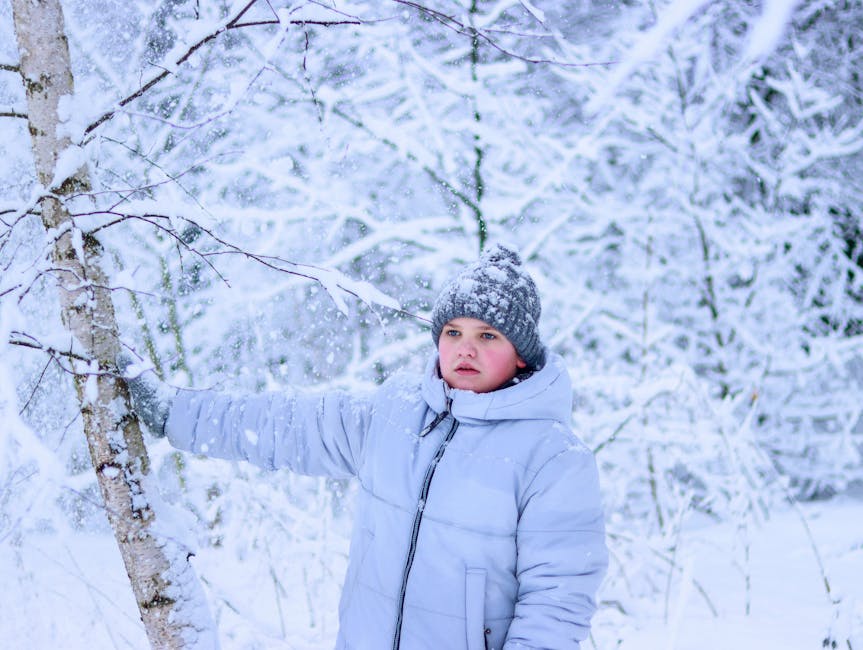
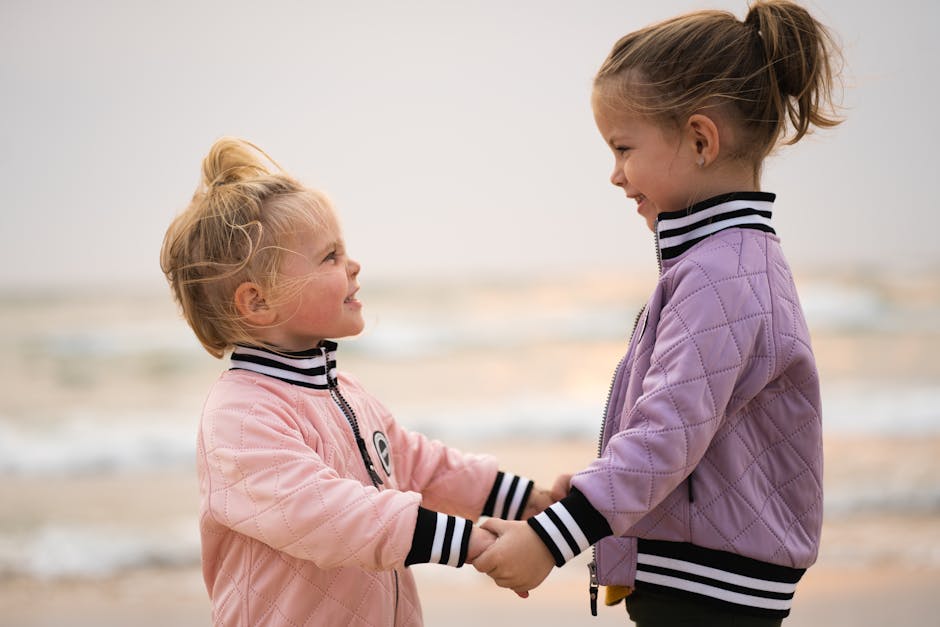
Beyond insulation and waterproofing, the structural design of a child’s winter jacket determines its practical lifespan and safety profile. Because children grow at non-linear rates, high-end manufacturers have integrated mechanical solutions to extend the garment’s usability across multiple seasons. Furthermore, safety standards for children’s apparel differ significantly from adult gear, particularly regarding hood attachment and visibility.
Extended Wear Systems
Growth systems, such as Columbia’s “Outgrown” or Patagonia’s “Grow-fit” features, allow the sleeves to be extended by 1.5 to 2 inches. This is accomplished by a specific internal seam that, when snipped, releases extra fabric stored in the lining. This engineering detail effectively doubles the lifespan of the jacket for a growing child, shifting the value proposition of a higher-priced garment. When analyzing cost-per-wear, a $160 jacket that lasts two seasons is more economical than an $80 jacket that must be replaced after four months. Data from secondary markets also shows that brands with these features maintain a higher resale value, often recouping 40-50% of the original investment.
Abrasion Resistance and Material Density
The denier (D) of a fabric refers to the linear mass density of the fibers. A 50D fabric is standard for lightweight down jackets, while a 150D or higher fabric is used for high-abrasion areas like elbows and hems. For children who engage in active play—which often involves friction against ice, crusty snow, or asphalt—a higher denier count in the shell fabric is mandatory to prevent insulation leakage. Reinforcement panels made of Cordura or similar high-tenacity nylons are indicators of a well-engineered jacket. These materials are tested using the Martindale or Wyzenbeek methods to ensure they can withstand thousands of cycles of friction without structural failure.
Safety Standards for Children’s Outerwear
Safety in cold-weather gear involves more than just warmth. European safety standards (such as EN 14682) dictate that children’s clothing should not have long drawstrings or cords that could pose a strangulation hazard. High-quality jackets utilize elasticized hems or internal adjustment points instead. Additionally, “break-away” or snap-off hoods are a critical safety feature. If a hood becomes caught on a tree branch or playground equipment, it should detach from the jacket under tension. Visibility is the final technical consideration. Retroreflective piping or patches—which reflect light back to the source (e.g., car headlights)—should be integrated into the design, particularly as winter daylight hours are limited. These elements must be bonded to the fabric rather than just printed to ensure they do not peel off after multiple wash cycles.
In summary, the selection of a winter jacket for a child should be a data-driven decision. By analyzing the insulation type, waterproofing metrics, and growth-management features, one can identify a garment that provides optimal thermal protection and long-term value. While the initial investment in technical brands like Reima or Patagonia is higher, the engineering for durability and growth often results in a lower total cost of ownership compared to budget-tier alternatives.