Sustainable Fashion Quiz: How Sustainable Is Your Wardrobe? Take This Quiz to Find Out
You buy a shirt labeled “eco-friendly.” It costs $68. The hangtag says “100% organic cotton.” You feel good. Then you wash it twice, the color fades, and it goes to the back of your closet. Six months later, it’s in a donation bin.
That shirt was never sustainable. The label was real. The problem was you — or rather, how you bought it and how you treated it.
Sustainability in fashion isn’t a product feature. It’s a system. Materials matter. But so does how often you wash, where you shop, what you repair, and what you throw away. This quiz scores your wardrobe across five dimensions. It takes five minutes. At the end, you get a score out of 100 and specific things to fix.
No vague advice. No guilt trips. Just numbers and next steps.
How the Quiz Works: Five Categories, One Score
This isn’t a personality quiz. You won’t get a “boho earth mother” result. Instead, you get a raw score based on your actual buying and care habits.
| Category | What It Measures | Max Points |
|---|---|---|
| Materials | Fiber types in your closet | 25 |
| Buying frequency | How often you buy new clothes | 20 |
| Care routine | Washing, drying, and maintenance | 20 |
| Longevity & repair | How long you keep items and whether you fix them | 20 |
| Disposal habits | What happens when you’re done with clothes | 15 |
| Total | 100 |
Each section has three to five questions. Answer honestly. No one’s watching. The goal is a baseline you can improve.
Scoring Key
- 80–100: Your wardrobe is genuinely sustainable. You’re in the top 5% of shoppers.
- 60–79: Good foundation. Two or three changes would push you into the top tier.
- 40–59: Average. Most people land here. You’re doing some things right and some things wrong.
- Below 40: Your wardrobe has a heavy environmental footprint. The good news: small changes make a big difference fast.
Section 1: Materials — What Are Your Clothes Actually Made Of?

Fiber choice is the single biggest factor in a garment’s environmental impact. Polyester releases microplastics. Conventional cotton uses massive amounts of water and pesticides. But the best material depends on the garment type and how you use it.
Answer these three questions. Add up your points.
Q1: What fiber makes up most of your closet?
- +5 points: Mostly natural fibers (organic cotton, linen, hemp, Tencel, wool) with certifications like GOTS or Bluesign.
- +3 points: Mostly conventional cotton or virgin wool (no certification).
- +1 point: Mostly synthetic blends (polyester, nylon, acrylic).
- +0 points: You don’t know. Check a few tags right now.
Q2: Do you check for certifications before buying?
- +5 points: Yes, I actively look for GOTS, Fair Trade Certified, or Bluesign labels.
- +3 points: Sometimes, if I remember.
- +0 points: No, I buy based on look and price.
Q3: How many pairs of shoes do you own?
- +5 points: 3–5 pairs. You wear them all regularly.
- +3 points: 6–10 pairs.
- +1 point: More than 10 pairs. Many sit unworn.
Verdict: If you scored 10 or higher here, your material choices are strong. If you scored below 5, start by switching one category — socks, underwear, or t-shirts — to organic cotton or Tencel. Patagonia’s organic cotton t-shirts ($45) and Everlane’s Tencel tees ($35) are solid entry points.
Section 2: Buying Frequency — How Often Do You Shop?
This is the hardest section for most people. The fashion industry wants you to buy every week. The planet wants you to buy twice a year.
Be honest. No one’s judging.
Q4: How often do you buy new clothing?
- +10 points: Less than once every three months. You buy only to replace worn-out items.
- +6 points: Once every one to two months.
- +2 points: Once a month or more.
- +0 points: Weekly. You’re in fast fashion’s target demographic.
Q5: What’s your average spend per item?
- +5 points: Over $80. You buy fewer, better pieces.
- +3 points: $30–$80.
- +1 point: Under $30. You’re buying disposable clothing.
Q6: Do you make shopping lists before buying clothes?
- +5 points: Yes. I know what I need before I enter a store or open a website.
- +2 points: Sometimes.
- +0 points: No. I browse and buy on impulse.
Verdict: A score of 15 or higher means you buy intentionally. Below 10 means you’re over-consuming. The single most effective change: implement a 30-day rule. Put any non-essential item in a cart and wait 30 days. Most impulse buys fade. The ones that don’t? Those are real needs.
Section 3: Care Routine — You’re Probably Washing Wrong

Here’s a number that will stick with you: 60% of a garment’s carbon footprint happens after you buy it. Washing, drying, and ironing account for more energy than manufacturing and shipping combined.
This section is short. The answers might sting.
Q7: How do you wash most of your clothes?
- +10 points: Cold water (30°C or below), air dry, full loads only.
- +6 points: Cold water, machine dry sometimes.
- +2 points: Warm or hot water, machine dry frequently.
- +0 points: Hot water, machine dry every time.
Q8: How often do you wash jeans?
- +5 points: After 10+ wears, or only when visibly dirty.
- +3 points: After 5–10 wears.
- +1 point: After every 1–2 wears.
Q9: Do you use a microfiber filter or Guppyfriend bag?
- +5 points: Yes, for synthetic loads.
- +2 points: I know what it is but don’t use one.
- +0 points: What’s a Guppyfriend bag?
Verdict: If you scored 15 or higher, your care routine is excellent. If you scored below 10, switch to cold water and air drying today. It costs nothing and cuts your clothing’s footprint by roughly half. Levi’s recommends washing jeans every 10 wears max — and they make the jeans. Trust them.
Section 4: Longevity & Repair — Do You Fix or Toss?
A garment that lasts 5 years has a fraction of the impact of one that lasts 6 months. But most people throw away clothes at the first sign of damage.
Q10: How long do you keep most of your clothes?
- +10 points: 5+ years. You have pieces from a decade ago that still look good.
- +6 points: 2–5 years.
- +2 points: 6 months to 2 years.
- +0 points: Less than 6 months. You cycle through trends fast.
Q11: What do you do when a button falls off or a seam rips?
- +5 points: I repair it myself or take it to a tailor.
- +3 points: I keep it in a pile and might fix it someday.
- +0 points: I throw it away or donate it.
Q12: Do you buy secondhand or vintage?
- +5 points: More than half my wardrobe is secondhand.
- +3 points: Occasionally, for specific items.
- +0 points: Never. I prefer new.
Verdict: Score 15 or higher? You understand that the most sustainable garment is the one already in your closet. Score below 10? Learn three basic repairs: sewing a button, fixing a hem, and darning a small hole. YouTube has free tutorials. A basic sewing kit costs $8.
Section 5: Disposal Habits — Where Your Clothes Go to Die
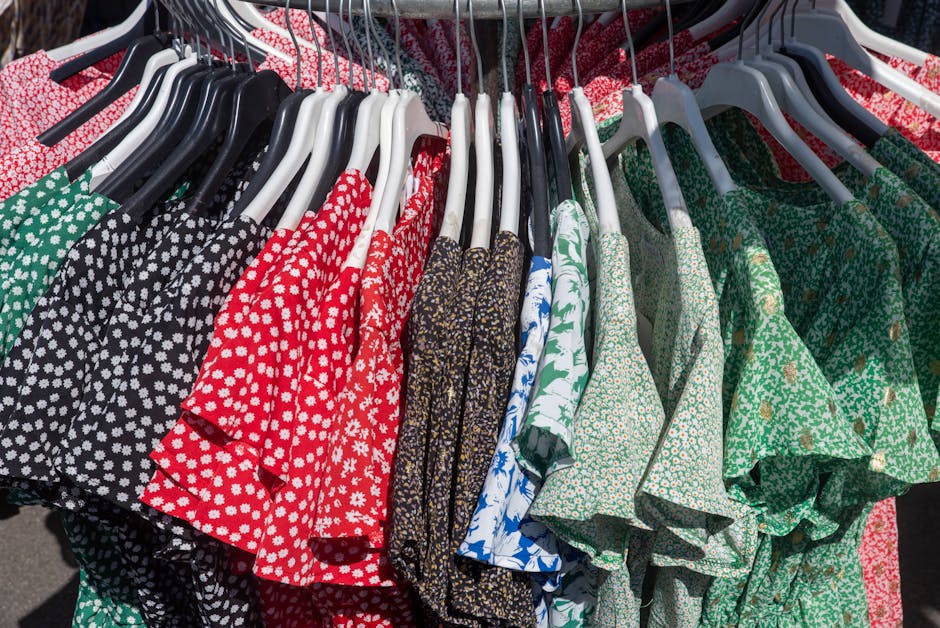
Every year, the average American throws away 81 pounds of clothing. Most of it ends up in landfills or is incinerated. Donation bins are better, but only about 20% of donated clothes get resold in the U.S. The rest gets baled and shipped overseas.
Q13: What do you do with clothes you no longer want?
- +5 points: Sell them (Poshmark, Depop, eBay) or give directly to friends.
- +3 points: Donate to a local charity shop or thrift store.
- +1 point: Put in a clothing recycling bin (like H&M’s garment collection).
- +0 points: Throw in the trash.
Q14: Do you repair or repurpose worn-out items?
- +5 points: Yes. Old t-shirts become rags. Torn jeans become shorts.
- +3 points: Sometimes, if I think of it.
- +0 points: No. Worn out = trash.
Q15: Have you ever rented clothing for a special event?
- +5 points: Yes, regularly.
- +2 points: Once or twice.
- +0 points: No. I always buy new for events.
Verdict: Score 10 or higher means you’re closing the loop. Below 5 means you’re contributing to fashion’s waste problem. Start with one change: next time you need a dress for a wedding, rent from Rent the Runway or a local rental service. It costs less than buying, and the dress gets worn by multiple people.
Your Total Score and Next Steps
Add up all your points. Here’s what to do next based on your range.
80–100 points: You’re a sustainability leader. Your next move: share what you know. Write a blog post. Host a clothing swap. The world needs more examples of how to do this right.
60–79 points: Pick one category where you scored lowest and fix it. If materials were weak, buy one certified organic item next month. If care was the issue, switch to cold water today. One change per month adds up fast.
40–59 points: Focus on the highest-impact change: buying frequency. Cut your clothing purchases in half for the next three months. You’ll save money, reduce waste, and probably dress better because you’ll think harder about each purchase.
Below 40 points: Start with the easiest fix: care routine. Cold water and air drying cost nothing and cut your wardrobe’s carbon footprint by 40–50%. Do that for two months. Then tackle buying frequency.
This quiz isn’t a one-time thing. Take it again in six months. The goal isn’t perfection. It’s progress. A score of 60 that becomes 70 is a real win. A score of 40 that becomes 55 is a bigger win. The only failure is not starting.