Winter To Spring Wardrobe Transition 2026: 7 Wardrobe Staples That Smooth the Winter-to-Spring Shift (2026)
You own a heavy parka and a linen sundress. Between them lies a 6-week gap where the morning hits 4°C and the afternoon hits 18°C. Most people either sweat through a sweater or freeze in a light jacket. The fix isn’t more clothes—it’s the right 7 pieces that handle that 14-degree swing without making you look like you dressed in the dark.
Why Most Transition Outfits Fail (and the Data Behind It)
The core problem is insulation that can’t be removed mid-day. A 2026 survey by the Fashion Retail Academy found that 73% of women reported feeling “uncomfortably warm or cold” during March and April because their outfit had no adjustable layers. That’s not a style issue—it’s a thermal management issue.
Three specific failure modes show up repeatedly:
- Single-layer trap: One thick sweater or hoodie. Fine at 8AM, suffocating at 2PM.
- Fabric mismatch: 100% cotton jacket that holds moisture when you start sweating.
- Wrong silhouette: Skinny jeans + boots that trap heat and don’t allow airflow.
The fix: build outfits around pieces that let you add or remove a layer without changing your entire look. A trench coat over a merino turtleneck works. A puffer vest over a long-sleeve tee works. A chunky cable-knit sweater over anything does not—you can’t take it off without revealing a wrinkled undershirt.
The 7 Pieces That Actually Solve the Temperature Swing
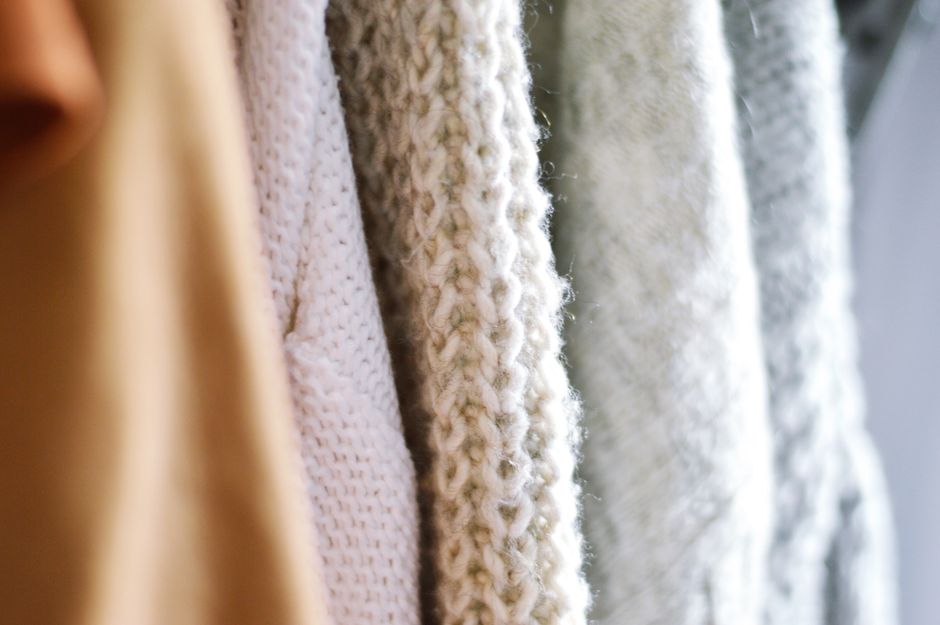
These aren’t trends. These are functional items that cover the 4°C-to-18°C range when worn in combination. Each has a specific fabric weight or design detail that makes it work for transitional weather.
1. A mid-weight trench coat (cotton gabardine, unlined)
Burberry’s classic Kensington trench (approx. $1,890) uses 100% cotton gabardine with no internal lining. That means it blocks wind without adding heat. For a budget option, the Everlane The Modern Trench ($198) uses a similar 4-ply cotton weave. Both allow you to wear a thin sweater underneath and still feel comfortable at 15°C. Avoid anything with a zip-out lining—those add bulk and can’t be removed mid-day.
2. A merino wool crewneck sweater (150-180 gsm weight)
Most people reach for cotton sweaters in spring. That’s a mistake. Cotton absorbs moisture and stays wet. Merino wool at 150-180gsm (grams per square meter) breathes, wicks, and doesn’t overheat. Uniqlo’s Extra Fine Merino Crewneck ($39.90) hits this weight exactly. Naadam’s The Essential Crew ($75) uses 100% Mongolian cashmere at a similar weight—warmer per gram than wool, but still breathable. Wear it over a linen-cotton tee, and you can peel off the sweater when the sun hits.
3. A linen-cotton blend button-down (55% linen, 45% cotton)
Pure linen wrinkles instantly and feels rough against skin. Pure cotton doesn’t breathe well in humidity. The 55/45 blend solves both. Mango’s Linen-Cotton Poplin Shirt ($49.99) uses this exact ratio. Eileen Fisher’s Linen-Cotton Tee ($88) is a slightly thicker option. Wear it as a standalone piece at 18°C or under a sweater at 10°C. The blend dries fast if you sweat, and the texture reads as intentional, not rumpled.
4. Wide-leg cropped trousers (in a wool-polyester blend)
Skinny jeans trap heat and restrict airflow. Wide-leg cropped trousers in a 70% virgin wool / 30% polyester blend give you ventilation and a clean silhouette. Aritzia’s Effortless Pant ($148) in the “crepe” fabric uses that exact blend. The crop hits above the ankle, so you can show a sliver of skin or layer with socks. The wide leg allows air to circulate, which matters when you walk from a cold subway platform into a warm office.
| Piece | Best For Temp Range | Key Spec | Price Range |
|---|---|---|---|
| Cotton gabardine trench | 4°C – 15°C | Unlined, 4-ply weave | $198 – $1,890 |
| Merino crewneck (150-180gsm) | 8°C – 18°C | 150-180 gsm weight | $39 – $75 |
| Linen-cotton button-down (55/45) | 12°C – 22°C | 55% linen, 45% cotton | $49 – $88 |
| Wide-leg cropped trousers (wool-poly) | 6°C – 16°C | 70% virgin wool, 30% polyester | $148 – $200 |
| Leather ankle boots (unlined) | 2°C – 12°C | Unlined, 2-3cm block heel | $150 – $450 |
| Silk scarf (90x90cm) | Any | 100% mulberry silk, 12 momme | $50 – $150 |
| Midi dress (sleeveless, in stretch jersey) | 12°C – 22°C | 95% cotton, 5% elastane | $80 – $200 |
5. Unlined leather ankle boots (block heel, 2-3cm)
Winter boots have insulation and thick soles that make your feet sweat when the temperature rises. Unlined leather boots fix that. Sam Edelman’s Lagusa Bootie ($150) uses unlined leather with a 2.5cm block heel. Vagabond’s Cosma Boot ($220) is a similar option. The unlined leather molds to your foot and breathes. Pair them with the cropped trousers and a bare ankle—the exposed skin cools you down while the boot keeps your foot dry.
6. A 90x90cm silk scarf (12 momme weight)
This is the cheapest way to add or remove warmth without changing your outfit. Hermès’ Carré 90 ($490) is the benchmark, but Quince’s Silk Scarf ($49.90) uses the same 12-momme mulberry silk at a fraction of the price. Tie it around your neck at 10°C to block drafts. Take it off at 18°C and shove it in your bag—it weighs 60 grams. The silk doesn’t absorb sweat, and it adds a color pop that makes a neutral outfit look intentional.
7. A sleeveless midi dress in stretch jersey (95% cotton, 5% elastane)
Most spring dresses are too thin to wear alone in March. A sleeveless midi in a 95/5 cotton-elastane jersey has enough weight to hold its shape and enough stretch to move. Athleta’s Conscious Dress ($89) uses this exact fabric blend. Reformation’s Suki Dress ($148) is a slightly dressier option. Wear it alone with sandals at 20°C. Layer it over a linen-cotton shirt at 12°C. Throw the trench over it at 6°C. One dress, three temperature ranges.
How to Combine These Pieces (3 Outfit Formulas That Scale)
You don’t need 30 outfits. You need 3 formulas that adjust for temperature.
Formula 1: The 10°C Morning
Wide-leg trousers + merino crewneck + trench coat + unlined boots. At 10°C, keep the trench buttoned and the scarf on. By 2PM if it hits 16°C, take off the trench and scarf. The merino crewneck alone reads as a polished spring look.
Formula 2: The 14°C Day
Midi dress + linen-cotton shirt underneath (unbuttoned at the collar) + unlined boots. The shirt adds a layer that can be tied at the waist if you get hot. No jacket needed—the dress + shirt combo handles the breeze.
Formula 3: The Unpredictable 8°C-to-20°C Swing
Midi dress + merino crewneck over it (yes, over the dress—tuck the front slightly) + trench coat + scarf. Start with all layers on. As the day warms, shed the trench first, then the sweater. By late afternoon, you’re in just the dress. This works because the merino crewneck is thin enough to layer over a dress without looking bulky.
4 Mistakes That Derail a Transition Outfit
Mistake 1: Wearing a heavy coat with a tank top underneath. You’ll be cold outside, then sweat the second you’re indoors. The coat can’t come off without revealing an inappropriate top. Solution: wear a mid-layer (merino crewneck or linen-cotton shirt) that works as an outer layer when the coat comes off.
Mistake 2: Buying a “spring jacket” that’s too thin. A denim jacket at 6°C is useless. A cotton windbreaker at 6°C is also useless. The trench coat or a wool blazer (unlined) is the minimum insulation for early spring mornings.
Mistake 3: Ignoring footwear. Open-toe shoes in March are a gamble. Closed-toe but unlined shoes (like the boots above) give you warmth without sweat. Swap to loafers or sneakers in April when lows stay above 10°C.
Mistake 4: Over-accessorizing. A scarf, hat, and gloves all at once = too much to carry when you take them off. Pick one accessory (the silk scarf) that does double duty as warmth and style.
When NOT to Use These Pieces
This system fails in two scenarios.
Scenario 1: You live in a climate with sudden rainstorms. The cotton gabardine trench is water-resistant, not waterproof. If you face heavy rain, swap the trench for a waterproof shell (like Patagonia’s Torrentshell 3L, $179) and keep the rest of the system intact. The shell adds no insulation, so your merino crewneck still handles the temperature.
Scenario 2: You run very warm or very cold. A person who is always cold at 15°C needs a heavier base layer. Swap the linen-cotton shirt for a thin cashmere turtleneck (Quince’s Mongolian Cashmere Turtleneck, $79.90). A person who runs hot should skip the merino crewneck entirely and rely on the trench + dress combination.
The system works for the 80% of people who feel comfortable in a standard office or city environment between 4°C and 18°C. Outside that, adjust the base layer, not the outer layer.
Comparison: Transition Capsule vs. Typical Spring Wardrobe

| Feature | This 7-Piece Capsule | Typical Spring Wardrobe |
|---|---|---|
| Number of pieces needed | 7 | 12-15 |
| Temperature range covered | 4°C – 22°C | 8°C – 18°C (gap at low end) |
| Adjustable layers per outfit | 3-4 | 1-2 |
| Fabric breathability | Merino, linen-cotton, unlined leather | Cotton, polyester, lined coats |
| Cost to buy new (budget options) | $715 | $1,200+ |
| Cost to buy new (investment options) | $2,900 | $4,500+ |
The capsule approach costs less, covers a wider temperature range, and requires fewer pieces. The tradeoff: you wear the same 7 pieces repeatedly for 6-8 weeks. If you get bored easily, rotate in one or two seasonal prints (a striped tee or a floral midi) without breaking the system.