Best Jazz Heels for Performance and Comfort: 2024 Expert Review
In the professional dance world, the selection of footwear is often the most critical decision a performer makes, sitting at the intersection of high-fashion aesthetics and rigorous athletic demand. While a casual observer might see a simple pump, the jazz heel is a complex piece of engineering designed to withstand the torque of a triple pirouette while maintaining the sleek, elongated lines required for stage and screen. Unlike standard fashion heels, which prioritize the external silhouette, a jazz heel must account for the biomechanics of the foot in constant motion. The biggest lie I was told when I started dancing was that any heel with a strap is a jazz heel. I remember walking into a community theater rehearsal with a pair of chunky, rigid character shoes, thinking I was ready for a Fosse-style jazz number. Within twenty minutes, I realized my mistake. My arches felt like they were being held hostage by a piece of plywood, and my ‘point’ looked more like a blunt suggestion. A true jazz heel isn’t just a shoe with a lift; it is a specialized piece of equipment designed to bridge the gap between the elegance of a ballroom shoe and the extreme flexibility of a jazz boot. If you can’t articulate your foot or feel the floor through the ball of the shoe, you aren’t wearing the right gear.
The Internal Architecture: Anatomy of a High-Performance Jazz Heel
To understand why one shoe costs $40 and another costs $120, you have to look at the internal components. The most important element is the shank. In a standard dress shoe, the shank is a rigid piece of metal or plastic that prevents the shoe from folding. In a jazz heel, the shank is often “half-length” or “split,” allowing the arch to move independently of the heel. This architecture is what allows a dancer to achieve a beautiful “line”—that seamless curve from the shin through the tips of the toes.
Beyond the shank, we have the vamp and the throat. The vamp is the part of the shoe that covers the tops of the toes. A lower vamp makes the leg look longer but offers less lateral support. The throat is the opening of the shoe; in jazz heels, this is often elasticized or cut in a “V” shape to allow the foot to flex without the leather digging into the bridge of the foot. Finally, the heel pitch is the angle at which the heel meets the sole. A well-designed jazz heel centers the dancer’s weight directly over the arch, rather than pushing it too far forward onto the toes, which is essential for maintaining balance during static poses and high-speed turns.
Are Jazz Heels and Character Shoes Actually Different?
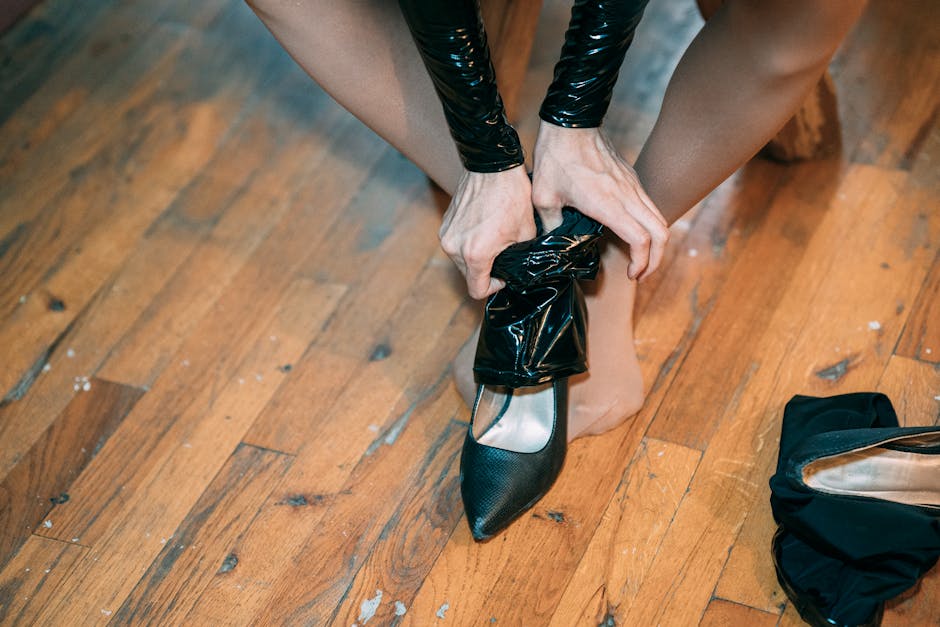
I get asked this constantly by parents and new dancers. On the surface, they look nearly identical. Both usually feature a T-strap or an ankle strap, a leather upper, and a heel ranging from one to three inches. However, the internal architecture is where the magic—or the misery—happens. A standard character shoe is built for musical theater performers who spend a lot of time walking, standing, and doing basic rhythmic movements. The shank usually runs the full length of the sole to provide maximum support. This is great for stability, but it’s a nightmare for jazz dance where floor work and foot articulation are paramount.
Jazz heels often feature a ‘split-sole’ or a significantly more flexible shank. When I’m performing a high-energy routine, I need to be able to go from a flat foot to a full relevé and then into a pointed toe without the shoe resisting me. A high-quality jazz heel uses thinner, more pliable leather and a sole that allows for arch articulation. If you try to do a double pirouette in a stiff character shoe, you’ll likely find the heel dragging or the shoe failing to grip the floor correctly. I’ve seen many dancers struggle with their technique simply because their footwear was fighting their foot’s natural range of motion. Look for shoes labeled specifically for ‘professional’ use or ‘jazz’ if you want that extra flexibility that allows for the “Fosse snap” or intricate floor transitions.
How to Measure for the Perfect Dance Shoe Fit
Sizing dance shoes is an exercise in patience and, occasionally, frustration. Most of the major brands—Capezio, Bloch, So Danca—have their own proprietary sizing scales that rarely align with your street shoe size. In my experience, you can’t just order your usual 8.5 and hope for the best. For example, I typically wear a street size 8, but in some Capezio models, I’m a 9.5, while in Bloch, I might be an 8.5. It’s a mess, but there is a logic to it.
When you put on a jazz heel, it should feel like a second skin. If there is even a quarter-inch of space at the heel or if your toes aren’t reaching the very end of the shoe, you’re going to have stability issues. As the leather warms up and absorbs moisture from your feet, it will stretch. If the shoe is ‘comfortable’ and roomy in the store, it will be a floppy hazard after three weeks of rehearsals. I always recommend wearing the exact type of tights you plan to perform in when you do your fitting. A pair of thick, convertible tights can change your shoe size by half a grade. Also, pay attention to the width. Most jazz heels come in Medium (M) or Wide (W). If you have a high arch, a wider fit might actually give you more room to point without the top of the shoe cutting into your bridge. One pro tip: perform the “Pinch Test.” If you can pinch any excess leather at the heel while standing, the shoe is too big and will likely slip during jumps.
Top Rated Jazz Heels for Stability and Support
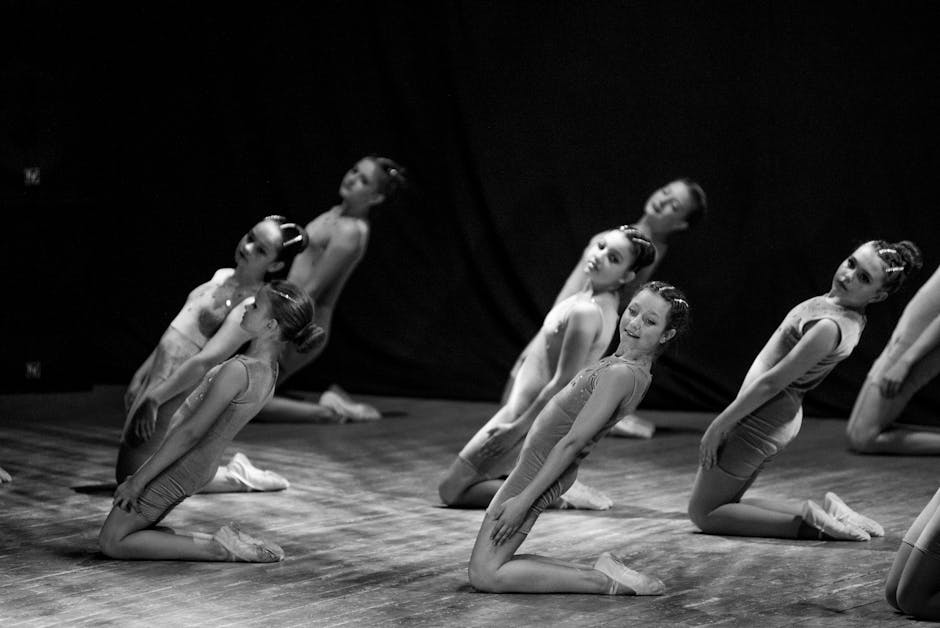
For those just starting out or for dancers who need a reliable workhorse for long rehearsal days, stability is the primary concern. You want a heel that feels planted. I’ve found that a 1.5-inch to 2-inch heel is the ‘sweet spot’ for most people. Anything higher requires significantly more ankle strength to prevent rolling, especially during rapid weight shifts common in jazz choreography.
Capezio 650 Student Footlight
This is the quintessential ‘first’ heel. It’s ubiquitous in studios for a reason. It retails for approximately $55 to $65 and offers a very predictable, stable base. The 1.5-inch heel is wide enough to provide balance during turns but high enough to give that elongated leg line that directors love. The upper is made of a high-quality synthetic leather that is specifically designed not to over-stretch, ensuring the fit stays consistent over months of use.
- Specs: 1.5″ heel, synthetic leather upper, scored leather sole, foam padded footbed.
- Pros: Very affordable, incredibly durable synthetic leather that resists scuffing, and a soft microfiber lining that prevents blisters.
- Cons: The synthetic material doesn’t breathe well, leading to “hot spots” during long sessions, and it doesn’t mold to the foot as nicely as real leather does over time.
Bloch Broadway Lo
Another fantastic entry-level option, the Broadway Lo usually sits around $50 to $60. I’ve found that Bloch tends to have a slightly wider toe box than Capezio, which is a lifesaver if you have a foot shape that feels cramped in narrow designs. The heel is roughly 1.5 inches and features a padded insole that I find much more comfortable for long days on your feet. The buckle is often a “quick-release” style, which is a massive help during fast costume changes backstage.
- Specs: 1.5″ heel, leather upper, cushioned lining, reinforced shank.
- Pros: Excellent cushioning in the ball of the foot and a very secure ankle strap buckle system.
- Cons: The sole is a bit stiffer than I’d like for advanced jazz work, making it feel more like a character shoe than a pure jazz heel.
Advanced Professional Heels for Maximum Foot Articulation
Once you’ve moved past the basics, you’re going to want a shoe that lets you show off your feet. Professional-grade jazz heels are built with better materials and a focus on the ‘line’ of the foot. These shoes are usually made of high-quality goat or calf leather, which is much thinner and more responsive than the synthetic stuff used in student models. They also often feature a more tapered heel for a cleaner aesthetic.
So Danca JZ43
If you have spent any time in a professional theater, you’ve seen these. They retail for about $80 to $95. What sets the JZ43 apart is the incredible flexibility of the arch. It feels almost like a jazz sneaker but looks like a classic heel. This is achieved through a hidden elastic gusset that allows the shoe to hug the arch regardless of how much you are pointing or flexing. I’ve used these for several seasons, and the way they allow you to point through the shoe is unmatched.
- Specs: 2.5″ heel, premium leather upper, elasticized arch, suede sole.
- Pros: Exceptional flexibility, beautiful aesthetic that makes the leg look miles long, and very high-quality leather that breathes well.
- Cons: The leather is thin, so they don’t offer as much protection if someone steps on your foot, and they tend to wear out faster than heavier shoes due to the softness of the materials.
Capezio Manhattan 2.5″ Heel
This is for the dancer who wants height. At $90 to $105, it’s an investment. The 2.5-inch heel is tapered, giving it a very sophisticated, ‘Broadway’ look. Despite the height, the internal bracing is solid, featuring a reinforced heel counter that prevents the foot from wobbling. I’ve found that the Manhattan requires a significant break-in period—expect some sore spots for the first week—but once they are molded to your feet, they are like gloves.
- Specs: 2.5″ contoured heel, full-grain leather upper, leather sole, tele-tone toe tap compatible.
- Pros: Stunning professional look, real leather sole that takes floor wax well, and a very secure T-strap that distributes pressure evenly across the instep.
- Cons: The height can be taxing on the metatarsals, and the break-in period is notoriously difficult compared to softer models.
Technical Comparison: Material Performance and Durability
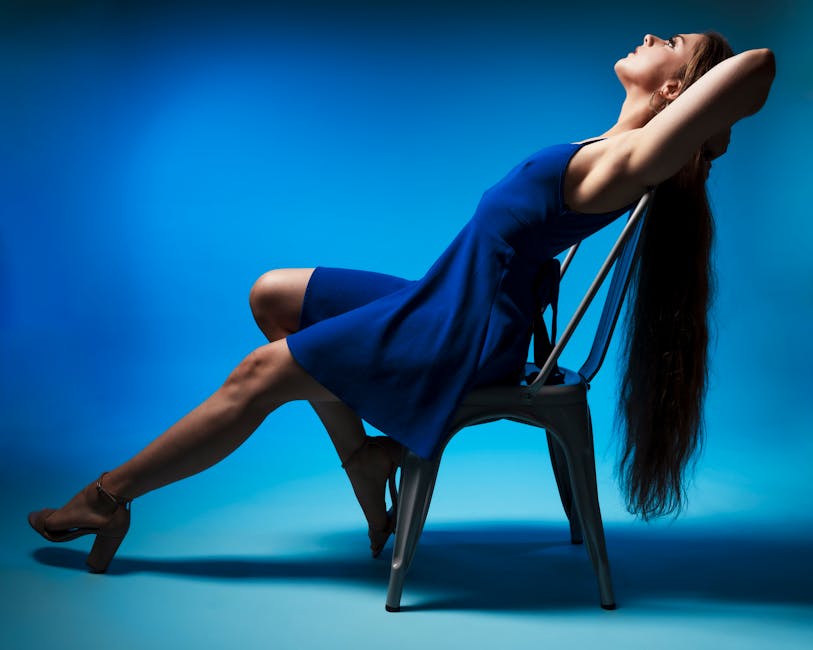
Choosing between leather and synthetic, or suede and smooth soles, isn’t just about price. It’s about the floor you’re dancing on. Most professional jazz heels come with a scored leather sole or a suede ‘chromolether’ sole. Suede provides more grip, which is essential on slippery wood floors. Scored leather is better for Marley (the black vinyl floors found in most studios) because it allows for a controlled slide during turns. Understanding these nuances can prevent injury and improve your overall performance quality.
| Feature | Student Grade (Synthetic) | Professional Grade (Leather) | Best Usage |
|---|---|---|---|
| Average Price | $45 – $65 | $80 – $120 | Budget vs. Performance |
| Breathability | Low (Sweaty feet common) | High (Molds to foot) | Long rehearsal comfort |
| Sole Material | Resin or Rubberized | Scored Leather or Suede | Floor grip and slide |
| Heel Height | Mostly 1.5″ – 2″ | 1.5″ up to 3″ | Visual line vs. Stability |
| Longevity | High (Doesn’t stretch) | Moderate (Stretches) | Replacement frequency |
One thing I’ve learned the hard way: never wear your jazz heels outside. It sounds obvious, but I’ve seen people run to their car in them. The concrete will chew up a suede or leather sole in seconds, and moisture from the ground will ruin the internal shank. If you want your $90 shoes to last, they should only ever touch a dance floor. Even walking through a lobby with grit on the floor can create deep scratches in the leather sole that will later catch on the Marley and cause you to trip.
Color Theory and Aesthetics in Dance Fashion
In the world of professional jazz dance, the color of your shoe is more than a fashion choice; it is a tool for visual manipulation. The goal of a jazz heel is often to create a “continuous line” from the hip to the toe. This is why “nude” or “caramel” shoes are the industry standard. However, “nude” is not a single color. Brands like So Danca have recently expanded their range to include a much wider variety of skin-tone shades, which is a massive step forward for inclusivity in dance fashion.
When selecting a color, consider your tights. If you are wearing black fishnets or black opaque tights, a black shoe is mandatory to avoid “cutting” the line of the leg at the ankle. If you are dancing in bare legs or tan tights, choose a shoe that matches your skin tone as closely as possible. A shoe that is too light or too dark will act as a visual “stop,” drawing the audience’s eyes to your feet rather than the fluidity of your movement. For auditions, always check if the casting call specifies a color; usually, “tan character or jazz heels” is the default requirement for musical theater and jazz calls.
Pro Tips for Keeping Your Heels Stage-Ready
Maintenance is the difference between a shoe that lasts six months and one that lasts two years. Leather jazz heels need to be ‘fed.’ I use a tiny amount of leather conditioner every few months to keep the material from cracking, especially around the toe box where the most flexing happens. If your shoes start to smell—and they will—avoid the temptation to use heavy perfumes or sprays, which can break down the adhesives in the sole. Instead, I use cedar shoe inserts or even just dry tea bags placed inside overnight to absorb the moisture and neutralize odors naturally.
The most common point of failure is the heel tap. These are the little plastic or rubber caps at the bottom of the heel. Once you wear through the plastic and hit the metal nail underneath, you’re going to damage the dance floor and likely slip. I always keep a spare set of ‘heel protectors’ or caps in my dance bag. You can buy these for about $5 to $10, and they simply slide over the heel. They provide extra grip and protect the shoe’s integrity. Also, if you’re using suede soles, get a shoe brush. A small wire brush will help ‘rough up’ the suede when it gets matted down and slick from floor wax and dust. A quick 30-second brush before an audition can give you the traction you need to nail that final turn sequence without ending up on your backside.
A dancer’s relationship with their heels is a love-hate affair. You’ll spend hours breaking them in, cursing the blisters, but the moment you feel that perfect connection between your arch and the floor, you’ll know why the right shoe matters.
Don’t be afraid to experiment with different brands. Every foot is unique. I spent years wearing Capezio because that’s what my teacher told me to buy, only to discover later that So Danca’s narrower heel fit my personal anatomy much better. Take the time to try them on, walk around the store, and do a few calf raises. If it feels ‘off’ in the store, it’s going to be a disaster on stage. Your shoes are your foundation; treat them like the precision tools they are. By investing in the right pair and maintaining them properly, you ensure that your footwear supports your talent rather than hindering it.