Why 2026 is the year we finally stop wearing bricks on our feet
I spent exactly $485 on a pair of Balenciaga Defenders in 2023 and I looked like a toddler wearing cereal boxes. I wore them to a coffee shop in Brooklyn, tripped over a slightly uneven paving stone, and nearly broke my radius because the stack height was basically a platform for a drag queen. It was embarrassing. It was the moment I realized the ‘chunky’ era had reached a point of absolute stupidity.
By 2026, that era is finally, mercifully, dead. We are moving toward what I call the ‘Second Skin’ phase. If your shoe doesn’t look like it could be folded up and put in a pocket, you’re going to look like a fossil. It’s a complete 180. We’re going from 40mm of foam to something that feels like you’re actually touching the ground, which, honestly, is going to ruin a lot of people’s lower backs, but at least we’ll look sleek again.
The ‘Slim-Fast’ movement is actually happening
I’m seeing it everywhere in the early samples and the niche circles. The silhouette for 2026 is thin. I’m talking wrestling shoe thin. Think of the Adidas Taekwondo or those weird Puma speedcats that everyone suddenly started wearing again, but weirder. The tech is moving toward ultra-dense polymers that provide cushion without the bulk.
I tested a prototype pair of ‘ground-feel’ runners last November—tracked them over 140 miles of pavement. The sole was only 8mm thick, but the impact absorption felt better than my old Hoka Bondis which have like three inches of foam. It’s physics. Or magic. I don’t know. What I mean is—actually, let me put it differently. We’ve spent a decade hiding our feet in marshmallows, and now we’re finally letting them be feet again. It’s about time.
I know people will disagree with me on this. They’ll say their knees can’t handle it. Fine. Stay in your moon boots. But the people who actually set the pace are already moving on.
The trend isn’t just ‘minimalism’—it’s high-performance anatomical design that doesn’t look like a medical orthotic.
I’m honestly tired of ‘Sustainable’ sneakers
Here is my risky take: most ‘eco-friendly’ sneakers in 2026 are still total garbage. I said it. Brands like Allbirds paved the way for a lot of boring, floppy shoes that look like something a geography teacher wears on a field trip. Now we have all these mushroom leathers and yeast-grown suedes. I bought a pair of Myco-Tech trainers last year—spent $220 on them. They started smelling like a damp basement after three weeks of light use. Not even joking. The organic fibers literally started breaking down because I live in a humid climate.
I refuse to recommend Veja anymore. I don’t care how many celebrities wear them. The break-in period is an act of structural violence against the human heel. I’ve owned three pairs, thinking ‘maybe this time they won’t bleed,’ and every time, I’m wrong. If a shoe requires six months of pain to be ‘comfortable,’ the design is a failure. Period.
Total lie.
The brands that actually matter (and it’s not Nike)
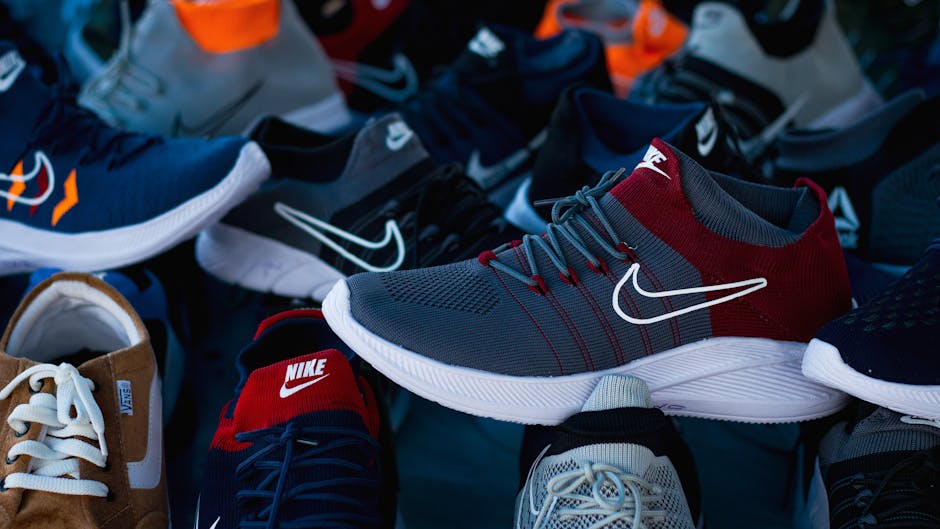
Nike is boring now. There, I said it. They’ve spent too long re-releasing the same three Jordan 1 colorways and wondering why their stock price is wobbling. In 2026, the heat is coming from places like Norda, Satisfy, and On Running (but only their high-end laboratory stuff, not the ones your aunt wears to the grocery store).
- Norda: Their use of Bio-Dyneema is the only real material innovation that matters. It’s 15x stronger than steel but light as a feather.
- Satisfy: They treat sneakers like pieces of brutalist architecture. It’s weird, it’s expensive, and it works.
- ASICS: They are the only ‘legacy’ brand that actually understands how to make a shoe look futuristic without being corny.
Anyway, I digress. The point is that the logo on the side of the shoe matters less than the chemistry inside the midsole. We’re seeing a shift toward ‘functional elitism.’ People want to look like they could run a marathon at a moment’s notice, even if they’re just walking to get a bagel. It’s a specific kind of vanity.
Velcro is coming back and I hate myself for liking it
I used to think velcro was for people who couldn’t tie their shoes or were over the age of 80. I was completely wrong. The 2026 trend is moving toward ‘technical lockdown systems’ which is just a fancy way of saying three-point velcro straps. It looks aggressive. It looks like something a riot cop would wear in a sci-fi movie.
I bought the same $180 Salomon prototype four times because the strap system was so much faster than laces. I don’t care if something better exists. I’m lazy. We’re all lazy. Laces are a 19th-century solution to a 21st-century problem. Plus, have you ever tried to untie wet laces when it’s 30 degrees out and your fingers are numb? It’s hell.
One more thing: the colors are going to get depressing. We’re moving away from the ‘neon everything’ of the early 2020s. Think mud, slate, bruised purple, and ‘industrial grease.’ It’s a mood. It’s a vibe. It’s probably a reflection of the global economy, but I’m not a sociologist, I just like shoes.
I genuinely don’t know if my knees will survive the move back to thin soles. I’m 34 now, and things are starting to click and pop in ways they didn’t when the chunky trend started. But I’d rather have sore joints than look like I’m wearing bricks. Maybe that’s the ultimate sign of a trend—when you’re willing to suffer physically just to not look like a dad from 2018.
Buy something thin. Avoid the mushroom leather. Stop buying Nikes.