How to Style a Slip Dress for Fall and Winter
A slip dress does not belong in storage when temperatures drop. Its slim shape works under chunky layers, tailored coats, and practical boots, but only if you control the proportions. The goal is warmth without hiding the dress entirely.
Why a Slip Dress Works in Cold Weather
The dress already has the right base shape
A slip dress is cut close to the body, which gives you room to add volume on top. That matters in cold weather because bulky sweaters, cardigans, and coats need a clean foundation. A dress with narrow straps and a straight or gently flared skirt creates a long vertical line. That line keeps layers from making you look wider than you are.
The fabric also changes the outfit’s mood. Satin looks polished under a wool coat. Matte jersey feels relaxed with a cardigan. Velvet reads evening-ready even with simple shoes. Pick the fabric first, then build the layers around it.
Warmth comes from the layers, not the dress
Do not expect the dress itself to keep you warm. A thin slip dress offers almost no insulation around the arms, shoulders, or legs. Use a close-fitting base layer under it, then add one substantial piece over it. This creates warmth in stages without forcing you into one enormous coat.
The best cold-weather formula is simple: thin layer underneath, defined waist or clean vertical line in the middle, weatherproof outer layer on top. Keep the hem visible when possible. If the coat covers the entire dress, the outfit loses its point and starts looking like a random skirt under a coat.
Which Layers Look Best Over a Slip Dress?
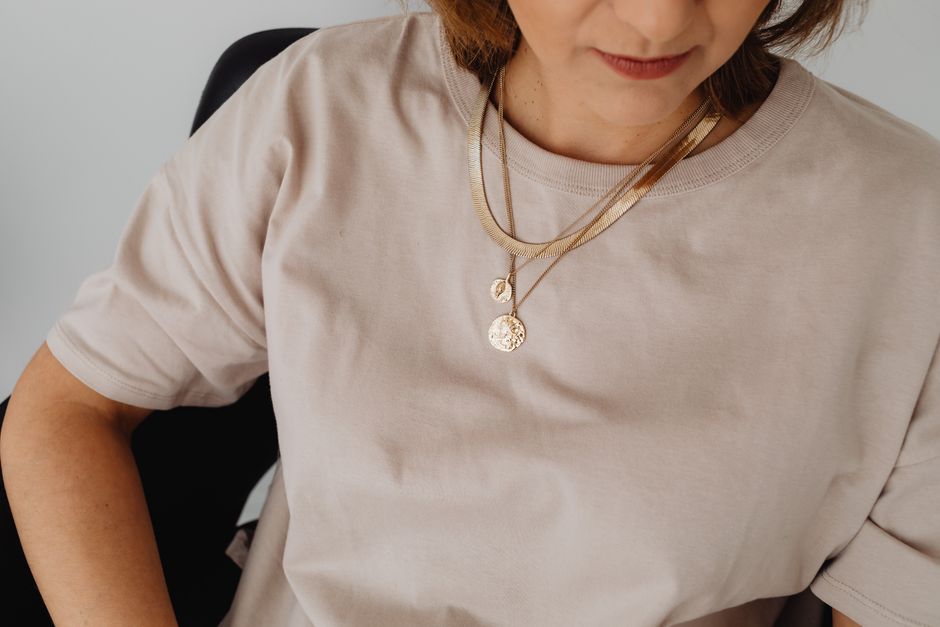
The best layer depends on the dress fabric, the setting, and how much warmth you need. These combinations are the most reliable starting points.
Use this comparison before getting dressed
| Layer combination | Best for | Warmth | Style result |
|---|---|---|---|
| HEATTECH top under a satin dress | Daily wear and commuting | Medium | Clean and practical |
| Merino roll-neck under a jersey dress | Office and daytime events | Medium-high | Polished and sharp |
| Oversized cardigan over a matte slip dress | Casual weekends | Medium | Soft and relaxed |
| Long wool coat over any slip dress | Cold city weather | High | Elegant and streamlined |
| Puffer jacket over a short slip dress | Very cold casual days | High | Sporty contrast |
Specific pieces that earn their place
The Uniqlo HEATTECH Extra Warm crew neck, usually around $30, is thin enough to wear under most dresses without creating obvious bulk. For a sharper outfit, a COS merino wool roll-neck, often around $150, gives a smoother neckline and better office polish. Over the top, the long wool coat is the strongest choice because it covers the body evenly and keeps the dress’s slim shape visible.
For casual contrast, The North Face 1996 Retro Nuptse Jacket, commonly priced near $320, works best with a shorter dress and sturdy boots. The jacket is deliberately rounded, so keep the dress simple and avoid adding another oversized layer underneath.
Follow This Five-Step Slip-Dress Formula
Do not pile on random winter pieces. Build the outfit from the skin out and check the proportions after every layer.
Build the outfit in this order
- Start with a close base layer. Choose a thin long-sleeve top, fine turtleneck, or thermal camisole. It should sit flat at the shoulders and under the arms.
- Put on the dress. Check the hem before adding shoes. A midi dress should finish above the ankle bone or several inches below the widest part of the calf. Awkward mid-calf hems make boots look disconnected.
- Add one shape-changing layer. Choose a cropped cardigan, fitted blazer, vest, or belt. This prevents the outfit from becoming one long, loose column.
- Choose shoes with visual weight. Cold-weather boots balance the delicate straps and shiny fabric. Slim ballet flats usually look too light once heavy coats enter the outfit.
- Finish for the actual weather. Add opaque tights, wool socks, gloves, and a coat based on the forecast. Fashion stops working when you are cold enough to hunch your shoulders.
Check the proportions before leaving
Stand in front of a mirror wearing every layer, including the coat. If the outfit looks heavy, remove one accessory before removing warmth. If it looks too delicate, change the shoes first. A wider boot, stronger belt, or structured bag usually fixes the balance faster than adding more clothing.
Keep the color story tight. Two main colors plus one accent look intentional. Five unrelated shades make layered outfits look accidental, especially when the dress has a satin sheen.
What Usually Goes Wrong With Winter Slip-Dress Outfits?
The common mistakes are easy to spot. Most come from ignoring fabric, proportion, or weather.
Can I wear a sweater over the dress?
Yes, but the sweater needs a clear shape. A cropped knit that ends near the waist works better than a long sweater that stops at the widest part of the hips. If the sweater is long, add a belt or let the dress hem show well below it. The outfit should read as a dress with a layer, not a sweater with a confusing piece underneath.
Why does my slip dress look too summery?
The problem is usually the accessories. Bare ankles, tiny sandals, and a small shoulder bag keep the outfit in warm-weather territory. Replace them with opaque tights, a substantial boot, and a wool or leather bag. Darker colors help, but texture matters more than simply wearing black.
When should I skip the slip dress?
Skip it when the dress cannot accommodate a base layer, the fabric clings badly to tights, or the neckline leaves too much skin exposed for the temperature. Also skip a delicate dress for wet commutes unless you have a proper coat and shoes. A stylish outfit that cannot handle rain, wind, or public transport is not a useful winter outfit.
The Best Cold-Weather Choices by Occasion

For everyday city wear, choose the long wool coat and sturdy ankle boot. That combination gives a satin or jersey slip dress enough structure for commuting, coffee, and dinner without looking overdone.
For the office
The best setup is a black or deep brown midi slip dress, a fitted merino roll-neck, and a tailored blazer. The COS merino wool roll-neck is a strong example because its fine knit stays smooth under a jacket. Add opaque tights and polished leather boots. Avoid a chunky cardigan here; it softens the outfit too much and can make satin look like sleepwear.
For casual weekends
Use a matte jersey dress with the Uniqlo HEATTECH layer underneath, a cropped puffer, and Dr. Martens 1460 Smooth Leather Lace Up Boots, which typically cost about $180 and have the sturdy eight-eye silhouette this outfit needs. The boots add enough weight to stop the dress from looking precious. Keep jewelry minimal.
For dinner or a winter party
Choose velvet or heavier satin, then add a long coat and pointed boots. Vagabond Shoemakers Marja boots, often around $180, give a cleaner line than combat boots and work well with a midi hem. For a short dress, the 1996 Retro Nuptse can work for a casual event, but it is the wrong choice for a formal room. The clear winner for dressed-up winter evenings is the long coat over a simple slip dress.
The category is moving toward smarter layering: lighter thermal fabrics, longer outerwear, and shoes that can handle real streets. That makes the slip dress less of a summer leftover and more of a year-round wardrobe tool.